
The Enduring Power of Human Innovation
A Glimpse into the Evolution of Money
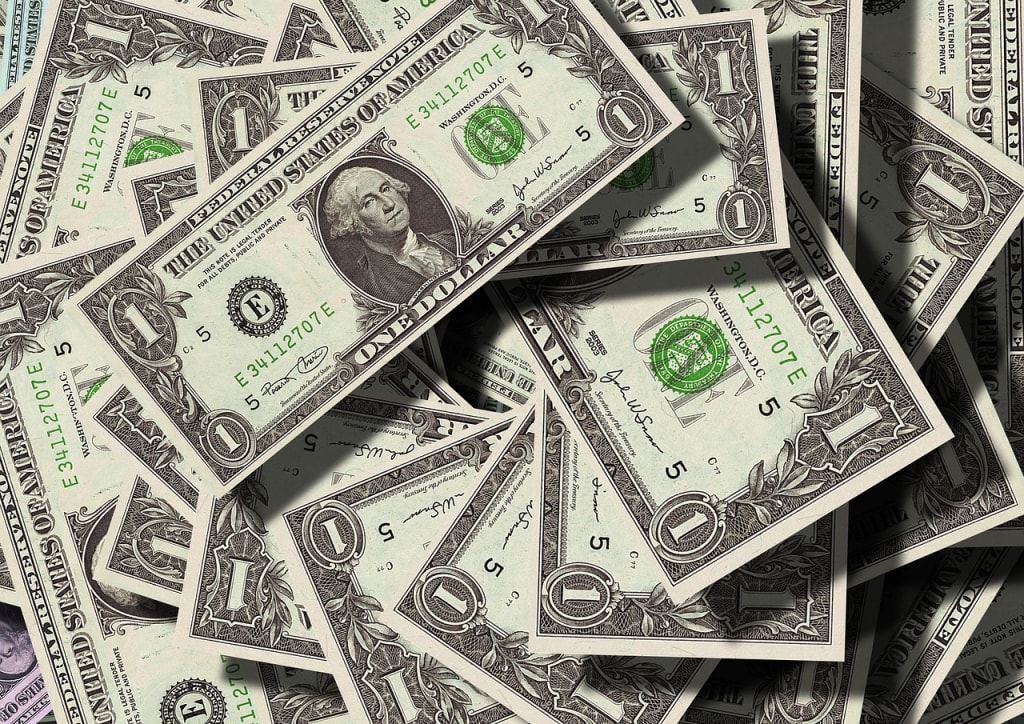
The question of what might be humanity's greatest invention often doesn't get the attention it deserves. It's a topic that can spark captivating discussions with a wide range of potential answers. Some might argue passionately for fire, given its significance in providing warmth, protection, and transforming how we prepare our meals. On the other hand, there are those who champion the wheel, a fundamental innovation that laid the groundwork for trade, commerce, and travel. These are all valid contenders, yet one invention that tends to slip under the radar is money.
Money is a complex and ever-evolving concept that serves as the lifeblood of modern economies and financial systems. At its core, money can be defined as a universally accepted medium of exchange, a unit of account, a store of value, and a standard of deferred payment. Each of these functions is vital in the operation of economic systems and in making trade, commerce, and wealth management more efficient.
The evolution of money through human history is a testament to our adaptability and creativity. Currency, a concept we often take for granted, has transformed from rudimentary barter systems into sophisticated financial structures, reflecting our journey of progress.
In the distant past, before coins and banknotes became the norm, our ancestors engaged in a complex web of barter. Goods and services were directly exchanged, and the value was subjective, which often made transactions challenging. Imagine trading a tent for a pair of shoes, an illustration of the inherent difficulties in barter systems. The perishable nature of some goods further complicated matters, leaving those dealing in seasonal crops at a disadvantage.
This is where commodity money entered the stage, introducing commonly accepted items like salt and weapons as intermediaries of exchange. This innovation brought a degree of standardization to transactions, addressing the inherent asymmetry of direct barter. It marked a significant step towards the monetary system we know today.
The true transformation happened with the introduction of metal coins around 770 BC, particularly in ancient China. These circular tokens held intrinsic value based on the metal they were crafted from, introducing the concept of scarcity as a fundamental principle of money. This notion that scarcity generates value became a cornerstone of economic theory.
However, the full potential of money as an abstract concept became apparent as ruling authorities realized the influence they could wield through currency. The debasement of coins marked the birth of fiat money, where the value of currency became a matter of trust in the issuing entity. IOU certificates further blurred the connection between physical money and its value.
In our modern world, we operate with fiat currency, where governments determine the value of money by decree. Despite its intangible nature, money remains a powerful force that shapes the trajectories of economies and societies.
The significant impact of inflation, resulting from governments creating money seemingly out of thin air, underlines the dynamic nature of modern finance. The delicate balance between providing relief and the risk of sparking inflation during crises was evident in the events of 2020.
The intricate relationship between central banks and the process of money creation highlights the pivotal role they play in shaping our financial landscape. With government debts skyrocketing and the continuous generation of new money, the importance of investing in assets that can outpace inflation is becoming increasingly clear.
As we navigate this ever-changing monetary landscape, one thing remains abundantly clear: money, in itself, is something of an illusion. Its value is derived from the collective trust of society, making it a shared concept and a powerful driver of human endeavors.
In the face of uncertainty and the shifting tides of our economy, it is our understanding of money's true nature that can guide us towards financial resilience and freedom. By seeing through the illusion and strategically embracing assets that appreciate faster than inflation, we set ourselves on a path to safeguard our financial futures.
About the Creator
Keep reading
More stories from Ogbonna David and writers in Art and other communities.
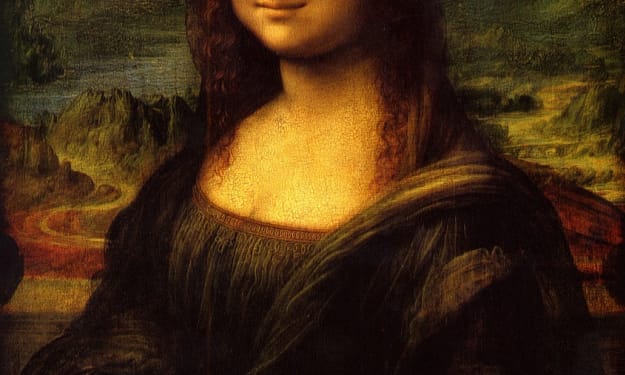
The real reason for Mona Lisa’s insane popularity
As the first rays of sunlight pierced the Parisian skyline on August 21st, 1911, a man named Vincenzo Peruggia carefully lifted a painting from its place on the wall, concealing it under his arm. With the prized artwork in his grasp, he descended the back stairs of the Louvre. Freedom seemed within reach, but then a two-fold dilemma presented itself: the exit was locked, and approaching footsteps threatened to expose him. Clutched tightly under Peruggia's arm was none other than Leonardo da Vinci's masterpiece, the "Mona Lisa." It is arguably the world's most renowned painting today. But how did this iconic status come to be?
By Ogbonna David2 years ago in Art
The River and the Drops
High in the mountains, where no one watched and no one applauded, tiny drops of water slipped from melting snow. Each drop was small, almost invisible, and carried a quiet fear within itself. They began their journey without knowing where they were going, only knowing that they were moving away from where they began.
By Sudais Zakwan8 days ago in Art



Comments
There are no comments for this story
Be the first to respond and start the conversation.