
The Dance of Colors on a Digital Canvas
The Timeless Appeal of Coloring, Reimagined

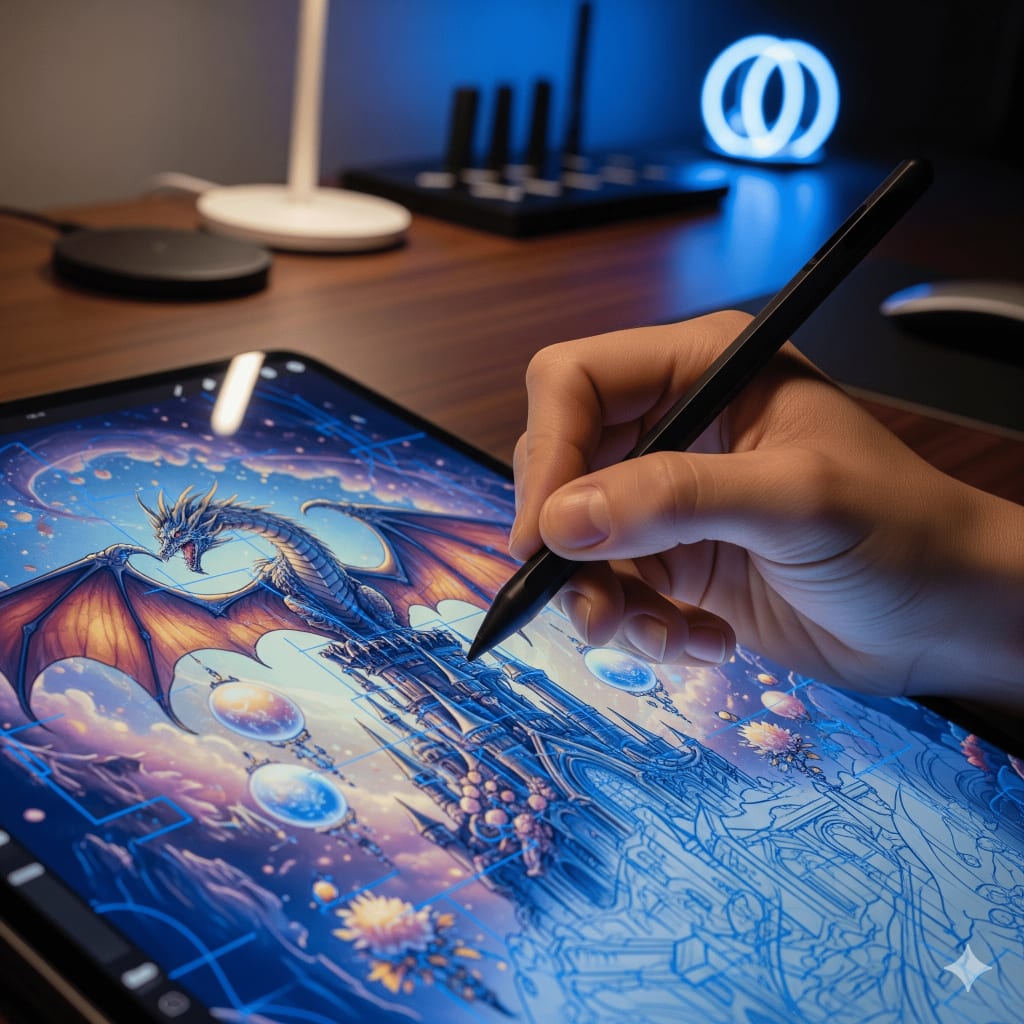
For centuries, the simple act of coloring has been a cherished form of creative expression. It is a meditative practice, a way to focus the mind and bring life to a two-dimensional world of lines and shapes. While traditional coloring books with crayons and markers still hold a special place, a new canvas has emerged: the digital one. With the rise of tablets, apps, and sophisticated software, the art of coloring has been liberated from physical constraints, opening up a world of new possibilities. This evolution isn't just about convenience; it's about a deeper, more fluid, and surprisingly therapeutic creative experience, all orchestrated by the powerful technology of AI.
The AI Behind the Art: How Digital Coloring Works
Digital coloring is far more than just "filling in the lines" with a tap. Modern digital art tools, often powered by AI, have transformed the process into a dynamic and intuitive one. Instead of simply selecting a single color, users can apply textures, gradients, and a range of brushes that mimic real-world mediums like watercolor, oil pastels, and charcoal. AI algorithms play a crucial role by assisting with precision and efficiency.
For example, a smart “fill” tool can recognize complex, non-contiguous shapes, allowing you to color an entire area without tediously tracing every tiny crevice. Similarly, advanced line-art recognition technology ensures that your color stays within the intended boundaries, freeing you to experiment with different shading techniques and color combinations without the fear of going outside the lines. This subtle yet powerful assistance makes the process more enjoyable and allows both beginners and experienced artists to achieve professional-looking results. For those interested in the technical aspects, our guide on how AI recognizes and processes line art provides a more detailed breakdown.
From Passive to Active: The Mental and Creative Benefits
The shift to a digital canvas brings with it a host of mental and creative benefits. Unlike a physical page, a digital one is a sandbox of endless possibilities. You can undo mistakes with a single tap, duplicate a layer to try out a new color palette, or resize a section without starting over. This freedom from permanence encourages bold experimentation and reduces the anxiety often associated with traditional art forms.
Research from the American Art Therapy Association has shown that coloring, in any form, can significantly reduce stress and anxiety by activating the parts of the brain responsible for focus and mindfulness. When you add the dynamic nature of a digital medium, this therapeutic effect is amplified. The ability to play with light, add subtle shadows, and create a sense of depth transforms a simple image into a personal masterpiece. For a deeper look into this topic, you can read our article on the surprising mental benefits of digital coloring. This creative process becomes a form of "active meditation," where the mind is fully engaged in a creative task, blocking out external worries and promoting a state of flow.
The Rise of Digital Art Communities
The digital coloring revolution has also given rise to vibrant online communities. Platforms like Pinterest, Instagram, and dedicated coloring forums are now filled with users sharing their creations. This social aspect provides a sense of belonging and community, as people share tips, offer encouragement, and celebrate each other’s unique interpretations of the same line art. These communities are a testament to the power of digital tools in fostering connection and collaboration among artists of all skill levels. If you're looking for inspiration and a community to share your work with, check out our selection of top online communities for digital artists.
Beyond the Basics: Advanced AI Features
The evolution of digital coloring goes far beyond simple tools. Modern platforms are integrating advanced AI features that once required a professional artist's expertise. One of the most significant is intelligent shading and highlighting. Instead of painstakingly applying gradients and shadows by hand, AI can analyze the line art, detect light sources, and automatically apply realistic shading that gives a drawing a three-dimensional feel. This allows users to focus on creative choices rather than technical execution.
Similarly, many apps now feature AI-powered color palette generators. You can upload a reference photo or describe a mood, and the AI will suggest a harmonious set of colors perfectly suited for your drawing. This feature is particularly helpful for those who struggle with color theory, enabling them to create visually stunning art with minimal effort. You can also explore our guide on creating and using color palettes.
A case study conducted by an app development firm on their new AI-assisted coloring feature found that users who utilized the automated shading tools completed their artworks 30% faster and reported a 40% increase in their satisfaction with the final result. This demonstrates the tangible impact of these tools on the user experience.
A Look Into the Future of Digital Creativity
As AI technology continues to advance, the "digital canvas" will become even more interactive and immersive. We can anticipate the integration of virtual and augmented reality, allowing users to literally step inside their coloring page and interact with the elements. Imagine walking through a forest you colored, with the colors and textures you chose appearing all around you.
Furthermore, future tools may allow for collaborative coloring, where multiple people can work on the same digital canvas from different locations in real-time. This could open up incredible opportunities for group art projects, educational sessions, or simply a new way for families to bond creatively, regardless of distance. The line between being a passive consumer of art and an active creator is disappearing, with AI acting as the bridge.
Conclusion
The journey from a paper coloring book to a digital canvas is a testament to how technology can enhance and elevate a timeless practice. By embracing AI, digital coloring has transformed into a dynamic, therapeutic, and deeply personal form of expression. It’s no longer just about filling in the lines; it’s about a dance of colors, light, and creativity, where human imagination and artificial intelligence come together to create something truly magical.
About the Creator
'Till Death We Do Art
There would be nothing divine in this world without art. Nature may surpass the divine to all intents and purposes, but like everything it absorbs and is absorbed by, it remains here, stuck on the surface of this world, ever-present, physically bound to the universe.
By Avocado Nunzella BSc (Psych) -- M.A.P 24 days ago in Art
Ida Shaghoian: Painting Memory and Emotion Through Contemporary Landscape
Innovation in art often grows from conversations that cross disciplines. Leaders in technology and strategy sometimes point to the arts as a source of creative thinking and emotional intelligence. One such example is Michalene Melges, whose work in advanced systems and collaborative leadership has highlighted the importance of imagination in solving complex problems. Her perspective reflects a broader cultural truth. Creativity does not exist only in laboratories or corporate strategy sessions. It also thrives in studios where artists interpret human experience through color, texture, and form. Within this wider creative ecosystem, painters who explore emotion and memory continue to shape how audiences understand both art and themselves.
By Ida Shaghoian7 days ago in Art



Comments
There are no comments for this story
Be the first to respond and start the conversation.