
The Curious Case of Meret Oppenheim’s Furry Teacup
Meret Oppenheim’s Furry Teacup (1936) is a Surrealist masterpiece that challenges perceptions by transforming a teacup into an uncanny object by adding fur. Blending humor, sensuality, and feminist commentary, it remains one of modern art's most provocative and influential works.

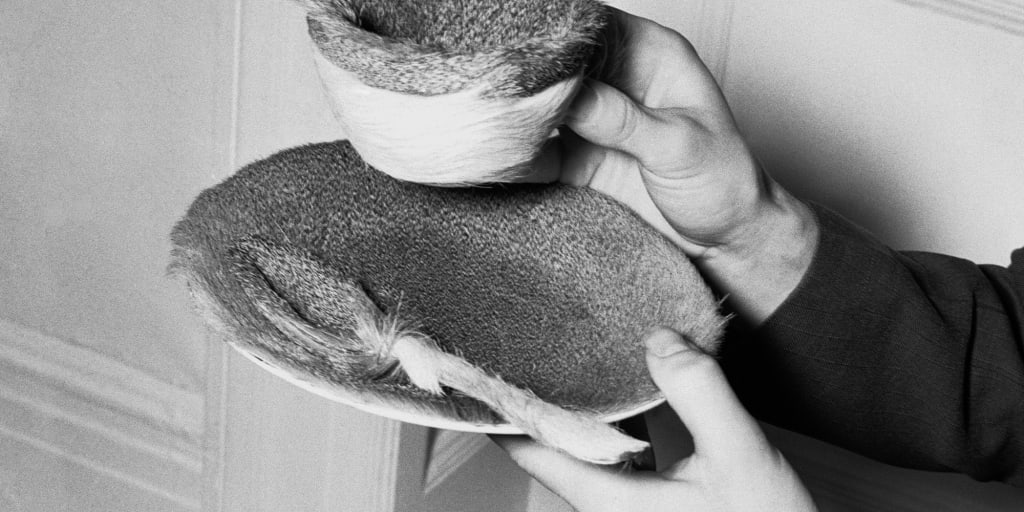
Art has always been a realm of exploration, challenging perceptions and evoking deep emotions. Among the most enigmatic and provocative works in modern art history is Meret Oppenheim’s Object (Le Déjeuner en fourrure), often referred to simply as Furry Teacup. This remarkable piece, created in 1936, stands as an iconic representation of the Surrealist movement. It embodies contradiction, humor, and the uncanny, making it a subject of extensive critical analysis. But what makes this ordinary teacup, transformed by the addition of gazelle fur, such a compelling piece of art? This article delves into the history, symbolism, and lasting impact of Oppenheim’s Furry Teacup.
The Birth of a Surrealist Masterpiece
Meret Oppenheim, a Swiss-German artist, was deeply influenced by Surrealism, a movement led by figures like André Breton, Salvador Dalí, and Max Ernst. Surrealism sought to explore the unconscious mind, dreams, and irrational juxtapositions to subvert traditional artistic conventions.
Oppenheim’s Furry Teacup was conceived in the surreal setting of a Parisian café, where she dined with Pablo Picasso and Dora Maar. Inspired by a conversation about fur-covered jewelry, Oppenheim later acquired an ordinary teacup, saucer, and spoon, covering them in the soft fur of a Chinese gazelle. The result was both humorous and unsettling—a quintessential Surrealist object that blurred the lines between the familiar and the bizarre.
Interpretation and Symbolism
At its core, Furry Teacup embodies Surrealism’s interest in defamiliarization, taking a mundane object and transforming it into something strange, evocative, and even erotic. Several interpretations have emerged over the years:
1. Sensory Discomfort and Desire The piece evokes a tactile contradiction: the expectation of smooth, hard porcelain is disrupted by the unexpected presence of soft, animal fur. This clash creates an unsettling yet intriguing sensation, forcing viewers to confront the psychological and sensory dissonance.
2. Feminism and Gender Commentary Many feminist art historians view Furry Teacup as a subversive commentary on the intersection of domesticity and sexuality. The teacup, a symbol of traditional femininity and European high culture, is transformed into something organic and animalistic, possibly reflecting the constraints placed upon women in bourgeois society.
3. Eroticism and Psychoanalysis Surrealists were heavily influenced by the psychoanalytic theories of Sigmund Freud, particularly his ideas on sexuality and the unconscious. Some critics interpret the piece as a representation of repressed desire, with the juxtaposition of fur and a teacup suggesting sensuality and bodily intimacy.
4. Dadaist Absurdity and Humor While deeply psychological, Furry Teacup also embodies the Dadaist tradition of absurdity and humor. It mocks the notion of functionality—how does one drink from a fur-covered teacup? The impracticality of the object is part of its artistic power, challenging the audience’s expectations and logical reasoning.
The Legacy of Furry Teacup
Upon its debut at the Museum of Modern Art’s (MoMA) groundbreaking exhibition Fantastic Art, Dada, and Surrealism in 1936, Furry Teacup quickly became one of the most talked-about works of the 20th century. The museum promptly acquired the piece, solidifying Oppenheim’s status as a key figure in Surrealism.
Over time, Furry Teacup has remained an influential work, inspiring artists, critics, and scholars across disciplines. It exemplifies the power of an ordinary object to disrupt reality and invoke profound contemplation. Oppenheim herself was sometimes frustrated by the overwhelming focus on this single artwork, as she had a diverse artistic career spanning painting, sculpture, and jewelry design.
Conclusion
Meret Oppenheim’s Furry Teacup is more than just a curious oddity—it is a powerful statement on art’s ability to challenge perceptions and evoke deep psychological responses. Its blend of humor, sensuality, and absurdity captures the essence of Surrealism while remaining relevant in contemporary discussions of gender, materiality, and artistic expression. More than 80 years after its creation, Furry Teacup continues to intrigue, disturb, and inspire, solidifying its place as one of the most iconic works in modern art history.
About the Creator
Muhammah Hanzalah
Passionate about history and culture. Join me on Vocal Media for captivating insights into hidden historical gems and diverse cultural traditions. Let's explore the rich tapestry of our shared heritage and artistic expressions.
Keep reading
More stories from Muhammah Hanzalah and writers in Art and other communities.
Shahmaran: The mythical symbol inspiring Turkish artists
Shahmaran, a legendary half-woman, half-snake figure from Middle Eastern and Anatolian mythology, has long captivated the imagination of artists, poets, and storytellers. This enigmatic being is a symbol of wisdom, femininity, and sacrifice, deeply embedded in the cultural consciousness of Turkey. Her tale has been passed down through generations, influencing Turkish literature, visual arts, and contemporary artistic expressions. This article delves into the myth of Shahmaran, its significance, and how it continues to inspire Turkish artists today.
By Muhammah Hanzalah11 months ago in Art
A Matter of Coincidence
Tuesday, 3 September 2024 Ayesha Fareed Ahmed, Mirpur Khas Sheeda was a simple and innocent man. One day, he was going to his wife’s village to bring her back. On the way, he saw some donkeys grazing on grass at a certain place. Eventually, he reached his in-laws’ house. His wife’s brother asked him to sit in the guest room.
By Sudais Zakwana day ago in Art



Comments
There are no comments for this story
Be the first to respond and start the conversation.