
Shahmaran: The mythical symbol inspiring Turkish artists
Shahmaran, a mythical half-woman, half-snake figure, symbolizes wisdom, sacrifice, and femininity in Turkish folklore. Her legend has inspired Turkish artists across mediums, from traditional textiles and ceramics to modern street art and literature, reflecting her enduring influence on Turkish artistic expression.

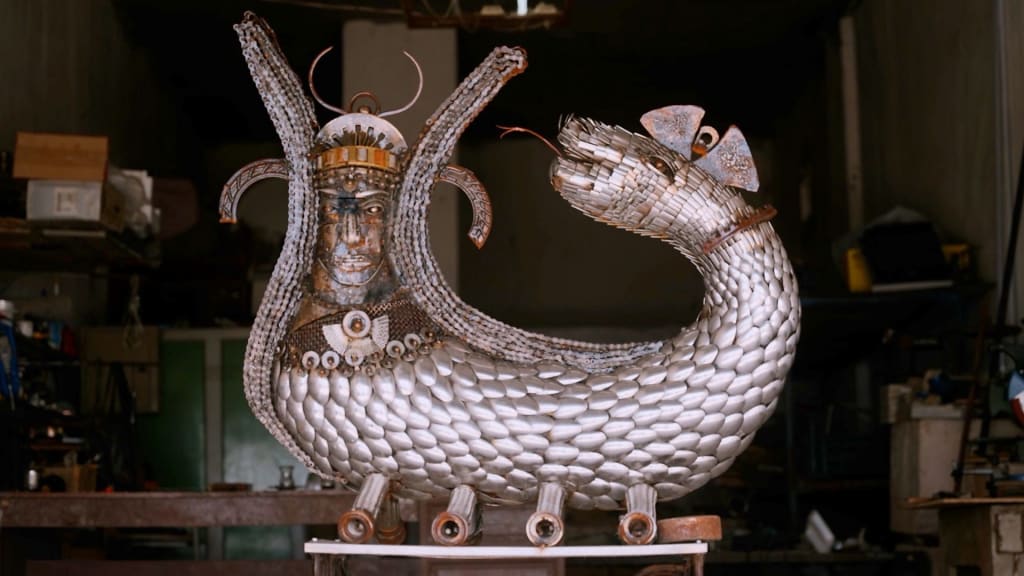
Shahmaran, a legendary half-woman, half-snake figure from Middle Eastern and Anatolian mythology, has long captivated the imagination of artists, poets, and storytellers. This enigmatic being is a symbol of wisdom, femininity, and sacrifice, deeply embedded in the cultural consciousness of Turkey. Her tale has been passed down through generations, influencing Turkish literature, visual arts, and contemporary artistic expressions. This article delves into the myth of Shahmaran, its significance, and how it continues to inspire Turkish artists today.
The Legend of Shahmaran
The Shahmaran myth originates from ancient Mesopotamian and Anatolian traditions, later integrating into Turkish folklore. The story varies across regions, but the central narrative remains consistent: Shahmaran is a benevolent serpent queen who resides in an underground realm, governing a kingdom of snakes with wisdom and justice.
One of the most well-known versions of the legend tells of a young man named Cemşab who accidentally discovers Shahmaran's hidden world. Entranced by her beauty and wisdom, he stays with her for years. Eventually, he returns to the human world but keeps her existence a secret. However, when the king falls gravely ill, Cemşab is forced to reveal Shahmaran’s location, as her flesh is believed to have healing properties. Betrayed, Shahmaran is captured and killed, yet her sacrifice imparts wisdom and healing to humanity.
This story embodies themes of betrayal, sacrifice, and the duality of wisdom and destruction, making it a rich subject for artistic interpretation.
Symbolism of Shahmaran in Turkish Art
The image of Shahmaran carries multiple layers of symbolism, making her an enduring figure in Turkish art. She represents:
• Wisdom and Knowledge: Shahmaran’s profound wisdom is often likened to that of an oracle or prophet, making her an emblem of enlightenment.
• Femininity and Power: As a half-woman, half-snake figure, she embodies both maternal nurturing and potent strength.
• Betrayal and Sacrifice: The tragic element of her legend has inspired themes of lost innocence and sacrifice in various artistic expressions.
Influence on Traditional and Contemporary Art
Traditional Turkish Art
Shahmaran has been a recurring motif in Turkish folk art, particularly in miniature painting, textiles, and ceramics.
• Miniature Art: Ottoman-era miniature paintings frequently depicted mythical and folkloric figures, including Shahmaran, as part of a broader visual storytelling tradition.
• Textiles and Embroidery: In southeastern Anatolia, Shahmaran is often featured in traditional kilims and tapestries, symbolizing protection and wisdom.
• Ceramics and Tiles: Turkish pottery, influenced by Seljuk and Ottoman styles, has used Shahmaran’s image as a decorative and symbolic motif.
Contemporary Turkish Art
Modern Turkish artists continue to draw inspiration from Shahmaran, using her story as a metaphor for contemporary issues such as gender, identity, and social justice.
• Painting and Sculpture: Many contemporary painters and sculptors reinterpret Shahmaran’s form to explore themes of femininity, power, and transformation.
• Street Art and Murals: Urban artists in cities like Istanbul and Diyarbakır have incorporated Shahmaran into graffiti and mural projects, merging folklore with modern social commentary.
• Cinema and Literature: Turkish filmmakers and writers often weave elements of the Shahmaran myth into their narratives, using her as a symbol of resilience and hidden wisdom.
Shahmaran in Popular Culture
Beyond fine arts, Shahmaran has permeated Turkish popular culture, appearing in music, poetry, and even tattoo designs. Some musicians have referenced her in their lyrics, associating her with themes of love and fate. Writers and poets continue to use her story as a metaphor for human struggles and the search for deeper meaning in life.
Conclusion
Shahmaran remains one of the most compelling mythological figures in Turkish culture. Her legend, rich in symbolism and emotional depth, continues to inspire Turkish artists across various mediums. Whether in traditional handicrafts or contemporary visual arts, Shahmaran's presence endures, reflecting the timeless allure of myth and its ability to shape artistic expression. Her story, both tragic and powerful, resonates as a reminder of wisdom, sacrifice, and the enduring strength of femininity.
About the Creator
Muhammah Hanzalah
Passionate about history and culture. Join me on Vocal Media for captivating insights into hidden historical gems and diverse cultural traditions. Let's explore the rich tapestry of our shared heritage and artistic expressions.
Keep reading
More stories from Muhammah Hanzalah and writers in Art and other communities.
Is This London’s Best-Kept Cultural Secret? A Royal Palace-Turned Parking Lot is Reinventing Itself Again
London, a city steeped in history and grandeur, has countless cultural treasures hidden in plain sight. One such enigma is a forgotten royal palace that was once the heart of aristocratic life, later transformed into an unassuming parking lot, and is now on the brink of a new artistic rebirth. This remarkable site, which has silently witnessed the shifting tides of history, is now poised to re-enter the cultural consciousness of Londoners and visitors alike.
By Muhammah Hanzalah11 months ago in Art
How Tattoo Parlours in Cape Town Help Clients Feel Comfortable and Informed
Walking into a tattoo parlour in cape town for the first time can feel strange. You are trusting someone with your skin, your story, and a design you might wear for life. It is normal to feel excited and scared at the same time.
By Tools of Trade Studiosa day ago in Art
What Voice Cloning Technology Means for Creators and Digital Identity
The rise of artificial intelligence has reshaped the creative landscape in countless ways, from AI-generated visual art to automated music composition, and one of the most intriguing frontiers today is voice cloning. With tools that let users clone your voice using only a short sample of speech, creators and digital communicators are discovering new ways to produce audio content that feels natural and expressive.
By aliyashahzadi6 days ago in Art


Comments
There are no comments for this story
Be the first to respond and start the conversation.