
The Conspiracy of Left-Handed Scissors
A Sinister Cut Through a Right-Handed World

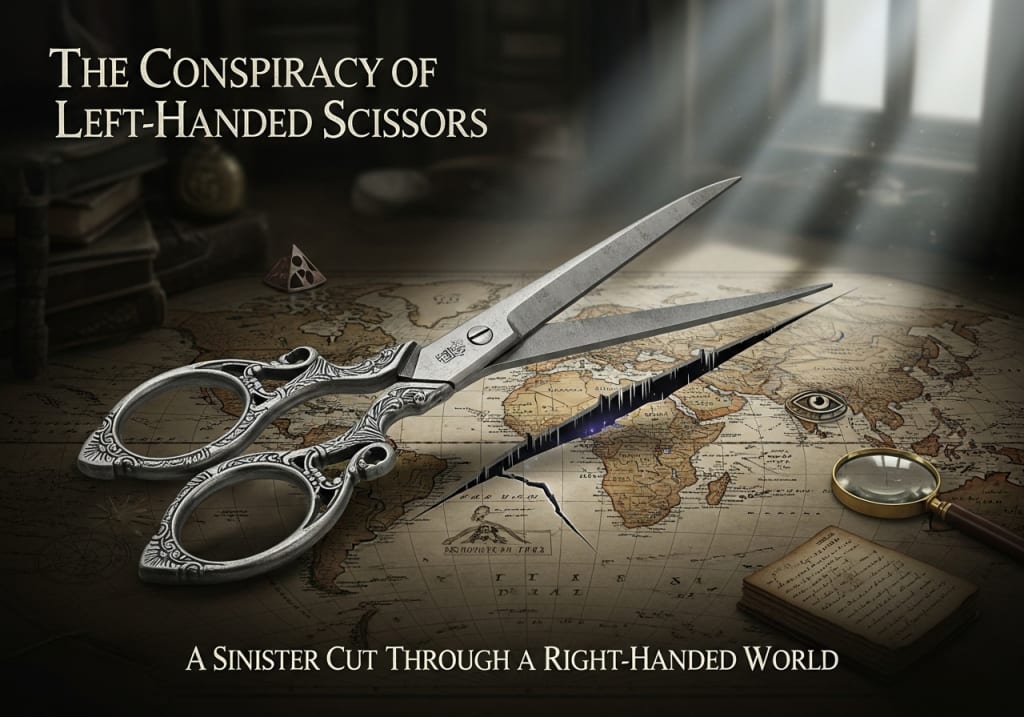
In a world meticulously crafted for the right-handed majority, left-handers face a subtle yet persistent conspiracy: the systemic bias embedded in everyday tools, most notably the elusive left-handed scissors. This essay delves into the historical, cultural, psychological, and practical dimensions of this overlooked struggle, revealing how a seemingly trivial object like scissors can symbolize a broader exclusion woven into the fabric of society.
Approximately 10-12% of the global population is left-handed, a minority significant enough to warrant consideration but often ignored in design. Standard scissors, with blades and handles contoured for right-hand use, are a daily source of frustration for left-handers. When gripped in the left hand, the blades misalign, producing jagged cuts, torn paper, or outright failure. The handles dig uncomfortably into fingers, forcing awkward grips or even hand-switching. This isn’t just inconvenience; it’s a tangible reminder of a world that assumes right-handedness as the default, marginalizing those who deviate.
Historically, left-handedness has carried a stigma that amplifies this design bias. In medieval Europe, left-handers were sometimes linked to witchcraft or devilry, their “sinister” hands viewed with suspicion. The Latin word sinister, meaning “left,” cemented this negative connotation. While such extreme prejudices have largely faded, their echoes persist in language and design. The Industrial Revolution, prioritizing mass production, standardized tools for right-handers to maximize efficiency and profit. Left-handed scissors, when produced, were often an afterthought, relegated to specialty markets or sold at a premium. This scarcity feels conspiratorial, as if manufacturers silently agreed to prioritize the majority, leaving left-handers to fend for themselves or pay a hidden tax for their difference.
Culturally, the bias is perpetuated through education and social norms. Schools rarely stock left-handed scissors, forcing children to struggle with ill-fitting tools or adapt to right-handed ones. A 2013 study from the University of London suggested that left-handers may face minor developmental challenges due to such environmental mismatches, potentially affecting fine motor skills or self-esteem. Teachers, often unaware of these struggles, may inadvertently reinforce the idea that left-handedness is a problem to be overcome rather than accommodated. Online communities, like those on Reddit, brim with stories of left-handers hoarding rare left-handed scissors or mastering right-handed ones through sheer grit, highlighting a resilience born of necessity.
Practically, the conspiracy manifests in daily frustrations. Left-handers report discomfort, blisters, or abandoning tasks requiring precise cutting, from crafting to professional tailoring. Companies like Fiskars or Lefty’s offer left-handed models, but their limited availability—often only online or in specialty stores—underscores the neglect. The market could easily cater to left-handers; 10% of the population is no small niche. Yet the inertia of right-handed design persists, as if an unspoken agreement prioritizes the majority’s ease over inclusivity. This extends beyond scissors to other tools—pens, keyboards, even door handles—creating a cumulative burden for left-handers navigating a right-handed world.
Psychologically, this constant adaptation takes a toll. Left-handers often internalize the need to conform, suppressing their natural handedness to avoid hassle. This mirrors broader societal dynamics, where minorities must navigate systems not built for them, whether based on race, gender, or disability. The conspiracy of left-handed scissors isn’t a shadowy cabal but a collective oversight—a failure to prioritize inclusivity. Solutions exist: ambidextrous designs, increased production of left-handed tools, or simply stocking them in schools and workplaces. Yet change requires acknowledging the issue, and too often, the right-handed majority cuts away the conversation.
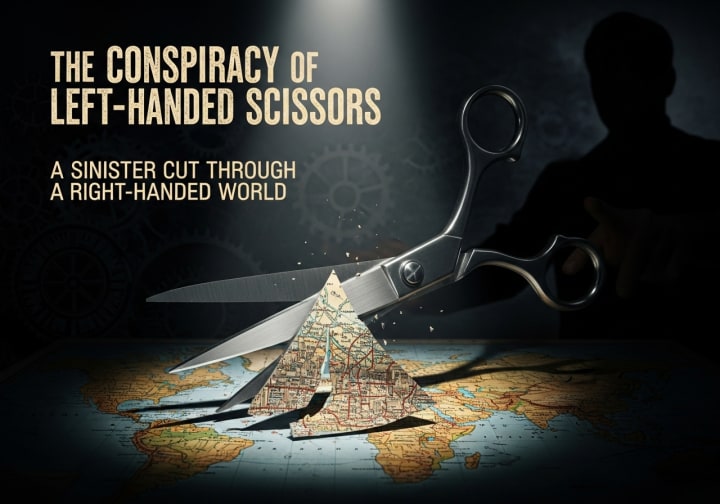
In conclusion, the conspiracy of left-handed scissors reflects a world that defaults to the majority, overlooking the needs of a significant minority. Left-handers deserve tools that fit their hands, not just their resilience. By addressing this small but symbolic issue, society can move toward inclusivity conspiracy.
About the Creator
nahida ahmed
I am Nahida Ahmed, a specialist in artificial intelligence and marketing digital products via social media and websites. Welcome.
Keep reading
More stories from nahida ahmed and writers in Art and other communities.
Time-Traveling Through Breakfast Cereals
Imagine stepping into a time machine, bowl and spoon in hand, ready to explore the evolution of breakfast cereals. From humble beginnings to sugary extravaganzas and health-conscious comebacks, cereal has shaped morning routines for over a century. This 600-word journey traces the milestones of this pantry staple, revealing how it mirrors cultural shifts and culinary trends.
By nahida ahmed7 months ago in Art
'Till Death We Do Art
There would be nothing divine in this world without art. Nature may surpass the divine to all intents and purposes, but like everything it absorbs and is absorbed by, it remains here, stuck on the surface of this world, ever-present, physically bound to the universe.
By Avocado Nunzella BSc (Psych) -- M.A.P 24 days ago in Art




Comments
There are no comments for this story
Be the first to respond and start the conversation.