
The Charm of Nautical Clocks and Compasses in Maritime Collectibles
The Charm of Nautical Clocks and Compasses in Maritime Collectibles
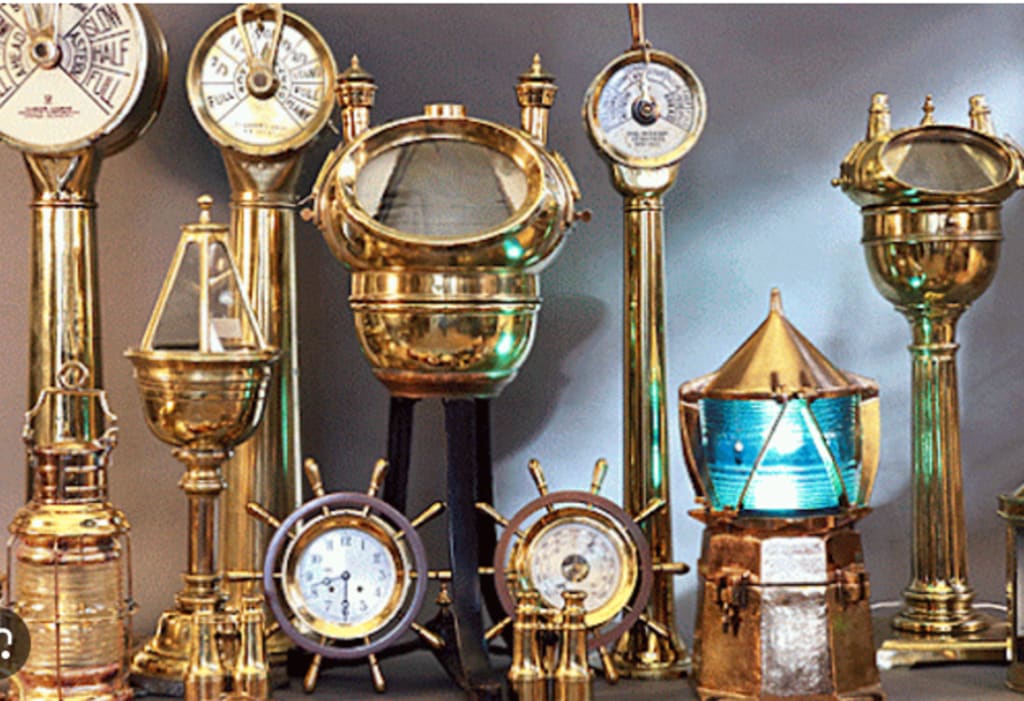
Maritime collectibles transport enthusiasts and collectors alike into the mesmerizing world of seafaring adventures. Among the treasures that captivate hearts, nautical clocks and compasses stand out for their beauty, utility, and historical significance. These instruments embody the ingenuity and craftsmanship of an era when navigation relied on precision tools and daring exploration. In this article, we will explore the allure of nautical clocks and compasses, their role in maritime history, and why they remain cherished collectibles today.
The Role of Nautical Instruments in Maritime History
Before the advent of modern GPS systems, seafarers relied on instruments like clocks and compasses to guide them across vast, uncharted waters. The 18th and 19th centuries marked significant advancements in these tools. Marine chronometers, for instance, were critical for determining longitude at sea. Invented by John Harrison in the 18th century, these timepieces revolutionized navigation, enabling accurate timekeeping despite the challenges of a rocking ship and varying temperatures.
Similarly, compasses became indispensable in maritime navigation, ensuring that sailors could maintain their course even in adverse weather. The magnetic compass, first used by the Chinese in the 11th century, became a staple on European ships by the 14th century. By the Age of Discovery, these instruments were central to voyages that mapped new territories and established global trade routes.
Today, these tools are more than functional artifacts—they are symbols of humanity's ingenuity and courage in conquering the seas.
Did You Know?
The marine chronometer helped solve the "longitude problem," which plagued sailors for centuries. Before its invention, ships often missed their destinations by hundreds of miles, leading to disastrous consequences.
The Aesthetic Appeal of Nautical Clocks
Nautical clocks are not just timekeeping devices; they are works of art. Their designs often feature intricate brass or copper casings, engraved dials, and motifs that echo the elegance of vintage seafaring vessels. Many collectors prize these clocks for their craftsmanship and historical value.
For example, a Chelsea Ship's Bell clock, renowned for its precision and distinctive chime, can fetch anywhere between $1,000 and $5,000 in the collectibles market. Similarly, vintage marine chronometers crafted by makers like Hamilton or Smiths have become coveted items, with prices soaring depending on their condition and provenance.
Statistics Speak: The global market for nautical antiques, including clocks, is projected to grow by 6% annually, with collectors in Europe and the United States driving demand.
Tips for Collectors
When purchasing a nautical clock, examine its mechanism, provenance, and condition. Authenticity is key, as reproductions are abundant in the market. Look for markings from renowned makers and seek expert appraisals when in doubt.
Compasses: A Portal to Exploration
The allure of nautical compasses lies in their simplicity and history. These instruments, often encased in brass or wood, are adorned with elegant rose designs that make them as visually appealing as they are functional. Collectors often seek vintage compasses from the 19th and early 20th centuries, as these pieces represent a time when maritime exploration was at its zenith.
One fascinating type is the dry card compass, a 19th-century innovation that replaced earlier liquid-filled versions. These compasses were robust, designed to withstand the harsh conditions at sea, and were a staple on warships and merchant vessels alike.
Fun Fact
The compass rose, a decorative design used on compass dials, dates back to the 14th century. Its primary function was to indicate the cardinal directions and embellish the instrument with a touch of artistry.
Modern-Day Popularity of Nautical Collectibles
In an era dominated by digital technology, the tactile and historical charm of nautical clocks and compasses has captured the imagination of collectors and decorators alike. Interior designers often incorporate these artifacts into nautical-themed spaces, blending them with ship wheels, maps, and model ships to create captivating displays.
Moreover, these instruments hold sentimental value for many. They serve as reminders of a time when the open sea symbolized both opportunity and danger. Owning a nautical clock or compass is akin to owning a piece of history- a tangible connection to the golden age of exploration.
Market Insight: A recent survey of maritime collectibles enthusiasts found that 62% of respondents considered nautical clocks and compasses their favorite items due to their historical significance and aesthetic appeal.
Caring for Nautical Clocks and Compasses
Preserving the beauty and functionality of these collectibles requires proper care. Clocks, for instance, should be kept in a stable environment to prevent rust and damage to their delicate mechanisms. Regular cleaning and oiling by a professional are essential to maintain their precision.
For compasses, avoid exposing them to strong magnetic fields, which can distort their readings. If you own a liquid-filled compass, ensure that it is free from leaks and store it upright to prevent evaporation.
Quick Maintenance Tips
- • For clocks: Wipe the exterior with a soft cloth and use specialized cleaners for brass or copper parts.
- • For compasses: Keep them in a protective case when not in use to prevent scratches.
Why They’re Worth Collecting
Nautical clocks and compasses offer more than just aesthetic and historical value- they are investments. Over the past decade, the value of well-preserved maritime instruments has steadily increased, with rare pieces fetching record prices at auctions. For instance, a 19th-century marine chronometer by Thomas Earnshaw was recently sold for over $50,000 at Sotheby's.
Collectible Appeal
- 1. Historical Connection: Each piece tells a story of maritime exploration and innovation.
- 2. Aesthetic Beauty: Their intricate designs add a touch of vintage elegance to any collection.
- 3. Increasing Value: As demand grows, so does their worth in the market.
Conclusion
The charm of nautical clocks and compasses lies in their ability to evoke the romance and adventure of maritime history. Whether displayed as a centerpiece in a collector's home or used to complement a nautical-themed décor, these instruments hold a timeless appeal. As investments, decorative pieces, or historical artifacts, they remain enduring symbols of humanity’s journey across the vast oceans.
So, whether you’re an avid collector or simply someone enchanted by the stories of the sea, adding a nautical clock or compass to your collection could be your next great adventure.
Explore Maritime Antiques on TrueGether
For collectors and enthusiasts looking to dive into the world of maritime collectibles, TrueGether, the best eBay alternative, offers an extensive range of Maritime Antiques to suit every interest and budget. With prices starting at just $33.25, TrueGether features a diverse product range, including Maritime Navigational Charts, Compasses, Portholes, Folk Art, and much more. Whether you’re seeking authentic navigational tools like vintage compasses or decorative pieces such as maritime lamps and fishing nets, TrueGether is a treasure trove of unique finds.
The platform’s Shop by Category feature makes browsing a breeze, allowing you to explore segments like Fishing Nets & Floats, Maritime Portholes & Hatches, Maritime Compasses, and Maritime Lamps & Lighting. Each item reflects the charm of seafaring history, offering a chance to own a piece of nautical heritage. Whether you’re curating a collection or decorating a nautical-themed space, TrueGether provides a reliable and affordable marketplace to fulfill your maritime dreams.
About the Creator
Keep reading
More stories from Shahla Khan and writers in Art and other communities.
How to Style Vintage Earrings for Every Occasion: From Casual to Glamorous
Vintage earrings have an undeniable charm that transcends fleeting fashion trends. Whether you're attending a casual brunch, a formal gala, or anything in between, the right pair of vintage earrings can elevate your outfit with a touch of timeless elegance. With their intricate designs and rich history, vintage earrings offer endless styling possibilities. Here's how to incorporate these stunning accessories into your wardrobe for every occasion.
By Shahla Khanabout a year ago in Art
Valentino Garavani
In the golden age of couture, when fashion was less about speed and more about soul, one name quietly rose to become synonymous with timeless elegance: Valentino Garavani. To speak of Valentino is to speak of romance, discipline, beauty, and a lifelong devotion to the art of dressing the world’s most admired women.
By S.A Charlesabout 6 hours ago in Art




Comments
There are no comments for this story
Be the first to respond and start the conversation.