
The Arts of Sigiriya: A Marvel of Sri Lankan Heritage
Exploring the Timeless Beauty and Symbolism of Sigiriya's Ancient Art
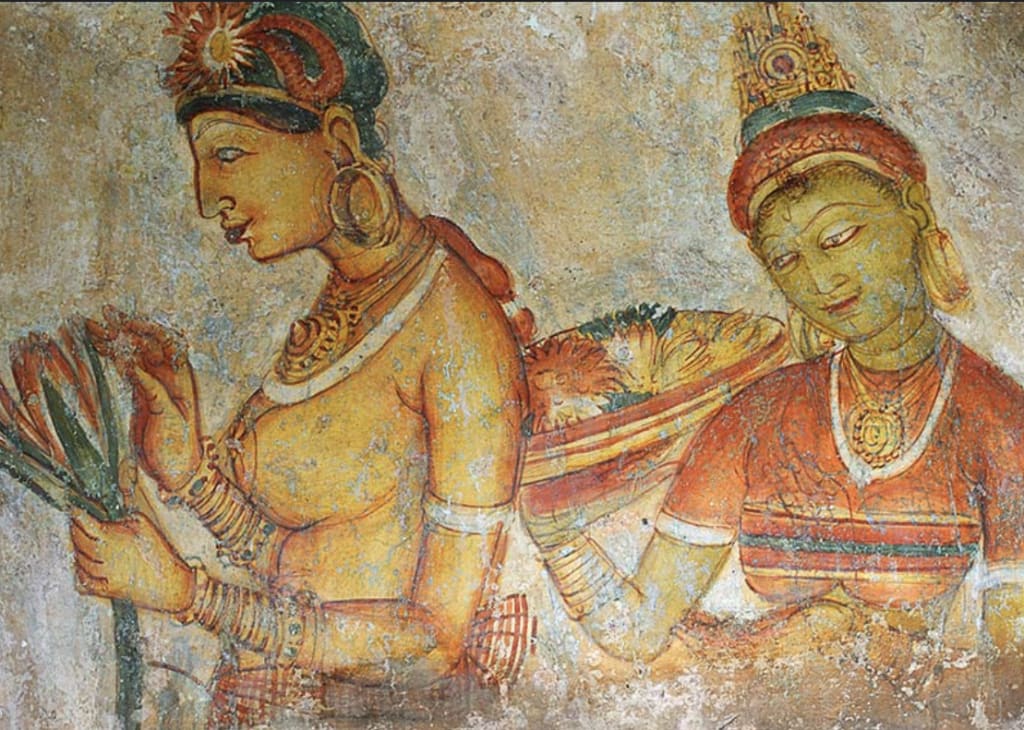
Sigiriya, an ancient rock fortress located in the central part of Sri Lanka, is one of the country’s most iconic landmarks and a UNESCO World Heritage site. Known as the "Lion's Rock," Sigiriya not only stands as a historical and architectural wonder but also as a showcase of ancient Sri Lankan art and culture. The arts of Sigiriya—ranging from murals to intricate stonework—offer a glimpse into the creativity, craftsmanship, and spiritual significance of the era in which it was built.
1. The Sigiriya Rock Fortress: Sigiriya's history dates back to the 5th century AD when King Kasyapa, in a bid to escape his enemies, turned the rock into a royal citadel. The site consists of impressive fortifications, water gardens, and temples, with the crowning glory being the giant lion's head carved into the rock at the entrance. The grandeur of Sigiriya lies not only in its architectural achievements but also in the artistic elements that embellish the site.
2. The Sigiriya Frescoes: One of the most celebrated aspects of Sigiriya is its frescoes, which adorn the rock’s western face. These vibrant and detailed murals, believed to have been created during King Kasyapa’s reign, are thought to depict celestial maidens or "apsaras" from Buddhist mythology. The frescoes are renowned for their beauty, fluidity, and rich color palette, which have managed to survive centuries of exposure to the elements.
The paintings portray women in graceful poses, often with elaborate jewelry and colorful robes. These figures, surrounded by a stunning natural landscape, seem to capture an otherworldly elegance. The murals are not just remarkable in their artistic style but also provide insights into the cultural and religious influences of the time.
3. The Mirror Wall: Another iconic feature of Sigiriya is the Mirror Wall, so named for its once-polished surface that reflected the images of visitors. This wall runs along the path leading to the summit of the rock and is adorned with inscriptions, some dating back to the 8th century. The wall contains poems, written in ancient Sinhala, praising the beauty of the Sigiriya women depicted in the frescoes. The Mirror Wall, with its blend of art and literature, stands as a testament to the intellectual and artistic achievements of the time.
4. The Lion's Paw: At the base of the Sigiriya rock lies the famous Lion's Paw, which marks the entrance to the final ascent. The paws are carved into massive stone, creating the illusion of a lion’s claws, and are part of the symbolic significance of the site. The lion, often associated with power and protection, is a recurring motif in the art and architecture of Sigiriya. As one approaches the summit, the presence of the lion’s remains seems to symbolize the grandeur and might of the ancient kingdom.
5. The Water Gardens and Landscape Art: The Sigiriya site also includes beautifully designed water gardens, which incorporate art in their symmetry and layout. These gardens, considered some of the earliest in the world, are an exemplary blend of nature and human creativity. The geometric patterns and water features represent an important aspect of Sri Lankan garden art, demonstrating the sophisticated engineering and aesthetic sensibilities of the time.
6. Symbolism and Cultural Significance: The art at Sigiriya is deeply embedded in symbolism. The frescoes, the lion carvings, and even the water gardens carry religious and philosophical meanings, especially reflecting the Buddhist and Hindu beliefs prevalent during the time. The design and artwork were likely intended to represent themes of divine kingship, the afterlife, and the harmony between humanity and nature.
Conclusion: Sigiriya’s art is not only an aesthetic achievement but also an expression of Sri Lanka’s rich cultural and spiritual history. The murals, carvings, and architectural designs at Sigiriya reflect the vision and artistic brilliance of ancient Sri Lankan civilization. Today, Sigiriya remains a testament to the country’s heritage, where art and history come together to offer a captivating glimpse into the past.
About the Creator
Keep reading
More stories from vidun Arambage and writers in Art and other communities.
The Ted Bundy Crime Story
Ted Bundy is one of the most infamous serial killers in American history, a man whose crimes shocked the world and still capture the public's fascination. His story is marked by chilling deceit, manipulation, and a brutal series of murders that spanned across several states in the 1970s. Bundy’s crimes, his ability to blend into society, and his eventual capture and execution left an indelible mark on true crime history.
By vidun Arambage12 months ago in Criminal
Impressive Artwork by Odilon Redon
French symbolist artist Odilon Redon was famous for his drawings in the 1880s. The artist’s artworks were mentioned in the popular 1884 novel “A Rebours,” or “Against the Grain,” by Joris-Karl Hysmans. His later artworks were created in oils and pastels. He developed an interest in Hinduism and Buddhism, and this interest in mysticism is reflected in his works of art.
By Rasma Raisters6 days ago in Art
What Is A5 Service on Mercedes and When Do You Need It?
If you’re a Mercedes‑Benz owner, you’ve likely seen a maintenance message pop up on your dashboard — perhaps showing something like “Service A5 due”. But what exactly is a5 service on Mercedes, why it matters, what it includes, and how much it costs? This complete, easy‑to‑understand guide answers all those questions so you can keep your luxury vehicle running smoothly and avoid costly repairs down the road.
By Vincent Otiri7 days ago in Art
Wild Card Weekend Recap: What Happens Now?
I think I figured out why I love Wild Card Weekend so much. It's because it's the first playoff anything of the calendar year. The NFL season starts in the fall, and once upon a time, the champion was crowned either on or slightly before New Year's. The evolution of the NFL schedule has resulted in the playoffs starting just into the New Year, and currently, the final week of the season falls on the first weekend of the New Year, with Wild Card Weekend coming a week after that. So yes, chronologically, the NFL's Wild Card Weekend serves as the first playoff anything of the calendar year.
By Clyde E. Dawkins6 days ago in Unbalanced




Comments
There are no comments for this story
Be the first to respond and start the conversation.