
The Art of Memes
How Internet Culture Influences Pop Culture

In the age of the internet, memes have become an integral part of pop culture. These humorous and often viral images, videos, or texts spread rapidly across social media platforms, capturing the attention and imagination of millions. This article explores the art of memes and how internet culture has influenced and shaped broader pop culture trends.
The Evolution of Memes:
Memes have a rich history, starting from their humble beginnings as simple images with clever captions. The term "meme" itself was coined by Richard Dawkins in 1976, referring to the spread of ideas and behaviors within a culture. However, it was the rise of the internet and the emergence of social media platforms that accelerated the evolution and widespread popularity of memes.
In the early 2000s, platforms like 4chan and Reddit became hotbeds for meme creation and sharing. Memes began to take various forms, including image macros (images overlaid with humorous text), reaction gifs, and video remixes. With the advent of platforms like Twitter, Facebook, and Instagram, memes gained even more visibility and virality, reaching broader audiences and impacting pop culture on a larger scale.
The Power of Internet Culture:
Internet culture has played a pivotal role in the creation and dissemination of memes. It thrives on the rapid sharing of content, collaboration, and the remixing of ideas. Memes are often built upon the collective participation of internet users, who add their own creative twists and interpretations to existing memes or create entirely new ones.
The viral nature of memes is deeply ingrained in internet culture. Memes spread like wildfire, driven by a desire to be a part of the conversation and to create a sense of shared understanding and humor within online communities. Memes provide a means for people to connect, communicate, and express themselves in a way that transcends traditional language barriers and cultural differences.
Memes as Social Commentary and Satire:
Beyond their humorous nature, memes often serve as a vehicle for social commentary and satire. Memes have the power to capture a cultural moment, encapsulating shared experiences, trends, and societal phenomena. They can be used to critique political figures, comment on social issues, or challenge popular beliefs, all while maintaining a lighthearted and relatable tone.
Memes are particularly effective in holding public figures and institutions accountable. Political memes, for instance, have become a popular form of political satire, allowing individuals to express their dissent, raise awareness, or spark meaningful conversations about important issues. The viral nature of memes ensures that these messages reach a wide audience, amplifying their impact and potentially influencing public opinion.
Memes as Marketing and Advertising Tools:
The influence of memes on pop culture extends to the realm of marketing and advertising. Brands have recognized the power of memes to engage with younger audiences and tap into internet culture. By incorporating popular memes into their campaigns, brands can create a sense of authenticity, relatability, and humor, effectively reaching and resonating with their target demographic.
However, the use of memes by brands can be a delicate balancing act. Memes are rooted in the organic and grassroots nature of internet culture, and attempts by brands to appropriate or commercialize them can backfire if not executed with care and authenticity. Successful brand memes are those that genuinely understand and participate in internet culture rather than exploiting it for marketing purposes.
The Memes That Shaped Pop Culture:
Several memes have become iconic and have left a lasting impact on pop culture. For instance, the "Distracted Boyfriend" meme, featuring a stock photo of a man turning his head to look at another woman while his girlfriend looks on disapprovingly, became a widely recognized symbol of infidelity and temptation.
Similarly, the "This Is Fine" meme, depicting a dog sitting calmly in a room engulfed in flames, has become a metaphor for denial and the ability to maintain composure in the face of chaos. These memes have not only permeated online spaces but have also been referenced in mainstream media, including television shows, movies, and even political cartoons.
Memes have become an influential aspect of pop culture, shaping trends, reflecting shared experiences, and providing a means for social commentary and satire. Internet culture, with its participatory nature and rapid sharing of content, has facilitated the evolution and dissemination of memes on a global scale. Memes serve as a vehicle for self-expression, humor, and social critique, transcending language barriers and cultural differences.
As memes continue to evolve and influence pop culture, it is essential to recognize their power and impact. Memes have become a language of their own, a visual and textual shorthand that connects individuals, sparks conversations, and leaves a lasting imprint on our collective consciousness. The art of memes is a testament to the creativity, humor, and connectivity of internet culture, reshaping the way we engage with and understand pop culture in the digital age.
About the Creator
Yana Reda
I'am a passionate writer who loves to write about anything that may give interest to the young audience ( even old )
'Till Death We Do Art
There would be nothing divine in this world without art. Nature may surpass the divine to all intents and purposes, but like everything it absorbs and is absorbed by, it remains here, stuck on the surface of this world, ever-present, physically bound to the universe.
By Avocado Nunzella BSc (Psych) -- M.A.P 21 days ago in Art
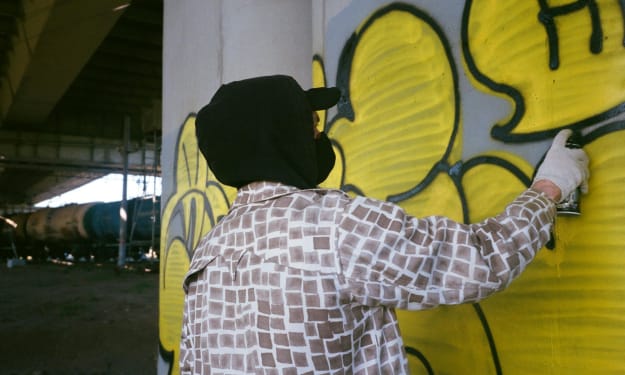
Urban Hieroglyphics: The High-Stakes Theater of Transit Art
The city breathes, but it also speaks. To the average commuter hurrying toward a subway platform or stuck in gridlock on a concrete overpass, the vibrant streaks of aerosol paint across a train car or the jagged lettering on a bridge pillar are often dismissed as "visual noise." However, to a clandestine global network of artists, these are not mere marks of defiance; they are a sophisticated, high-stakes language of reclamation. The phenomenon of painting on trains and public infrastructure is perhaps the most enduring and controversial art movement of the modern era, a persistent shadow that refuses to be erased.
By yusuf selhoabout 10 hours ago in Art



Comments
There are no comments for this story
Be the first to respond and start the conversation.