
The Art of Candle Making: A Creative and Therapeutic Hobby
Candles

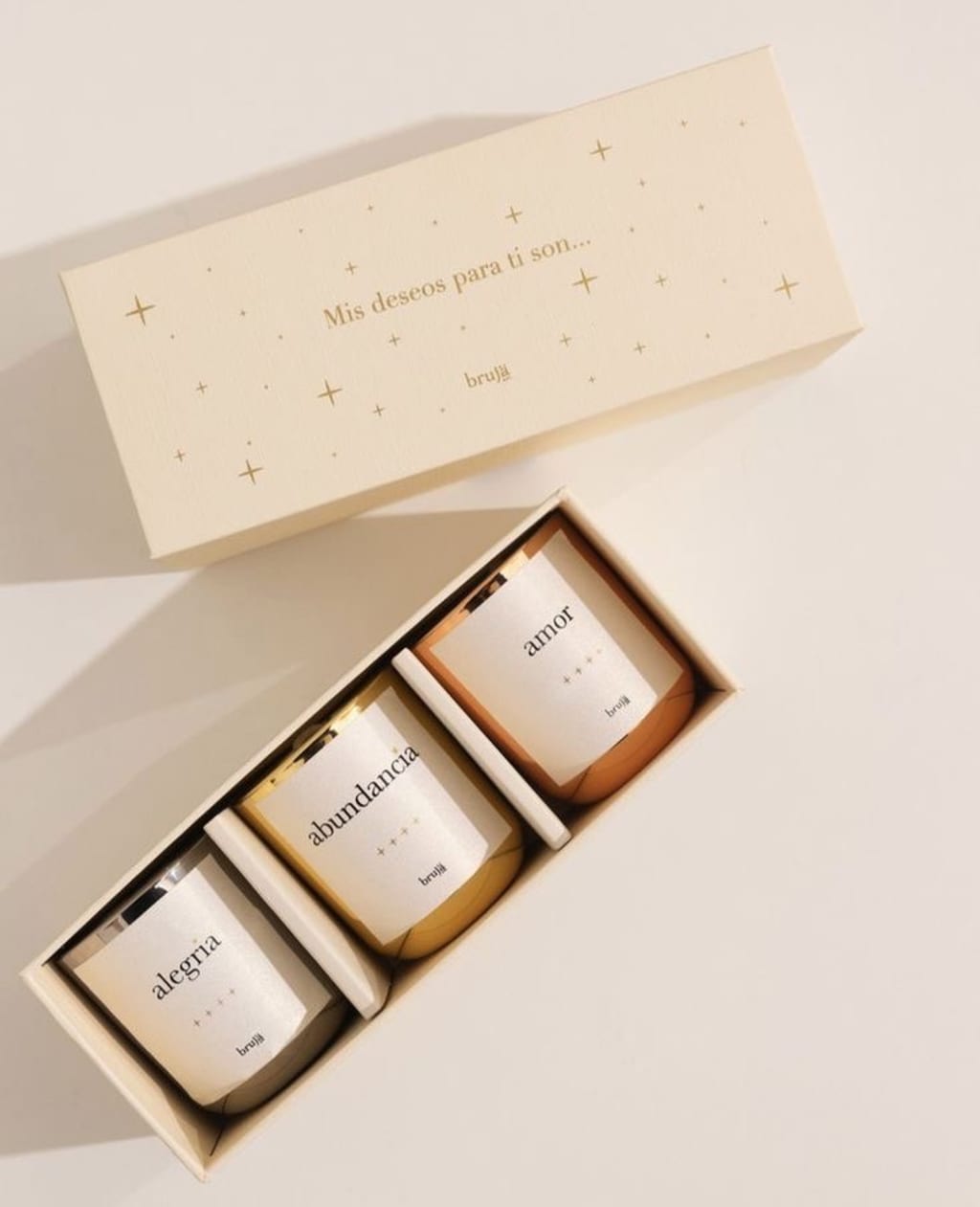
Candle making is an ancient craft that has evolved from a basic necessity into a popular and creative hobby, as well as a thriving business. Whether for decorative purposes, aromatherapy, or simply to create a cozy ambiance, candles hold a timeless appeal. In this article, we will explore the process of candle making, the materials involved, and tips for creating beautiful, personalized candles that can elevate any space.
The History of Candle Making
Candles have been used for thousands of years, initially as a source of light. The first candles were likely made from tallow (animal fat) or beeswax and used by ancient civilizations such as the Egyptians, Romans, and Greeks. With the advent of electricity, candles became less of a necessity and more of a decorative item, leading to their modern-day use in home décor, ceremonies, and relaxation.
Today, candle making has become a beloved craft, with people creating everything from simple pillar candles to intricate multi-colored designs. It also offers an outlet for creativity, allowing makers to experiment with fragrances, colors, textures, and shapes.
Materials Needed for Candle Making
Making candles requires a few basic materials, but the possibilities for customization are endless. Below are the essential supplies you’ll need to get started:
1. Wax
The choice of wax determines the texture, burn time, and appearance of your candle. Common wax types include:
• Paraffin Wax: The most widely used wax, which is affordable and easy to work with.
• Soy Wax: A natural, plant-based wax that is eco-friendly, burns cleanly, and holds fragrance well.
• Beeswax: A natural wax with a sweet, honey-like scent that burns longer than paraffin. It’s ideal for those seeking a more organic approach.
• Palm Wax: Derived from palm oil, this wax has a unique crystalline appearance and is often used for decorative candles.
• Gel Wax: Not actually wax, but a transparent gel that is often used for making layered or embedded designs.
2. Wicks
Wicks are what allow the candle to burn. They come in various sizes and types to match the type of wax and the size of the container. Common wick materials include cotton, wood, and hemp. The right wick is essential to ensure that the candle burns evenly without too much smoke or tunneling.
3. Fragrance Oils
Adding fragrance to candles enhances the sensory experience. You can choose from a wide range of scents, such as floral, fruity, herbal, spicy, or even custom blends. Essential oils can also be used for aromatherapy candles, providing therapeutic benefits such as relaxation or stress relief.
4. Dye
If you want your candles to have vibrant colors, you can add dyes specifically made for candle making. These come in the form of liquid dyes, blocks, or chips, and they allow you to create a range of hues from pastel shades to deep, rich tones.
5. Containers or Molds
The container or mold determines the shape and size of your candle. Glass jars, ceramic bowls, metal tins, or silicone molds are all popular choices for different candle styles. The container also helps hold the wax in place while it solidifies.
6. Thermometer
A thermometer is essential for measuring the temperature of the wax. Different types of wax have different pouring temperatures, so it’s important to monitor this to prevent the wax from becoming too hot or too cold, which could affect the final result.
The Candle Making Process
Making candles at home is a relatively simple process. Here’s a step-by-step guide to creating your own customized candles:
Step 1: Prepare Your Work Area
Start by setting up a clean, flat surface. Cover the area with newspaper or a protective cloth to catch any wax spills. Have all your materials ready and within easy reach.
Step 2: Measure and Melt the Wax
Measure the amount of wax you’ll need based on the size of your container or mold. A general rule of thumb is to use about 1.5 times the amount of wax as the volume of the container. Cut the wax into smaller pieces to help it melt evenly. Then, melt the wax in a double boiler over low to medium heat, stirring occasionally until it reaches the recommended melting point for your chosen wax (usually around 170°F to 185°F).
Step 3: Add Fragrance and Dye
Once the wax has melted, you can add fragrance oil and dye (if desired). For fragrance, the general guideline is to add 1 ounce of fragrance oil per pound of wax. Stir gently to mix in the fragrance and dye evenly, ensuring the wax doesn’t cool too quickly.
Step 4: Attach the Wick
While the wax is cooling slightly, prepare the wick. If you’re using a container, glue the base of the wick to the bottom of the container with a hot glue gun or wick sticker. For molds, ensure the wick is centered and secure so it stays in place during the pouring process. You can also use a wick holder to keep it taut.
Step 5: Pour the Wax
When the wax has cooled to around 130°F to 140°F, pour it carefully into your container or mold. Pour slowly to avoid air bubbles and to ensure an even pour. Leave a small amount of space at the top of the container. Allow the wax to cool and harden for several hours or overnight.
Step 6: Trim the Wick
Once the candle has completely set, trim the wick to about 1/4 inch above the surface of the candle. This will ensure that the candle burns evenly and doesn’t create a large flame or excess soot.
Step 7: Cure and Enjoy
Some waxes, particularly soy wax, benefit from a curing period of a few days to allow the fragrance to fully set in and the wax to harden completely. After curing, your candle is ready to burn or be gifted!
Tips for Perfect Candles
1. Test the Wick Size: If your wick is too small, the candle may tunnel and burn unevenly. If it’s too large, it can produce excess smoke. Experiment with wick sizes to find the perfect match for your container or mold.
2. Use a Thermometer: Wax can be tricky to work with at different temperatures. Always use a thermometer to ensure you’re working within the correct temperature range to avoid issues like fragrance fading or wax cracking.
3. Create Unique Designs: Try adding decorative touches like dried flowers, glitter, or colored layers for a more customized look. You can also experiment with different mold shapes for added creativity.
4. Keep the Candle Burned Properly: The first time you light your candle, let it burn for at least an hour to ensure that the wax melts evenly across the surface. This will prevent the candle from tunneling and maximize its burn time.
Why Candle Making is So Popular
Candle making has grown in popularity for several reasons:
• Creativity and Customization: Candle making allows you to experiment with colors, fragrances, and designs to create a truly unique product.
• Relaxation and Stress Relief: The process of making candles can be meditative and therapeutic. The act of melting wax, adding fragrance, and creating something beautiful offers a calm, focused activity that can help relieve stress.
• Eco-friendly Options: With the increasing interest in sustainability, many people opt for soy wax or beeswax candles, which are biodegradable and burn cleanly.
• Gift-Giving: Handmade candles make thoughtful, personalized gifts for friends and family. Whether you create a batch for a holiday or a special occasion, a custom candle shows love and care.
Conclusion
Candle making is a rewarding and enjoyable craft that allows you to express your creativity while creating beautiful and functional items. With just a few basic materials, you can craft personalized candles that enhance the atmosphere of your home, provide relaxation, and make thoughtful gifts for loved ones. Whether you’re a beginner or an experienced crafter, the art of candle making offers endless possibilities to experiment and refine your skills. So, light up your imagination and start making candles today!
About the Creator
Keep reading
More stories from Matilda Otu and writers in Art and other communities.
How Singing Affects the Human Brain: A Powerful Connection Between Voice and Mind
Singing is an activity that spans cultures, eras, and human experiences, serving as a form of artistic expression, social bonding, and emotional release. Whether it’s belting out a favorite song in the car, participating in a choir, or singing along at a concert, the act of singing is more than just a musical endeavor—it also has profound effects on the human brain. From enhancing cognitive function to promoting emotional well-being, singing has far-reaching benefits that extend beyond the performance itself. But how does singing affect the brain? Let’s explore the science behind this fascinating connection.
By Matilda Otuabout a year ago in Art
'Till Death We Do Art
There would be nothing divine in this world without art. Nature may surpass the divine to all intents and purposes, but like everything it absorbs and is absorbed by, it remains here, stuck on the surface of this world, ever-present, physically bound to the universe.
By Avocado Nunzella BSc (Psych) -- M.A.P 28 days ago in Art




Comments
There are no comments for this story
Be the first to respond and start the conversation.