
The Anime Industry: From Niche Artform to Global Powerhouse
In short, we are living in the golden age of anime streaming, and whichever app you pick, there’s a rich universe of stories waiting to be explored.


enjoyed by small groups of enthusiasts has become a multibillion-dollar global industry, shaping popular culture, entertainment, and even international business. But behind the colorful worlds, dynamic battles, and heartfelt stories lies a complex industry with its own struggles, innovations, and evolving future.
This article explores the history of anime production, the structure of the industry, its global impact, and the challenges it faces as demand reaches unprecedented levels.
A Brief History of Anime
The rots of anime date back to the early 20th century. Japanese animators experimented with hand-drawn shorts as early as the 1910s. By the postwar era, anime began to solidify its identity, drawing inspiration from both traditional Japanese art and Western cartoons.
The turning point came with Osamu Tezuka, often called the "God of Manga." His work on Astro Boy in the 1960s defined many of the stylistic conventions still seen today: large expressive eyes, dynamic paneling, and serialized storytelling. From that moment, anime was no longer just children's entertainment—it was a storytelling medium capable of handling deep themes.
By the 1980s and 1990s, anime exploded in both domestic and international markets with titles like Dragon Ball, Akira, and Sailor Moon. These works set the stage for anime’s rise as a global export.
The Production Committee Model
Most anime today is made using what’s called the production committee system. Unlike Hollywood studios, which usually finance and produce movies under one roof, anime projects are collaborations among multiple companies.
A typical production committee includes:
- Anime studios (e.g., Toei Animation, Madhouse, MAPPA).
- Publishers (manga companies like Shueisha, Kodansha).
- TV networks (for broadcasting).
- Merchandise companies (toys, figures, games).
- Music labels (anime songs are big business).
Each company invests in the project and shares the profits. This spreads financial risk, but it also means anime studios often earn less money compared to the distributors or merchandisers.
Life Inside an Anime Studio
Anime is labor-intensive. Episodes are still largely hand-drawn (digitally today, but frame by frame). A single 24-minute episode can require thousands of drawings.
Roles in Production:
- Key animators – create the important frames that define movement.
- In-betweeners – fill in the rest of the motion.
- Background artists – paint settings and environments.
- Directors and storyboarders – oversee flow and pacing.
- Voice actors (seiyuu) – bring characters to life with performance.
Despite anime’s popularity, the industry is infamous for its low wages and grueling work hours. Many animators earn less than a living wage, especially young in-between artists. This has sparked debates about sustainability in the anime workforce.
The Economics of Anime
Revenue streams go far beyond TV or streaming. In fact, anime production often loses money initially and relies on merchandising and licensing to profit.
Main income sources:
- Merchandise – toys, figures, DVDs, Blu-rays.
- Music sales – opening/ending themes often chart in Japan.
- Streaming rights – Crunchyroll, Netflix, and others pay for distribution.
- Games & spinoffs – mobile games, console adaptations.
- Events & live concerts – anime voice actors and idol groups attract huge crowds.
- In 2022, the anime industry’s global market surpassed $25 billion, showing its vast economic influence.
- The Role of Streaming Platforms
Streaming services have transformed the anime business. In the past, fans outside Japan had to wait months or years for subtitled VHS tapes or DVDs. Today, platforms app To watch Anime like Crunchyroll, Netflix, and Disney+ bring simulcasts within hours of Japanese release.
This global exposure has:
- Expanded anime’s audience to hundreds of millions worldwide.
- Increased competition for streaming rights, raising revenue.
- Encouraged original productions made directly for international audiences.
- However, some worry that streaming companies could push anime to prioritize global tastes over Japanese creative freedom.
Cultural Influence and Soft Power
Anime isn’t just entertainment; it’s cultural diplomacy. Japan has actively promoted anime as part of its “Cool Japan” strategy, using it to boost tourism, exports, and cultural prestige.
Popular series like Naruto, One Piece, and Attack on Titan have become global cultural touchstones. They inspire fan conventions, cosplay, fan art, and even academic research. Anime has also influenced Hollywood, with directors like Guillermo del Toro and the Wachowskis citing it as inspiration.
Challenges Facing the Industry
Despite booming popularity, anime faces significant hurdles:
- Overproduction – Too many titles are released each season, leading to oversaturation.
- Animator exploitation – Low wages and burnout risk losing talent.
- Piracy – Illegal streaming sites continue to siphon off revenue.
- Creative risks – Pressure to produce safe, marketable titles sometimes stifles originality.
- Globalization pressures – Balancing Japanese cultural roots with international audience expectations.
The Future of Anime
The future looks both promising and uncertain. On one hand, global demand is stronger than ever, with new fans entering the anime world daily. Streaming giants are investing millions into original productions, and technological innovations like AI-assisted animation may ease production burdens.
On the other hand, unless working conditions improve, the industry risks burning out its talent pool. Some studios have already taken steps toward reform, offering better pay and work-life balance, but systemic change will take time.
There’s also a creative question: will anime continue to push boundaries with bold storytelling, or become increasingly commercialized?
Conclusion
The anime industry is a fascinating paradox. It’s a cultural giant beloved worldwide, yet behind the scenes it struggles with financial imbalance and labor issues. Its future will depend on how it navigates these contradictions—balancing artistry and commerce, tradition and globalization, creativity and mass production.
For fans, understanding the industry behind the screen adds depth to the experience. Anime is not just entertainment; it’s the product of thousands of passionate creators working tirelessly to bring extraordinary stories to life. And as long as that passion continues, the anime industry will remain one of the most exciting and influential cultural forces in the world.
About the Creator
Yehya Mohamed
I’m passionate about writing, blogging, and reading. I run several personal blogs and love exploring new tech, especially SEO innovations. Curiosity and creativity drive me to keep learning and sharing knowledge.
Keep reading
More stories from Yehya Mohamed and writers in Art and other communities.
A Beginner’s Guide to Making Money with Google AdSense
experimenting with YouTube—Google AdSense is often the first stop on the road to online monetization. It’s simple to use, widely trusted, and requires no advanced technical skills. But as with any business model, success doesn’t come overnight. In this guide, we’ll break down how AdSense works, what beginners should focus on, and strategies to maximize your earnings.
By Yehya Mohamed6 months ago in Writers
'Till Death We Do Art
There would be nothing divine in this world without art. Nature may surpass the divine to all intents and purposes, but like everything it absorbs and is absorbed by, it remains here, stuck on the surface of this world, ever-present, physically bound to the universe.
By Avocado Nunzella BSc (Psych) -- M.A.P 27 days ago in Art
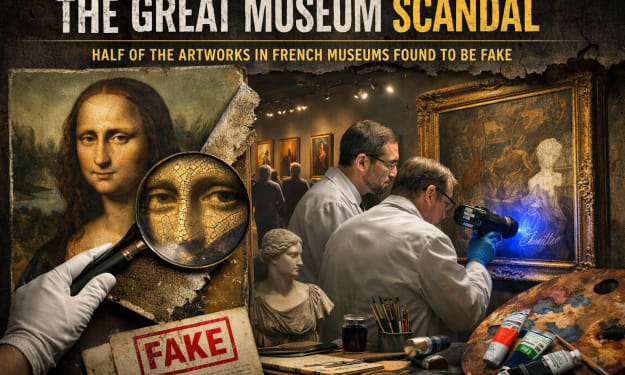
The Great Museum Scandal: Half of the Artworks in French Museums Found to Be Fake
France is home to some of the most famous museums in the world, attracting millions of visitors each year who come to admire priceless works of art and historical artifacts. However, a recent investigation has sent shockwaves through the art world after suggesting that a significant number of artworks displayed in certain French museums may actually be fake.
By Irshad Abbasi 6 days ago in Art
A Transparent Look at Vocal Challenges and Top Stories
Almost three years ago, we shared a resource article that served as a place for people to suggest new challenge prompts. We thought it would be a good idea to refresh that thread, and take the opportunity to answer a few common questions about top stories, how challenges are judged and how submissions are reviewed.
By Vocal Curation Team4 days ago in Resources



Comments
There are no comments for this story
Be the first to respond and start the conversation.