
The African culture
The Rich Tapestry of African Art and Culture

Introduction:
African culture is a captivating mosaic of diverse traditions, beliefs, and artistic expressions that have captivated the world for centuries. From the ancient civilizations of Egypt to the vibrant modern art scenes in various African countries, the continent boasts an extraordinary wealth of artistic heritage that continues to inspire and influence global culture. In this article, we will delve into the fascinating art forms and cultural aspects that make African art a treasure trove of creativity and identity.
Culture, the intricate web of beliefs, values, traditions, and artistic expressions that define societies, has been the cornerstone of human civilization for millennia. As a multifaceted tapestry, culture weaves together art, language, music, cuisine, and rituals to create the very essence of humanity. This article explores the fascinating world of cultural art, diving into its significance, its role in shaping identities, and how it transcends borders to unite us all.
Cultural art embodies the collective experiences, emotions, and perspectives of a group of people, offering a unique glimpse into their history and way of life. It serves as a powerful medium to preserve and pass on traditions from one generation to another. Through visual arts, literature, dance, and storytelling, cultural art imparts wisdom, values, and societal norms, ensuring continuity and the preservation of identity.
Ancient Art and Archaeological Discoveries:
The roots of African art trace back to the continent's earliest civilizations, notably in ancient Egypt, where monumental pyramids, grand temples, and intricate hieroglyphics are enduring testaments to their artistic prowess. Numerous archaeological findings across the continent reveal remarkable sculptures, pottery, and rock paintings that provide invaluable insights into the diverse cultures that once flourished.
Traditional Art Forms:
African culture is rich in traditional art forms that vary from region to region. From the intricate beadwork of the Maasai tribe in East Africa to the expressive wood carvings of the Yoruba people in Nigeria, each community has its distinct artistic language that reflects their history, beliefs, and social structures. These art forms are deeply interwoven into everyday life, be it through storytelling, rituals, or ceremonial celebrations.
Visual Arts:
African contemporary artists have been gaining global recognition and acclaim for their innovative works that blend traditional elements with modern perspectives. The vibrant and bold paintings of artists like El Anatsui from Ghana, renowned for his large-scale sculptures made from recycled materials, showcase the fusion of tradition and modernity in African art.
Music and Dance:
Music and dance are integral components of African culture, serving as mediums to communicate emotions, celebrate occasions, and preserve ancestral heritage. The rhythmic beats of drums, the melodic sounds of various instruments, and the energetic movements of traditional dances exemplify the profound significance of music and dance in African societies.
Oral Traditions:
The art of storytelling plays a pivotal role in African culture. Griots, skilled oral historians, pass down generations of knowledge, myths, and historical accounts through captivating narratives and songs. This tradition of oral history ensures that the continent's diverse cultural heritage remains alive and cherished.
Textile and Fashion:
African textiles boast intricate patterns, vibrant colors, and symbolism, reflecting the multifaceted identities of the people. Adinkra symbols from Ghana, Kente cloth from West Africa, and mud cloth from Mali are just a few examples of the rich tapestry of African textiles. Additionally, African fashion designers are gaining global recognition, showcasing their talent and creativity on international runways.
Conclusion:
The art of African culture is a testament to the continent's resilience, creativity, and rich history. It embodies a fusion of tradition and innovation, weaving a diverse and intricate narrative that continues to inspire and influence art and culture worldwide. From ancient art forms to contemporary expressions, African art is a treasure trove that invites us to explore the complexities and beauty of this vast and diverse continent. As we celebrate and learn from these artistic legacies, let us also strive to preserve and respect the cultural heritage that makes Africa a beacon of artistic brilliance.
About the Creator
Keep reading
More stories from Chioma Nwagbara and writers in Art and other communities.
Embracing the Gen Z Identity
Generation Z, also known as Gen Z, is the demographic cohort born between the mid-1990s and the early 2010s. Growing up in the digital age, Gen Z is often characterized by its tech-savviness, progressive ideals, and commitment to making a positive impact on the world. This article explores what it means to be a member of Gen Z, examining the unique experiences, challenges, and opportunities that define this generation as they shape the future.
By Chioma Nwagbara3 years ago in Futurism
'Till Death We Do Art
There would be nothing divine in this world without art. Nature may surpass the divine to all intents and purposes, but like everything it absorbs and is absorbed by, it remains here, stuck on the surface of this world, ever-present, physically bound to the universe.
By Avocado Nunzella BSc (Psych) -- M.A.P 25 days ago in Art
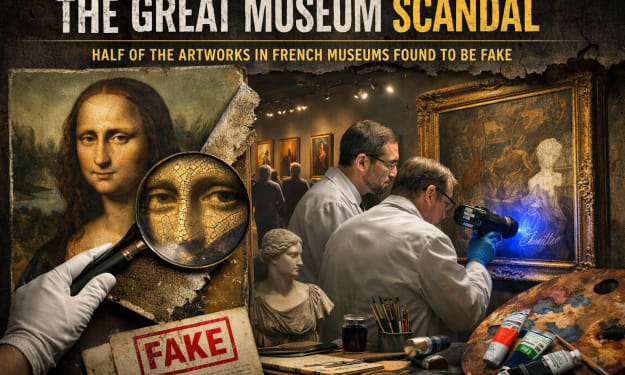
The Great Museum Scandal: Half of the Artworks in French Museums Found to Be Fake
France is home to some of the most famous museums in the world, attracting millions of visitors each year who come to admire priceless works of art and historical artifacts. However, a recent investigation has sent shockwaves through the art world after suggesting that a significant number of artworks displayed in certain French museums may actually be fake.
By Irshad Abbasi 3 days ago in Art



Comments
There are no comments for this story
Be the first to respond and start the conversation.