
"The 10 most evil science fiction and fantasy books of all time"
books, best seller, fiction, fantasy

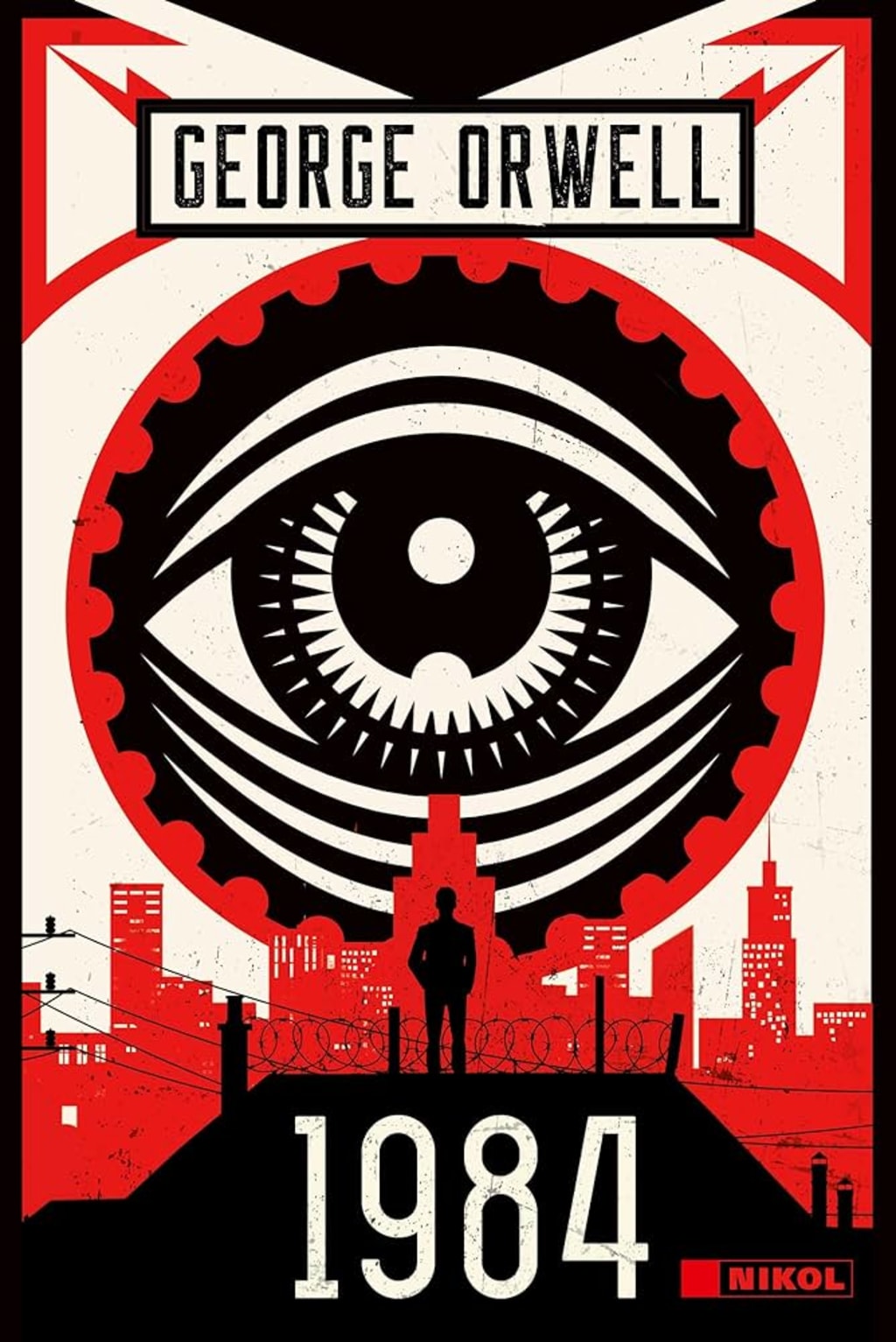
Dune - Frank Herbert (1965):
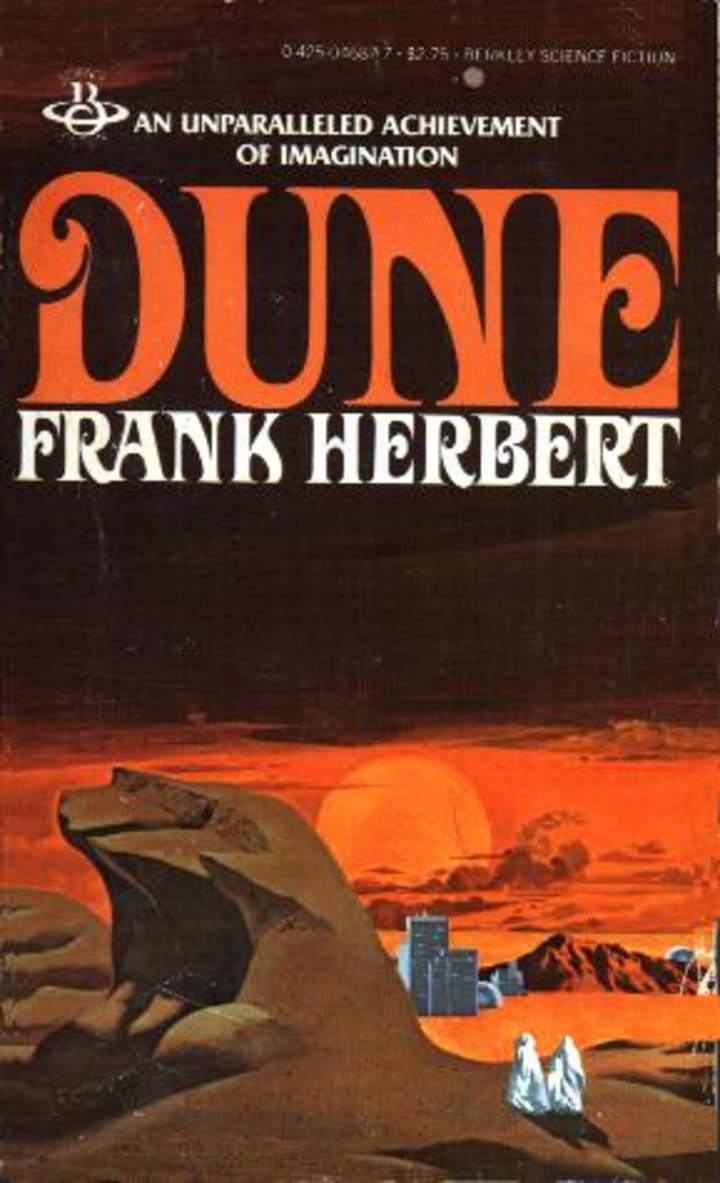
"Dune" is the first book in Frank Herbert's award-winning science fiction epic series, published in 1965. The story unfolds on the desert planet of Arrakis, which produces the most valuable substance in the universe, spice. The book delves into themes such as political intrigue, societal change, religion, and economics. The main character, Paul Atreides, embarks on a complex journey in a world filled with political maneuvering. "Dune" is considered a classic of science fiction literature, captivating readers with its in-depth character development and rich universe.
The Lord of the Rings - J.R.R. Tolkien (1954-1955):

J.R.R. Tolkien's "The Lord of the Rings" trilogy takes place in the fictional world of Middle-earth. Comprising "The Fellowship of the Ring," "The Two Towers," and "The Return of the King," the trilogy narrates the epic tale of a group of characters resisting the dark lord Sauron's attempts to obtain the One Ring. Tolkien's creativity, language usage, and mythological depth make this series unique. "The Lord of the Rings" has become a cornerstone of both fantasy literature and modern culture.
Harry Potter Series - J.K. Rowling (1997-2007):
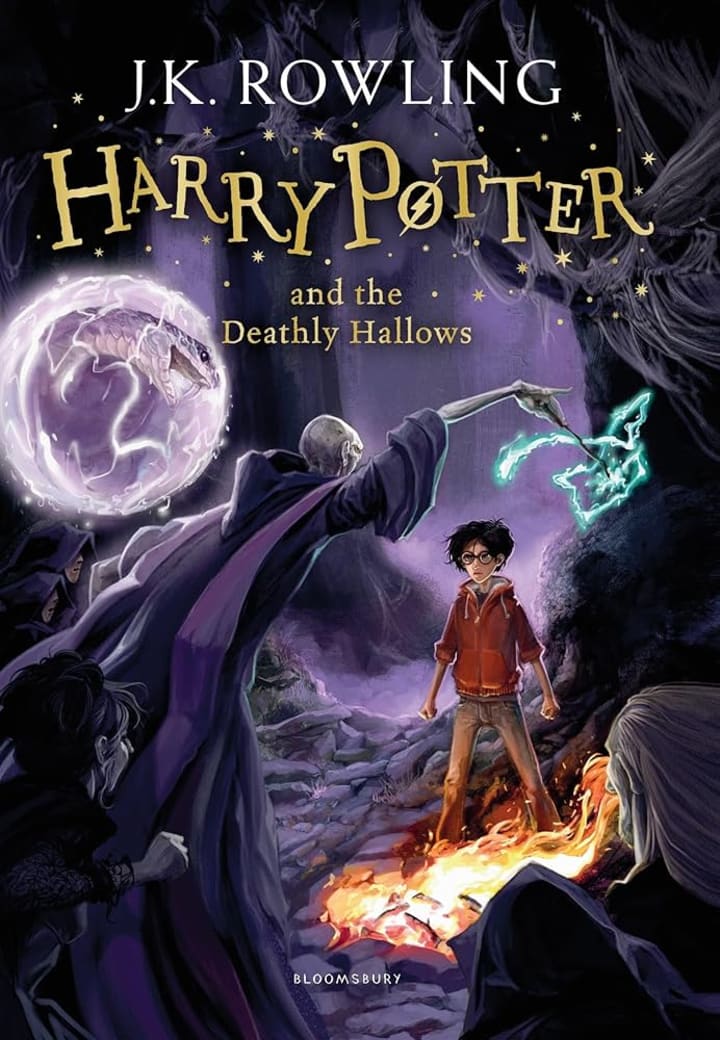
J.K. Rowling's seven-book Harry Potter series follows the adventures of the young wizard Harry at Hogwarts School of Witchcraft and Wizardry. The series explores the magical world, friendship, family, love, and the struggle against dark magic. Character development, a rich world structure, and Rowling's sense of humor have attracted a wide readership. Harry Potter is a milestone in contemporary fantasy literature.
1984 - George Orwell (1949):
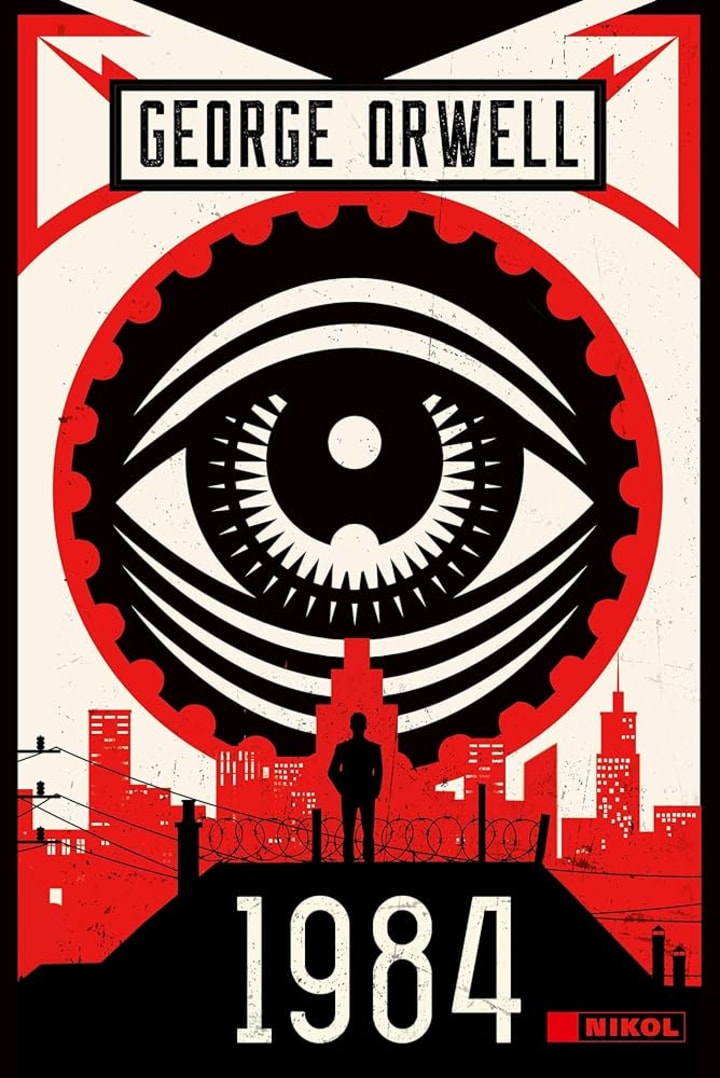
George Orwell's dystopian novel "1984" tells the story set in a totalitarian state where constant surveillance and severe punishments for thought crimes are the norm. Winston Smith, the main character living in the state of Oceania, strives to survive in a world where government control is omnipresent, and punishments for dissent are severe. Orwell's book is known as a critique of authoritarian systems that interfere with individual freedom and reality.
Fahrenheit 451 - Ray Bradbury (1953):
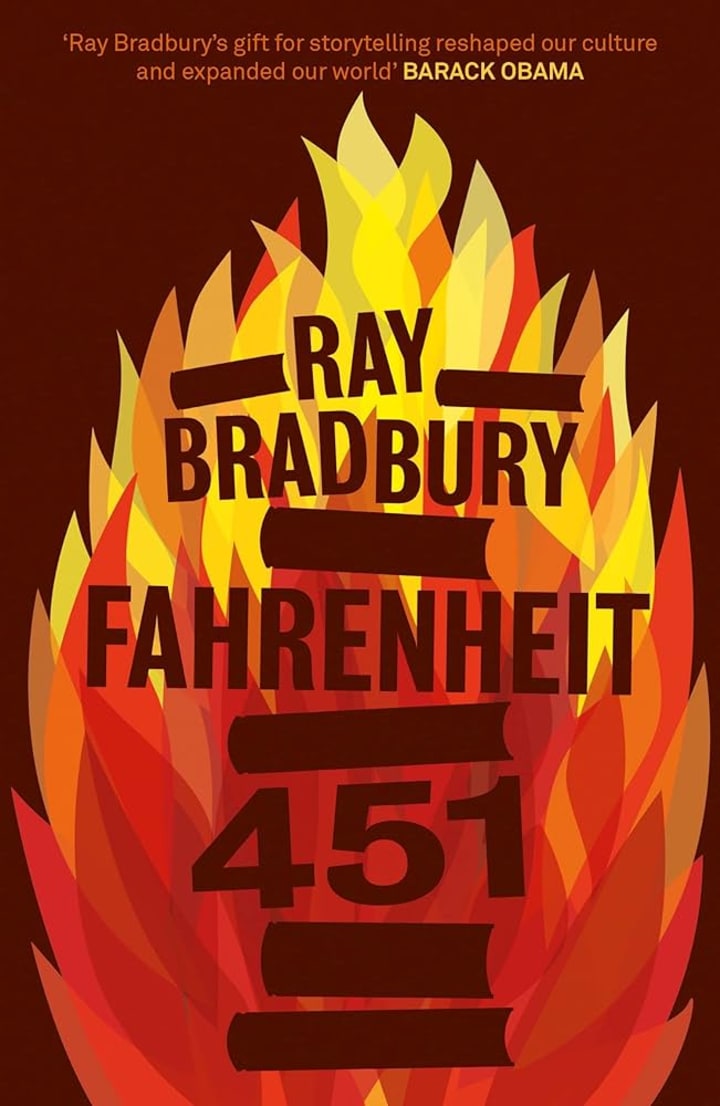
Ray Bradbury's "Fahrenheit 451" is a dystopian novel set in a world where books are banned, and freedom of thought is suppressed. The protagonist, Guy Montag, initially tasked with destroying books, eventually discovers the values they contain and rebels against the totalitarian system. Bradbury questions freedom of thought, censorship, and the impact of technology on human life.
Matrix Series - Sophia Stewart (1999):
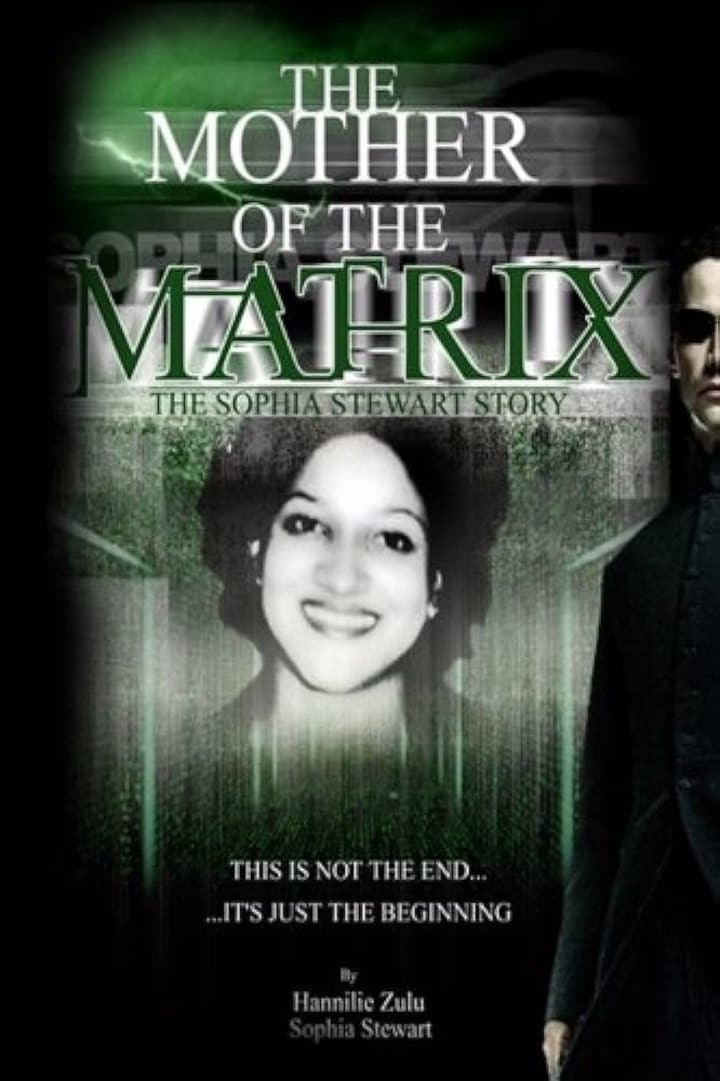
"The Matrix" film series explores the complex relationship between artificial intelligence and reality in a future where humans live in a virtual reality. The story, set in a world where humans exist in a simulated reality, touches on philosophical and scientific concepts. The series combines action scenes with thought-provoking themes.
Twilight Series - Stephenie Meyer (2005-2008):
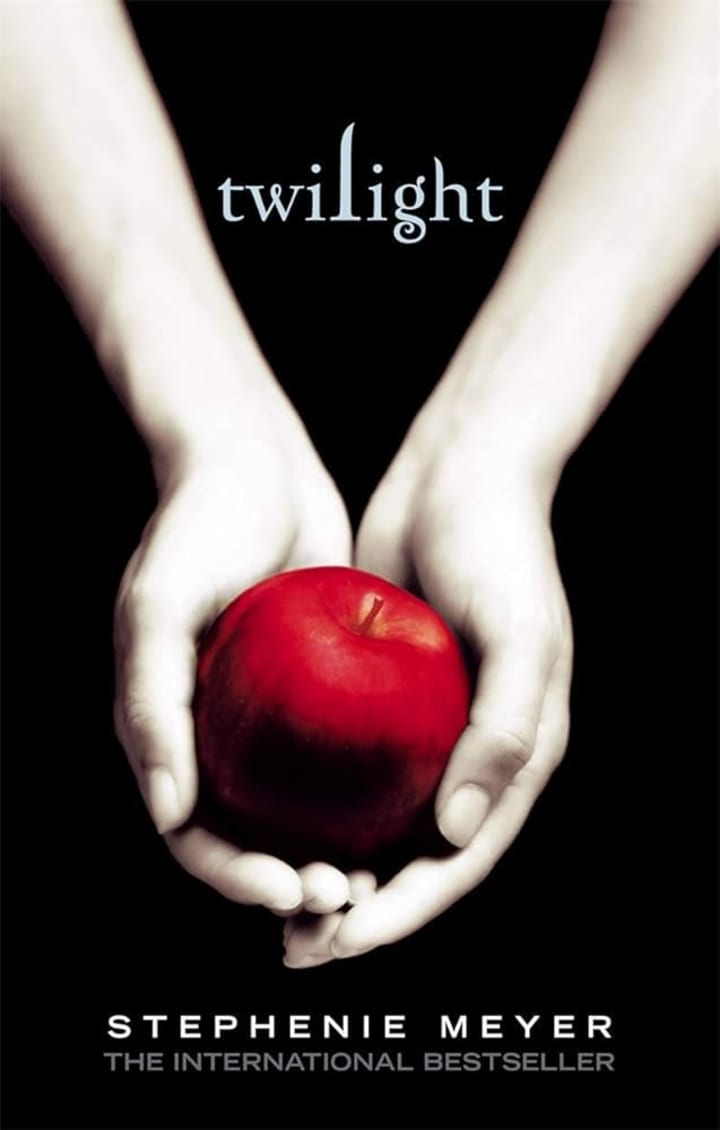
Stephenie Meyer's "Twilight" series focuses on the romantic relationship between the young girl Bella Swan and the vampire Edward Cullen. The series, with elements of vampires, werewolves, and a love triangle, has enchanted young readers. Meyer's character development and emotional depth have made the series popular.
The Hitchhiker's Guide to the Galaxy - Douglas Adams (1979):
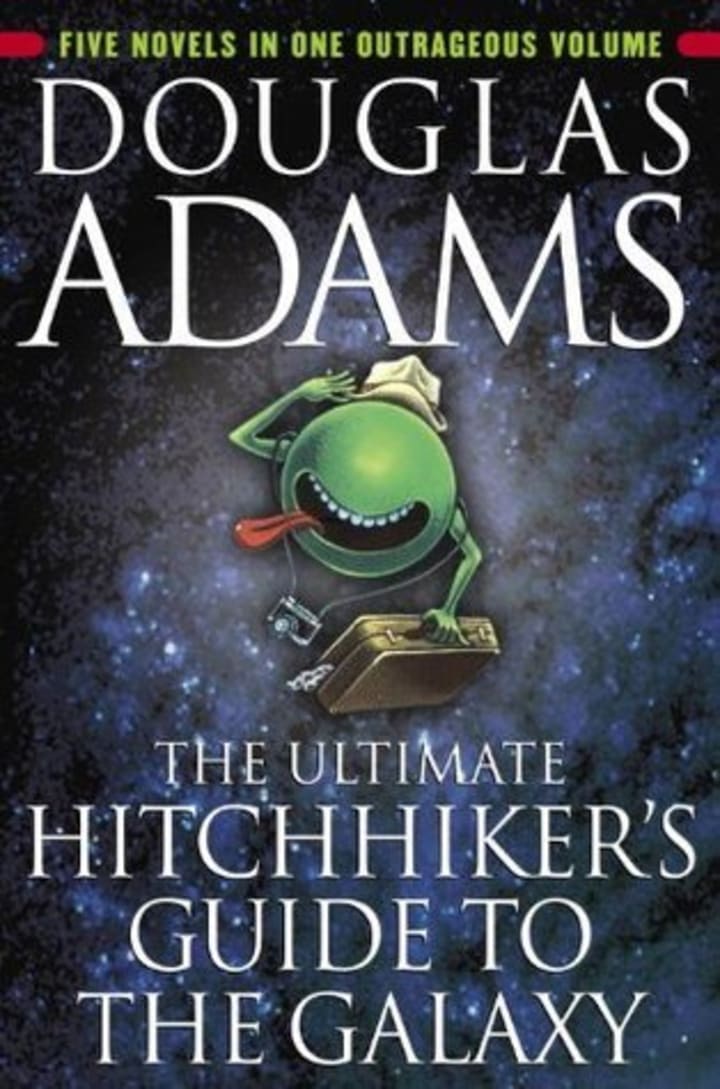
Douglas Adams' "The Hitchhiker's Guide to the Galaxy" is a comedic and absurd science fiction series set in space. The main character, Arthur Dent, is left with only a towel and a spaceship when Earth is destroyed. The series combines science fiction with unique humor, offering readers an enjoyable journey.
The Wheel of Time Series - Robert Jordan (1990-2013):
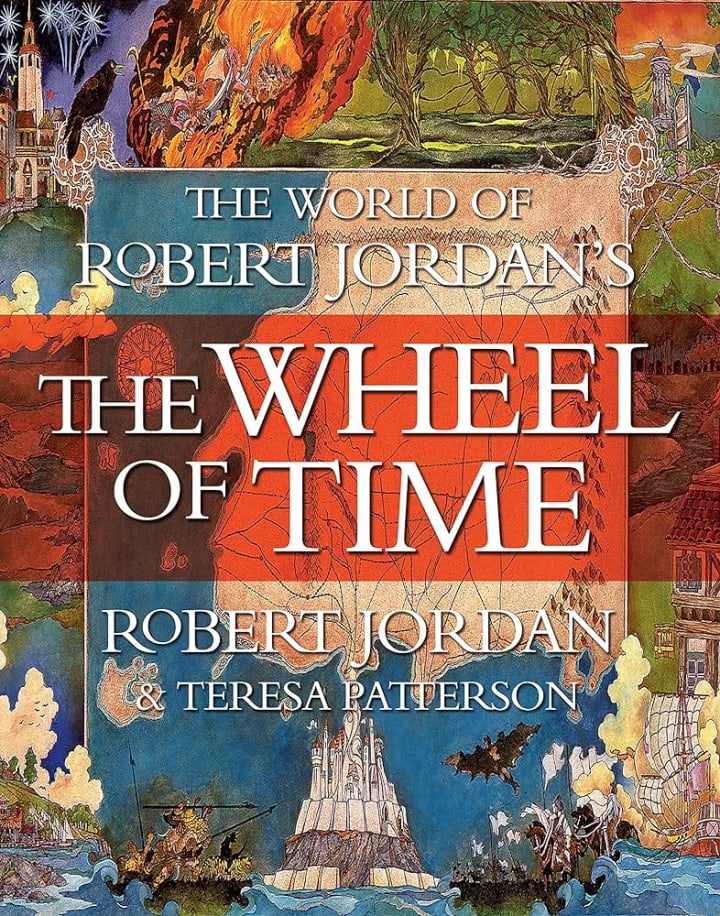
Robert Jordan's "The Wheel of Time" series is an epic fantasy masterpiece. The fourteen-book series follows heroes fighting against the dark force known as the Dark One. With a vast cast of characters, complex political events, and a profound universe, the series provides readers with a captivating world.
Ender's Game - Orson Scott Card (1985):
"Ender's Game," published in 1985 by Orson Scott Card, is a science fiction novel set in a future dystopia. The story revolves around young Ender Wiggin, selected and trained to fight in space. Ender, with his intelligence and leadership abilities, becomes a key player in preventing a significant threat to humanity. Card's work explores themes of war, leadership, and ethics, offering readers a thought-provoking experience.
These books, despite being in different genres and themes, are each considered significant works in their respective fields. Offering deep contemplation, excitement, and emotional experiences, these books have left a lasting impact on the literary world.
About the Creator
WORKING BRAIN
This is my hobby
Keep reading
More stories from WORKING BRAIN and writers in Art and other communities.
"The Golden Ratio" tells about Allah
In the universe, from the microcosm to the macrocosm, there exists a visible measure and harmony in the bodies of all created beings. This perfection, not easily perceived by the human eye and mind, carries the characteristic of the "golden ratio," as expressed by the sciences.
By WORKING BRAIN2 years ago in Art
'Till Death We Do Art
There would be nothing divine in this world without art. Nature may surpass the divine to all intents and purposes, but like everything it absorbs and is absorbed by, it remains here, stuck on the surface of this world, ever-present, physically bound to the universe.
By Avocado Nunzella BSc (Psych) -- M.A.P 28 days ago in Art
Popularity Versus Art and The Shrouds We Cover Them With
The best artists are those who look at things as they are, not as they want them to be. However, sometimes they need to deal with shrouds that obscure judgment. The first type of shroud surrounds popular media, as popularity creates a shroud for the item that is popular, a shroud that both attracts fanaticism (so that anyone criticizing is wrong) and the wrong kind of criticism (if it's popular, well, art can not be popular, and there are those that wish to prove their artistic integrity by bringing down anything popular). The second type of shroud surrounds art, sometimes making something seem more artistic than it really is.
By Jamais Jochim3 days ago in Art




Comments (1)
well done!