
Tattoos in the Workplace: What’s Changing?
How body art is becoming part of modern professional life

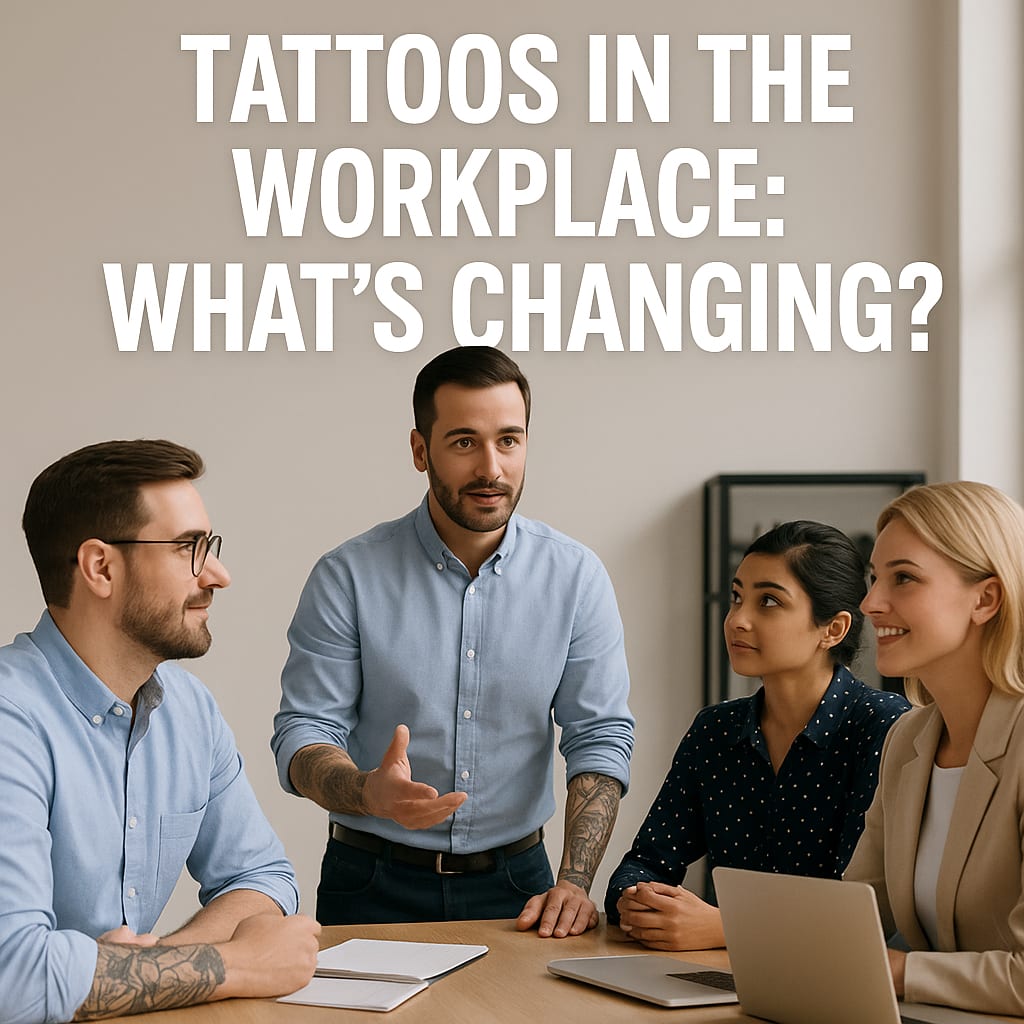
Not long ago, tattoos were seen as unprofessional or rebellious, and many workplaces had strict rules against visible ink. But the world is changing quickly. Today, tattoos are becoming more accepted as part of personal identity and modern culture. Many companies now focus more on skills, competence and attitude rather than whether someone has a tattoo.
This article looks at the shift happening in workplaces, why it’s happening, and what both employees and employers need to understand.
Why Attitudes Are Changing
1. New Generations in the Workforce
Younger generations grew up seeing tattoos as normal and creative expressions. As they enter the workforce in large numbers, they naturally bring a more relaxed attitude toward body art.
2. Changing Definition of Professionalism
The old idea of “professional” meant clean-cut, plain and conservative. But today, professionalism is more about communication, performance, reliability, and how well you represent the company not necessarily the appearance of your skin.
3. Focus on Inclusion and Self-Expression
Companies now want employees to feel comfortable being themselves. Tattoos are part of personal identity for many people. As workplaces push for diversity and authenticity, body art is becoming less of an issue.
4. Competition for Talent
Many industries need skilled workers. Companies can’t afford to lose great talent just because of strict tattoo rules. This has pushed many organisations to relax outdated policies.
What Has Actually Changed?
More Relaxed Company Policies
Many workplaces no longer ban visible tattoos outright. Instead, they use common-sense rules: tattoos are allowed as long as they are not offensive or distracting.
Acceptance Varies by Industry
Some industries are more open than others.
- Tech, creative fields, hospitality, entertainment usually relaxed.
- Banking, law, government, luxury brands still more conservative.
So acceptance depends a lot on where you work.
Placement Still Matters
Tattoos on arms or legs are generally acceptable, but face, neck and hand tattoos are still restricted in many places. Also, designs with offensive, political or violent imagery are usually not allowed.
Interviews Still Require Caution
Even in modern workplaces, many people prefer to cover tattoos during an interview until they understand the company culture. First impressions still count.
What Employees Should Know
1. Be Smart During Interviews
If you’re interviewing at a company you don’t know much about, consider covering visible tattoos until you understand their policies. Once hired, you can relax if the culture allows it.
2. Know Company Policies
Always read your company’s dress code. Even if tattoos are allowed, you may still be required to cover certain areas or avoid certain styles.
3. Think About Tattoo Placement
If you work in a traditional industry, getting tattoos in easily hidden areas might save you stress. You can still express yourself just more strategically.
If you’re considering getting a new tattoo, always choose a clean, reputable studio such as Rise Up Tattoo, where safety and professional standards are prioritized.
4. Confidence Matters
If your tattoo is visible and acceptable, wear it confidently. People respond to professionalism and skills more than appearance when you carry yourself well.
What Employers Should Know
1. A Strict Tattoo Ban Can Limit Your Talent Pool
Many skilled professionals have tattoos. Rejecting them for appearance alone may prevent you from hiring qualified people.
2. A Modern, Inclusive Culture Boosts Morale
Employees feel more valued when they don’t have to hide who they are. Accepting tattoos can help build a positive and open work environment.
3. Clearly Define What Is Acceptable
If your organisation chooses to allow tattoos, have clear guidelines. For example:
- No offensive or graphic images
- No hate symbols
- Certain roles may still require covering up
- Clear rules help avoid misunderstandings.
4. Consistency Is Important
Apply appearance rules fairly. Don’t allow some employees freedom while restricting others without reason.
Areas Where Caution Is Still Needed
Client-Facing Roles
If your job involves meeting clients, representing a high-end brand, or working in formal environments, some tattoos may still need to be covered.
Cultural & Local Differences
Acceptance varies between countries and regions. In some places, tattoos are still associated with gangs, rebellion or negative behaviour especially older generations.
Design Content Still Matters
No matter how open a company is, tattoos that show offensive language, violence, sexual content, or political statements may not be accepted anywhere.
No Legal Protection in Most Countries
In many nations, tattoos are not legally protected characteristics. That means employers can still set rules as long as they apply them fairly.
Tips for Employees with Tattoos
- Research the company before your interview.
- When unsure, cover the tattoo first — reveal later.
- Choose less visible spots if you work in a conservative field.
- Present yourself confidently, professionally and politely.
- If co-workers comment negatively, respond respectfully or report harassment if needed.
Tips for Employers Updating Their Tattoo Policy
- Think of tattoos as part of modern diversity.
- Update your dress code to reflect today’s workplace.
- Clarify unacceptable content and placement.
- Train managers to apply the rules fairly.
- Focus more on employee skills than appearance.
The Future of Tattoos at Work
The trend is clear: tattoos are becoming more accepted every year. Many workplaces now see them as normal forms of self-expression. Younger generations who often view tattoos as art rather than rebellion — are reshaping work culture.
However, complete acceptance will take time. Traditional environments, conservative cultures and client-facing roles may continue to restrict tattoo visibility.
Even so, the direction is positive. The modern workplace is shifting from judging “how you look” to valuing “what you contribute.”
Conclusion
Tattoos in the workplace are no longer the barrier they used to be. The world is becoming more open, diverse and expressive. Today, your professionalism, communication and work ethic matter far more than whether you have ink on your skin.
For employees, the key is awareness and smart decision-making. For employers, the opportunity lies in embracing modernity without compromising professionalism.
The message is simple:
Your talent, not your tattoo, should define your future.
About the Creator
'Till Death We Do Art
There would be nothing divine in this world without art. Nature may surpass the divine to all intents and purposes, but like everything it absorbs and is absorbed by, it remains here, stuck on the surface of this world, ever-present, physically bound to the universe.
By Avocado Nunzella BSc (Psych) -- M.A.P 21 days ago in Art
Wander the World
In a not-so-distant future, the world had changed in many ways. Cities floated in the sky, and robots helped people with their daily tasks. Among these wonders lived a curious girl named Elara. She was sixteen years old and always dreamed of exploring the world beyond her floating city called Skyhaven. Elara had long, wavy hair, bright green eyes, and a heart full of adventure. She spent her days in her small room, gazing at the stars through her window, imagining the places she would go.
By Hamad Afridi 4 days ago in Art




Comments
There are no comments for this story
Be the first to respond and start the conversation.