
Sustainable Ceramics: How Eco-Friendly Pottery is Shaping Modern Design
Learn the benefits of ecofriendly pottery in modern design
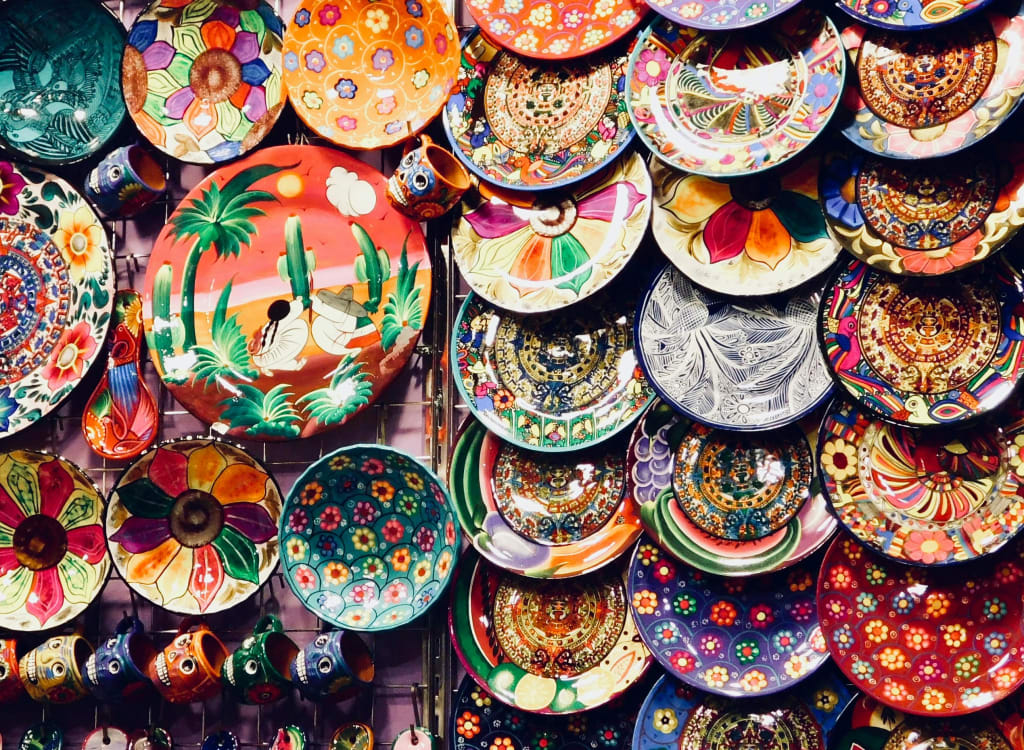
Ceramics are liked by people worldwide for their beauty, durability, and versatility. From ancient artifacts to contemporary home décor, pottery plays an integral role in various cultures. But in recent years, a new focus has emerged within the ceramics world—sustainability. With the increasing emphasis on eco-consciousness, sustainable ceramics are carving out a niche in modern design, transforming how artisans and consumers alike think about pottery.
The Rise of Sustainable Ceramics in Modern Design
As environmental concerns take center stage globally, industries across the board are rethinking their impact on the planet, and ceramics are no exception. Modern design is embracing eco-friendly pottery, highlighting the craft's potential for sustainability. From the choice of materials to energy-efficient production methods, the concept of sustainable ceramics has gained momentum, blending functionality with ethical craftsmanship.
What Makes Ceramics Sustainable?
For a piece of pottery to be considered sustainable, various factors must be taken into account, including materials, production techniques, and disposal options. The transition to sustainable ceramics involves:
1. Eco-friendly Raw Materials: Sustainable ceramics are crafted from locally sourced or recycled clay, reducing the carbon footprint associated with material transport. Additionally, these ceramics often avoid synthetic glazes or harmful chemical additives, opting for natural alternatives.
2. Energy-Efficient Firing Techniques: Traditional kiln firing is an energy-intensive process, especially for high-temperature ceramics. Sustainable potters have started utilizing energy-efficient kilns, solar-powered operations, or even alternative low-fire methods that consume less energy without compromising quality.
3. Water Conservation: The ceramic production process often involves substantial water use. Eco-friendly studios emphasize water recycling systems, where water is reused multiple times before disposal, helping minimize overall water consumption.
4. Minimal Waste: Sustainable potters focus on reducing waste, using every bit of clay and glaze. Leftover scraps are recycled back into the process, and broken pieces are repurposed in innovative ways, such as creating mosaics or filler materials.
The Environmental Impact of Traditional Pottery
Before delving deeper into the benefits of sustainable ceramics, it's crucial to understand the environmental challenges posed by traditional pottery production. Conventional ceramics manufacturing can be resource-intensive and environmentally damaging:
Mining of Raw Materials: The extraction of clay and other raw materials often leads to habitat destruction and soil degradation.
High Energy Usage: Traditional kilns require temperatures up to 2,500°F, consuming significant energy, particularly in large-scale industrial production.
Chemical-Heavy Glazes: Many ceramic pieces are coated with glazes that contain heavy metals, which, if not disposed of properly, can leach into groundwater and soil, posing environmental and health risks.
These factors highlight why the shift toward sustainable ceramics is not only a design trend but a necessity.
Sustainable Ceramics in Home Décor
Sustainable ceramics are making waves in home décor, offering eco-conscious consumers the opportunity to incorporate beautiful, functional, and environmentally friendly pieces into their living spaces. The shift is driven by both consumer demand for greener products and designers’ desire to innovate with sustainable materials.
Eco-Friendly Ceramic Kitchenware
One of the primary areas where sustainable ceramics shine is in kitchenware. Handcrafted, eco-friendly pottery is increasingly popular for plates, bowls, mugs, and other kitchen essentials. These items are made without harmful chemicals, ensuring that food is served on non-toxic surfaces.
Additionally, the unique, handcrafted nature of sustainable kitchenware allows consumers to invest in durable pieces that last a lifetime. This contrasts with mass-produced items, which are often discarded after a short period.
Decorative Pieces with a Purpose
Sustainable ceramics are also making an impact in decorative arts. Vases, planters, and wall hangings crafted from eco-friendly materials and techniques not only beautify a space but also tell a story of conscious craftsmanship. Artists are drawing inspiration from nature, incorporating organic shapes and colors into their designs, which resonate with consumers seeking authenticity in their décor choices.
Minimalism Meets Sustainability
The minimalist design trend dovetails perfectly with the concept of sustainable ceramics. The focus on simplicity, durability, and function aligns with the eco-conscious ethos, allowing homeowners to curate spaces filled with fewer, but higher-quality, pieces. Sustainable pottery contributes to this aesthetic by offering handmade, timeless designs that seamlessly fit into minimalist interiors.
Innovations in Sustainable Ceramic Design
As the demand for sustainable pottery grows, artisans and manufacturers alike are exploring new ways to make ceramics more eco-friendly. Technological innovations and creative processes are at the forefront of this movement, pushing the boundaries of what's possible in the world of sustainable ceramics.
Bio-Based Materials
Beyond traditional clay, some designers are experimenting with bio-based alternatives, such as using waste from agriculture or other industries to create pottery. For example, rice husks, corn stalks, and other organic waste materials are mixed with clay to reduce the need for virgin resources.
3D Printing in Ceramics
3D printing is revolutionizing the way ceramics are made. This technology allows for precision in production, reducing material waste and ensuring energy-efficient firing. It also opens up new design possibilities, enabling the creation of intricate and innovative pieces that would be challenging to make by hand.
Alternative Kiln Fuels
Another area for the development of kilns that use alternative fuels. Solar-powered kilns and kilns fueled by sustainable biomass are being explored, reducing the reliance on fossil fuels and cutting down on the carbon footprint associated with traditional pottery production.
Sustainable Ceramics and Slow Design
The movement towards sustainable ceramics is closely aligned with the principles of slow design, which prioritize longevity, ethical production, and the human touch. Slow design challenges the mass production model, focusing instead on the careful, intentional creation of high-quality products that are meant to be cherished over time.
Handcrafted vs. Mass-Produced
Handcrafted ceramics are at the heart of the sustainable ceramics movement. Each piece is made with care and attention to detail, ensuring not only aesthetic appeal but also durability. In contrast, mass-produced ceramics are often designed for short-term use and are more likely to end up in landfills.
Sustainable ceramics embrace the notion of investing in fewer, better items—pieces that can be passed down through generations. This idea resonates with consumers who are moving away from disposable culture and seeking products that are built to last.
Supporting Local Artisans
One of the most impactful ways sustainable ceramics is shaping modern design is by fostering a renewed interest in supporting local artisans. Many eco-friendly pottery makers are small, independent artists who prioritize ethical sourcing and handmade production. By choosing sustainable ceramics, consumers are directly supporting these artisans and their environmentally friendly practices.
Additionally, purchasing locally made ceramics reduces the carbon footprint associated with transportation, as items do not need to be shipped across long distances. This not only benefits the environment but also makes local economies stronger.
How to Identify Sustainable Ceramics
As sustainable ceramics grow in popularity, it can be challenging to determine whether a product is truly eco-friendly or merely greenwashed. Here are some key factors to consider when looking for sustainable pottery:
1. Material Source: Look for ceramics made from locally sourced clay or reclaimed materials. Some brands may also provide transparency regarding the origins of their raw materials.
2. Production Process: Seek out brands that use energy-efficient kilns or alternative fuels and that prioritize water conservation and waste reduction during production.
3. Certifications: Some ceramic pieces may come with eco-certifications, such as Fair Trade or Cradle to Cradle, which ensure ethical and environmentally responsible production practices.
4. Durability: Sustainable ceramics are built to last. Look for items that are durable and functional, as these will minimize the need for replacements and reduce waste in the long run.
Conclusion: The Future of Eco-Friendly Pottery
Sustainable ceramics are transforming modern design, providing an avenue for eco-conscious consumers to invest in beautiful, durable, and ethically crafted pottery. As artisans and manufacturers continue to innovate, the range of sustainable options will only expand, offering exciting new possibilities for both functional and decorative ceramics. From energy-efficient production to the use of alternative materials, sustainable pottery is paving the way for a future where craftsmanship and environmental responsibility go hand in hand. If you are looking for some of the best ceramics to make your home a better place, you can find one of the finest ceramics pieces from TrueGether, the best eBay alternative.
Incorporating sustainable ceramics into your home is not only a stylish choice but also a meaningful one. By choosing eco-friendly pottery, you're supporting a movement that values quality over quantity, tradition over mass production, and the planet over profit.
About the Creator
Ruby
I am an enthusiastic writer with a pinch of creativity. I write compelling stories that will leave you astounded and satiated at the same time.
Dog Shoes for Small Dogs and Puppy Shoes A Practical, Paw-Friendly Guide
Small dogs and puppies may look tough, but their paws often need more protection than people realize. Their bodies are lighter, their paws are smaller, and many of them spend a lot of time on surfaces that were never designed for delicate paw pads. Add cold sidewalks, hot pavement, rough gravel, wet grass, or even slippery indoor floors, and you start to see why dog footwear has become more than just a cute trend.
By aliyashahzadiabout an hour ago in Art


Comments
There are no comments for this story
Be the first to respond and start the conversation.