
How to Care for and Maintain Ceramic Pieces in Your Home
Learn how to care for the ceramic pieces at home easily
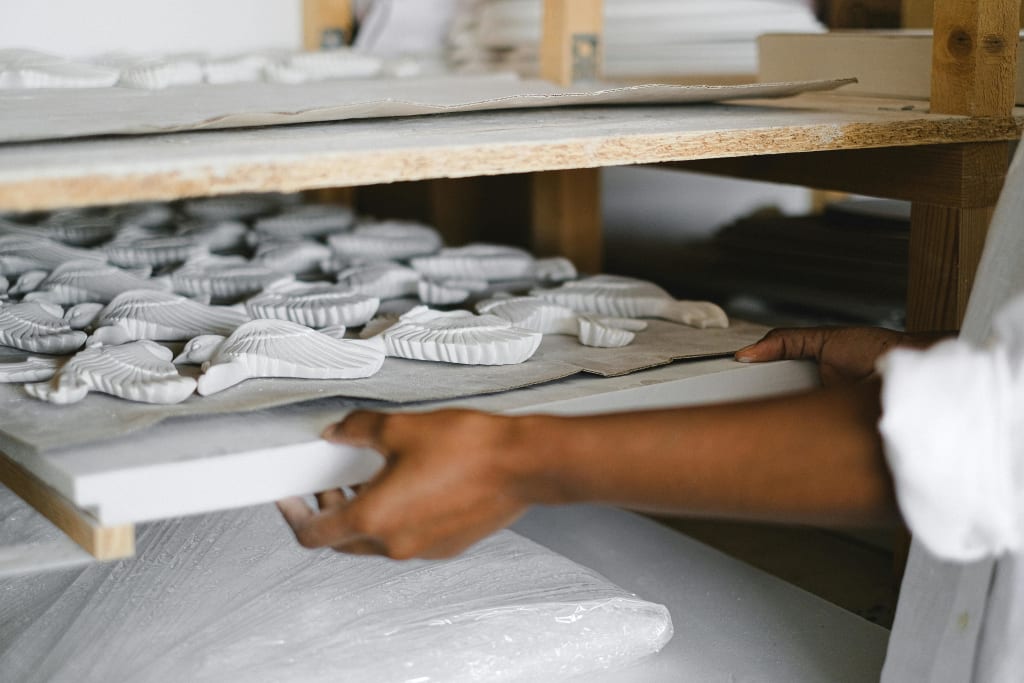
Ceramic pieces are cherished for their beauty, durability, and versatility. Whether it’s a delicate vase, handcrafted dinnerware, or an artistic sculpture, ceramic pieces add charm and elegance to your home. However, just like any other home decor item or functional object, they require proper care and maintenance to ensure longevity and maintain their aesthetic appeal. In this guide, we will discuss effective ways to care for and maintain your ceramic pieces, including cleaning, storage, and tips on protecting them from damage.
Why Proper Care is Important for Ceramic Pieces
Ceramics have been used for centuries in different cultures for both various purposes. Ceramic pieces are often made from materials like clay, porcelain, or stoneware, which are fired at high temperatures to achieve their durability and distinctive look. However, despite their sturdy nature, ceramic pieces are still prone to damage like chipping, cracking, and fading if not properly cared for. By taking the time to maintain and care for your ceramics, you can preserve their quality and beauty for years to come.
1. Understanding the Types of Ceramic Pieces
Before diving into the care and maintenance of ceramic pieces, it's essential to understand the different types of ceramics and how their specific characteristics affect their upkeep.
Porcelain: Porcelain ceramics are fine, translucent, and have a smooth, non-porous surface. These pieces tend to be delicate, and while they are more resistant to staining, they can be prone to chipping or cracking if handled roughly.
Stoneware: Stoneware is more durable and less porous than earthenware. It’s most often used for functional items like plates, bowls, and mugs. While it's relatively sturdy, stoneware still needs careful handling to avoid damage.
Earthenware: This type of ceramic is more porous and less dense than porcelain or stoneware, making it more susceptible to water absorption and staining. It’s often used for decorative pieces or hand-painted items that require extra care.
Each type of ceramic requires slightly different maintenance routines, so understanding the material your pieces are made from is key to keeping them in optimal condition.
2. Regular Cleaning of Ceramic Pieces
Cleaning your ceramic pieces regularly is crucial to maintaining their appearance and preventing damage. Here’s how you can clean different types of ceramic pieces effectively:
For Everyday Ceramic Pieces (Dinnerware, Mugs, etc.):
Handwashing is Best: Even if your ceramic dishes or mugs are labeled dishwasher safe, handwashing is gentler and helps prevent chips or cracks. Use mild dish soap and warm water to clean your ceramics, and avoid abrasive scrubbers that can scratch the glaze. A soft sponge or cloth is ideal for washing.
Avoid Extreme Temperatures: Sudden temperature changes can cause ceramic pieces to crack due to thermal shock. Avoid placing hot items directly in cold water or using them in the oven or microwave without checking their temperature tolerance.
For Decorative Ceramic Pieces:
Dusting: Decorative ceramic pieces, such as vases or sculptures, should be dusted regularly using a microfiber cloth or a soft-bristle brush. This prevents dust buildup, which can dull the surface over time.
Spot Cleaning: For pieces with intricate designs or textures, spot clean with a damp cloth. Be sure to dry them immediately with a soft towel to avoid water stains or moisture damage, especially for unglazed ceramic items.
Removing Stains: If your ceramic pieces have developed stains over time, particularly unglazed items like earthenware, make a paste of baking soda and water. Gently apply the paste to the stained area and wipe it off with a damp cloth. Do not use harsh chemicals or bleach, as these can damage the glaze or the material.
3. Proper Handling of Ceramic Pieces
Handling ceramic pieces carefully is key to preventing accidental damage. Here are some tips on how to protect your ceramics while using and moving them:
Lifting and Moving:
Use Both Hands: Always lift ceramic pieces with both hands, especially larger or heavier items like bowls, platters, or vases. This helps distribute the weight evenly and minimizes the risk of dropping or tipping the piece.
Avoid Dragging: Never drag ceramic pieces across surfaces like countertops or tables. Dragging can create scratches on both the ceramic piece and the surface underneath. Always lift the item fully when moving it.
For Functional Ceramics:
Avoid Overloading Shelves: If you have a collection of ceramic dinnerware or decorative pieces on display, ensure that shelves or storage areas can support their weight. Overloaded shelves can collapse, causing significant damage to your ceramic pieces.
Cushioning for Protection: For fragile or decorative ceramic pieces, place a soft, cushioned surface (like a felt pad or silicone mat) under the item to prevent scratching or slipping.
4. Storing Ceramic Pieces Safely
Proper storage is crucial for protecting your ceramic pieces when they’re not in use. Whether you're storing them long-term or rotating your decor seasonally, follow these storage tips:
For Dinnerware:
Stack Carefully: When stacking ceramic plates or bowls, place a soft separator, such as a felt pad or paper towel, between each item to prevent scratches and chips. Never stack too high, as the weight of the pieces can cause those at the bottom to crack or warp over time.
Upright Storage: For delicate or antique ceramic pieces, consider storing them upright in a display cabinet to reduce pressure on any one piece. This method also adds a decorative touch to your space while keeping your ceramics safe.
For Decorative Items:
Climate Control: Avoid storing ceramics in extreme temperatures or areas with high humidity, such as basements or attics. Excessive moisture can damage unglazed ceramics, while freezing temperatures can cause cracking.
Boxing for Safety: If you need to store ceramic pieces away for an extended period, wrap each piece individually in bubble wrap or soft cloth. Place them in a strong box with enough padding to prevent movement. Be sure to label the box as fragile to avoid mishandling.
5. Repairing Damaged Ceramic Pieces
Even with the best care, ceramic pieces may become chipped, cracked, or broken over time. Fortunately, many ceramic pieces can be repaired. Here’s what you can do:
For Minor Chips: If a ceramic piece has a small chip or nick, you can use a clear, food-safe epoxy to fill in the gap. Once dried, sand the area lightly to smooth it out. For colored ceramics, you may want to touch up the chipped area with paint that matches the original glaze.
For Cracked Ceramics: Small cracks can sometimes be repaired using a two-part epoxy resin. Apply the epoxy along the crack, and use a clamp to hold the pieces together until it cures. Once the epoxy has set, you can sand and paint over it to blend the repair with the rest of the piece.
For Broken Pieces: If your ceramic piece has completely broken into multiple parts, use a ceramic adhesive or strong epoxy to glue the pieces back together. Be sure to follow the product instructions carefully to ensure a secure bond. Keep in mind that some repairs may not restore the ceramic to its original strength, so handle the repaired piece gently.
6. Special Considerations for Antique or Valuable Ceramic Pieces
If you have antique or valuable ceramic pieces in your collection, they may require extra care and attention. Here’s how to protect these irreplaceable items:
Consult a Professional: If your ceramic piece is rare, antique, or holds significant sentimental value, it’s worth consulting a professional ceramic restorer for any repairs. DIY fixes can sometimes lead to further damage, particularly with fragile or delicate ceramics.
Avoid Excessive Handling: Limit how often you handle or move antique ceramics to reduce the risk of accidental damage. Display them in a secure area where they won’t be bumped or knocked over.
Use a Display Case: A display case can protect valuable ceramic pieces from dust, moisture, and accidental damage while allowing you to showcase them. Look for cases with UV-resistant glass to protect your ceramics from sunlight exposure, which can cause fading.
7. Preserving the Longevity of Ceramic Pieces
To ensure your ceramic pieces remain in excellent condition for years, consider the following long-term care tips:
Keep Away from Direct Sunlight: Prolonged exposure to direct sunlight can cause the glaze on ceramic pieces to fade or discolor over time. Display your ceramics in areas where they are shielded from strong sunlight, or use UV-blocking curtains to minimize light exposure.
Monitor Temperature and Humidity: Sudden changes in temperature or humidity can affect the structural integrity of ceramic pieces, especially if they are unglazed or porous. Keep your ceramics in climate-controlled areas, and avoid placing them near radiators or air conditioning units.
Rotate Displayed Pieces: If you have an extensive collection of ceramic pieces, consider rotating them seasonally to reduce wear and tear on individual items. This also keeps the decor fresh and dynamic.
Conclusion
Ceramic pieces are a timeless addition to any home, offering both beauty and function. Whether you're displaying a handmade vase, using ceramic dinnerware, or showcasing an intricate sculpture, proper care and maintenance are essential to preserving the integrity and appeal of your ceramics. You can order some of the cool ceramics for your house from TrueGethr, the best eBay alternative. By understanding the type of ceramic pieces you own, cleaning and storing them correctly, and handling them with care, you can ensure that your ceramic pieces will continue to enhance your home for years to come. With these practical tips, you’ll be well-equipped to enjoy and protect your ceramic treasures for generations.
About the Creator
Ruby
I am an enthusiastic writer with a pinch of creativity. I write compelling stories that will leave you astounded and satiated at the same time.
MUSIC
Why Music Is Way More Important Than Most People Think Honestly, music is one of those things we all use every single day, but we don’t really stop to think about how deep it actually goes. Like yeah, we play songs in the car, in the shower, while studying, or just when we’re bored. But music is doing way more than just filling up silence. It’s shaping how we feel, how we remember things, and even how we see the world, which is kinda crazy when you think about it.
By Beshoy Zayer3 days ago in Art
What Fine Line Tattoo Excellence Looks Like in Professional Practice
When you sit in the chair of one of the best fine line tattoo artists, you feel it straight away. The calm, the care, the way they handle your skin and your nerves at the same time. Fine line work looks light and effortless from the outside, but real excellence is anything but casual.
By Tools of Trade Studios4 days ago in Art




Comments
There are no comments for this story
Be the first to respond and start the conversation.