
Sparkle Within
How Bubbles Changed the Beverage World Forever
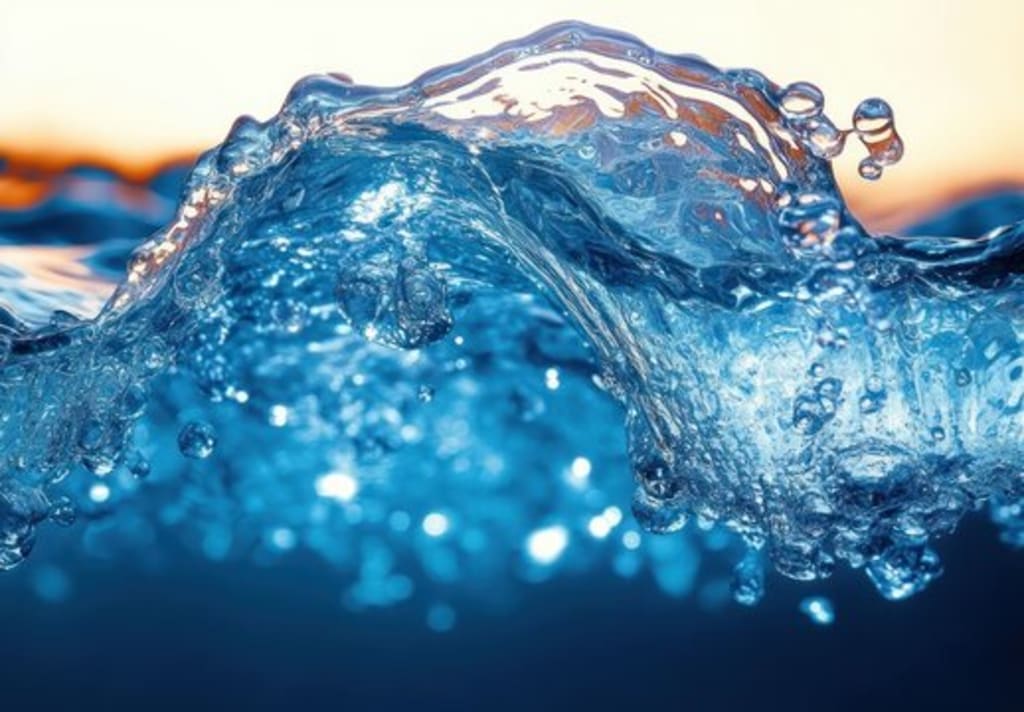
In the quiet hills of Harrogate, England, in the mid-18th century, a local doctor dipped his cup into a mineral spring and took a sip. The water danced on his tongue — sharp, lively, and unlike any still water he had ever tasted. That first fizz, naturally carbonated from the earth, began a centuries-long fascination with what we now call sparkling water.
But the sparkle’s true journey began with a man named Joseph Priestley, a clergyman and scientist who, in 1767, discovered a way to artificially infuse water with carbon dioxide. Inspired by the fermentation process at a nearby brewery, Priestley suspended a bowl of water above a vat of fermenting beer and found that the water became fizzy. He called this creation “impregnated water” — a name that thankfully didn’t stick — and believed it had health benefits. His invention was less about refreshment and more about remedy.
As Priestley shared his discovery, others took interest. Across the sea in Switzerland, a watchmaker named Jacob Schweppe refined Priestley’s method, building a process to bottle this magical, bubbly water. By the early 1800s, Schweppe’s sparkling water was gracing the tables of European elites. Royalty adored it. Aristocrats believed it to be a cure for ailments from indigestion to melancholy. Suddenly, carbonation was no longer just a scientific experiment — it was luxury.
Yet, the sparkle couldn’t be contained. By the late 19th century, America caught bubble fever. Soda fountains became the heartbeat of small towns, offering carbonated mineral water sometimes mixed with flavors. What started as medicinal soon turned into recreation. Flavored sodas followed, but at the core of it all was sparkling water — clean, fizzy, refreshing.
Fast forward to the 20th century, sparkling water had become both a health trend and a lifestyle symbol. Europe favored brands like Perrier and San Pellegrino, each sourced from natural springs, their stories bottled as carefully as the bubbles themselves. In America, new brands emerged, like LaCroix, offering calorie-free, flavored sparkling water with a bright design and even brighter marketing. It became the drink of choice for the health-conscious and the trend-savvy alike.
But the story wasn’t just about consumption — it was about connection. Sparkling water spoke of wellness, of sophistication, of something more than just quenching thirst. In offices, it replaced soda. In dinner parties, it stood proudly beside wine. In cafes, people ordered it with lemon or lime, feeling cleaner, lighter, fancier.
Yet not all saw sparkling water the same way. Some mocked it — “just angry water,” they’d say, or “soda’s boring cousin.” But those who loved it knew: it wasn’t about sugar or sweetness — it was about the experience. That burst of bubbles on your tongue. That soft hiss when you open the bottle. That quiet sparkle in a glass catching the light. It wasn’t just water. It was a moment.
Even during the environmental wave of the 2000s and 2010s, when single-use bottles were questioned, sparkling water didn’t fizzle out. Brands evolved. SodaStream allowed people to carbonate water at home, reducing waste and adding customization. Suddenly, the sparkle was personal. You could add bubbles to rainwater, if you wanted. The power was in your hands.
In many ways, sparkling water became a symbol of a changing world. A world that wanted pleasure without guilt. Luxury without excess. Taste without sugar. And amidst all that, the bubbles kept rising — delicate, persistent, joyful.
Today, whether you're sipping a lime-flavored seltzer at your desk or pouring mineral-rich Perrier into a crystal glass, you’re part of a long, fizzy legacy. A journey that began in the hills of Harrogate and the experiments of a curious scientist. A journey not just of taste, but of transformation.
Because in the end, sparkling water reminds us that even the most ordinary things — like water — can hold magic. That sometimes, the difference between still and extraordinary is just a little pressure. A little sparkle. A little something within.
About the Creator
Keep reading
More stories from Khalid khan and writers in Art and other communities.
Whispers of the Green Abyss
The sky was still dark when Ayaan stepped into the jungle. A heavy mist curled low over the forest floor, cloaking twisted roots and broken branches. Ancient trees stood like silent watchers, their thick trunks draped in moss and mystery. Each breath he took carried the scent of damp earth and wildness—a scent of something older than time.
By Khalid khan7 months ago in Art
Dog Shoes for Small Dogs and Puppy Shoes A Practical, Paw-Friendly Guide
Small dogs and puppies may look tough, but their paws often need more protection than people realize. Their bodies are lighter, their paws are smaller, and many of them spend a lot of time on surfaces that were never designed for delicate paw pads. Add cold sidewalks, hot pavement, rough gravel, wet grass, or even slippery indoor floors, and you start to see why dog footwear has become more than just a cute trend.
By aliyashahzadiabout 2 hours ago in Art



Comments
There are no comments for this story
Be the first to respond and start the conversation.