
Social Media & Mental Health
Scrolling Through Stress: How Social Media Shapes Our Minds
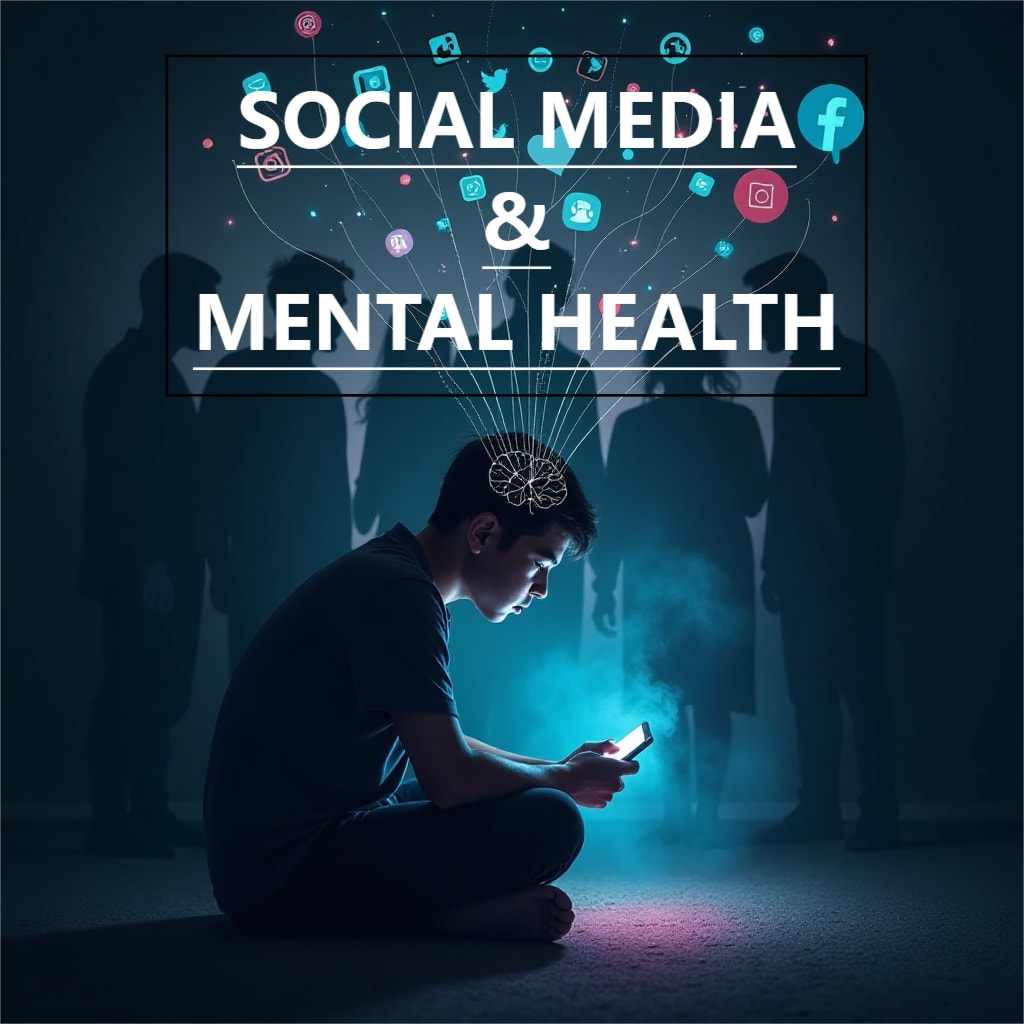
In the last two decades, social media has revolutionized how we communicate, express ourselves, and even perceive the world. Platforms like Instagram, TikTok, Facebook, and X (formerly Twitter) have become virtual extensions of our lives, influencing everything from our social relationships to our self-worth. While these platforms offer opportunities for connection and creativity, growing evidence suggests they also carry significant mental health risks. For many, the endless scroll is not just a habit—it’s a source of anxiety, self-doubt, and emotional exhaustion.
The Allure and Trap of the Digital World
Social media platforms are engineered for engagement. They thrive on algorithms designed to keep users scrolling, liking, sharing, and returning. These mechanisms stimulate the brain's reward center, releasing dopamine—a neurotransmitter associated with pleasure and addiction. Over time, many users develop a compulsive relationship with social media, checking notifications or feeds dozens, even hundreds, of times per day.
This constant engagement blurs the line between online and offline identity. We begin to curate our lives for digital approval, measuring personal value through likes, shares, and follower counts. This can breed a form of psychological dependency, where one’s self-esteem becomes closely tied to online validation.
Comparison and Self-Esteem: The Highlight Reel Effect
One of the most pervasive mental health consequences of social media is the phenomenon of social comparison. Users often compare their real lives to the carefully edited highlight reels of others—vacations, achievements, ideal bodies, or perfect relationships. This can lead to a distorted perception of reality and foster feelings of inadequacy, jealousy, or failure.
For adolescents and young adults, who are still forming their identities, this constant comparison can be especially damaging. Research has linked frequent social media use with low self-esteem, body image issues, and increased risk of depression, especially among teen girls. The pressure to maintain an ideal online persona can be mentally exhausting and emotionally draining.
Anxiety, Depression, and FOMO
Social media has also been linked to increased anxiety and depression. The Fear of Missing Out (FOMO) is a common feeling among users who perceive others as having more exciting or fulfilling lives. FOMO can lead to chronic dissatisfaction, disrupt sleep, and increase social anxiety. For some, it evolves into a cycle of compulsively checking feeds for updates, which further reinforces negative emotions.
Moreover, online interactions often lack the emotional nuance of face-to-face communication. Misunderstandings are more likely, and the anonymity of digital platforms can facilitate cyberbullying and harassment—further contributing to stress and mental health struggles.
Sleep Disruption and Mental Fatigue
Excessive screen time, particularly before bed, is another factor that impacts mental health. The blue light emitted by phones and tablets interferes with melatonin production, disrupting circadian rhythms and reducing sleep quality. Poor sleep, in turn, is linked to heightened emotional reactivity, irritability, and long-term mood disorders. The mental fatigue from being constantly connected also erodes attention spans and increases the likelihood of burnout.
Social Media During Crises
During global crises—such as the COVID-19 pandemic, wars, or natural disasters—social media becomes a double-edged sword. On one hand, it offers essential updates, support communities, and a sense of connection. On the other hand, it can amplify panic, spread misinformation, and overload users with negative content. Doomscrolling, or the compulsive consumption of distressing news, can lead to heightened stress and a sense of helplessness.
Toward a Healthier Digital Relationship
Despite its pitfalls, social media is not inherently harmful. Like any tool, its impact depends on how it is used. Creating a healthier relationship with these platforms requires awareness, intentionality, and sometimes intervention.
Here are a few ways to promote mental well-being in the digital age:
Digital Detoxing: Taking regular breaks from social media—whether for hours, days, or longer—can help reset mental focus and improve mood.
Mindful Usage: Being conscious of why and how you use social media can reduce compulsive behavior. Are you checking your phone out of boredom or habit? Is it adding value or draining energy?
Curating Feeds: Unfollow accounts that trigger negative feelings and follow those that promote positivity, learning, or genuine inspiration.
Time Limits: Use built-in tools or apps to monitor and limit screen time.
Offline Connections: Prioritize in-person interactions and activities that ground you in the present moment.
Conclusion
Social media is a powerful force shaping modern mental health. While it offers community, creativity, and information, it also fosters comparison, stress, and emotional volatility. By understanding its psychological effects and taking proactive steps, users can regain control and create a more balanced, nourishing relationship with their digital lives. The goal is not to eliminate social media, but to use it in ways that support rather than sabotage mental well-being. In a world constantly online, the most revolutionary act may be to look up, log off, and reconnect—with ourselves and the world around us.
About the Creator
What is abstract sculpture?
Abstract art often feels mysterious because it does not rely on recognizable figures, realistic animals, or a clear narrative. Abstract sculpture follows the same principle. Rather than imitating the real world, it uses form, line, surface, volume, and space to convey ideas, movement, or emotion.
By Shenzhen Ruiheng Crafts7 days ago in Art
Smart phones, Humans and Aliens.
WARNING. I will be tapping into one of your favorite creative tensions: The absurdity of humans worshipping their glowing rectangles as if they were tiny oracles. There’s something deliciously poetic about that contradiction, and it lends itself beautifully to an instructive proviso.
By Novel Allen5 days ago in Poets


Comments
There are no comments for this story
Be the first to respond and start the conversation.