
Roots of Survival: The Vital Role of Green Spaces
Exploring How Nature Sustains Our Health, Climate, and Communities
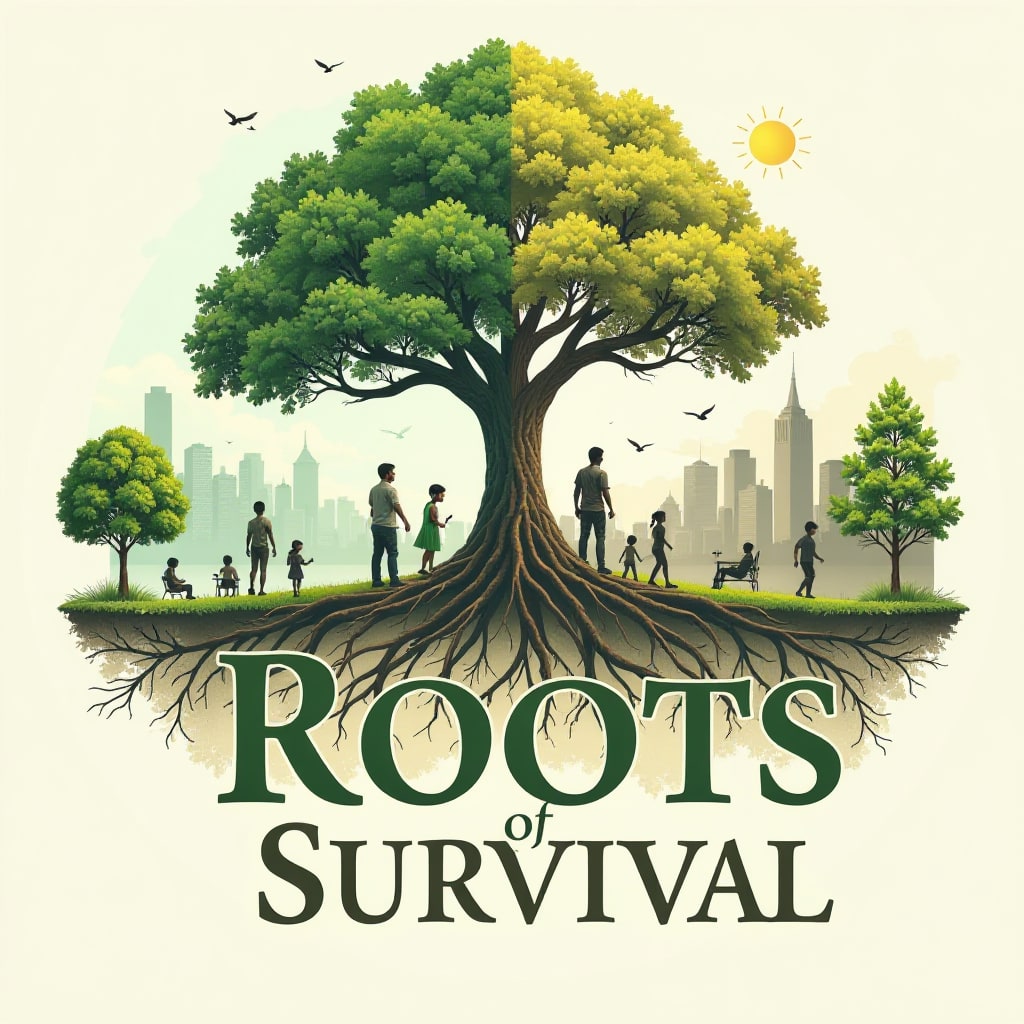
In a world rapidly urbanizing and industrializing, green spaces stand as quiet yet powerful guardians of life. From city parks to community gardens, forests to wetlands, these patches of nature provide more than aesthetic relief; they are essential for sustaining health, balancing the climate, and nurturing the social fabric of communities. The importance of greenery goes beyond its visual charm—it is deeply rooted in our survival, both as individuals and as a planet.
Health and Well-Being
One of the most immediate benefits of green spaces is their impact on physical and mental health. Studies have shown that people who live near parks and natural environments tend to be more physically active, suffer less from stress, and report higher levels of happiness and well-being. Greenery acts as a natural antidepressant. The simple act of walking among trees or sitting in a garden can lower blood pressure, reduce anxiety, and improve mood. In hospitals, patients with a view of trees often recover faster than those who stare at blank walls.
Children, too, benefit enormously from access to nature. Playing outdoors in green areas enhances cognitive development, creativity, and attention span. It also reduces symptoms in children with attention-deficit disorders. In an age where screens dominate leisure time, green spaces offer a much-needed escape into a healthier, more balanced lifestyle.
Climate Regulation and Environmental Balance
Green spaces play a critical role in moderating the effects of climate change. Trees and plants absorb carbon dioxide—a major greenhouse gas—and release oxygen, making them essential allies in the fight against global warming. Urban forests help reduce the "heat island" effect, where concrete and asphalt absorb and retain heat, leading to higher temperatures in cities compared to surrounding rural areas.
Moreover, greenery contributes to better air quality. Leaves and plant surfaces capture particulate matter, dust, and pollutants, effectively filtering the air we breathe. This is especially crucial in urban centers, where pollution-related respiratory diseases are on the rise. Green areas also aid in managing water resources by reducing runoff, preventing floods, and replenishing groundwater through natural absorption.
Social and Community Strengthening
Green spaces foster community interaction and social cohesion. Parks, community gardens, and green corridors serve as gathering spaces where people from different backgrounds can meet, interact, and build relationships. These interactions help reduce social isolation, encourage civic engagement, and create a stronger sense of belonging.
Urban greenery can also contribute to reduced crime rates. Research has suggested that well-maintained green areas are linked to lower levels of aggression and violence. They offer positive environments for youth engagement, drawing people away from negative influences and encouraging constructive social behavior.
Biodiversity and Ecological Health
Beyond human benefits, green spaces are critical habitats for flora and fauna. Insects, birds, mammals, and native plant species depend on green zones to survive, especially in urban environments where natural ecosystems are fragmented or disappearing. Preserving and expanding these spaces helps protect biodiversity, maintain food chains, and support ecological balance.
Community-based green initiatives, like planting native species or restoring urban wetlands, contribute directly to conservation efforts. Even small efforts—such as rooftop gardens, green walls, or balcony plants—play a role in creating urban ecosystems that can support pollinators like bees and butterflies.
Greenery as a Tool for Sustainability
Investing in green infrastructure is an essential part of building sustainable cities. Green roofs reduce energy consumption by providing insulation. Tree-lined streets improve walkability and encourage cycling, reducing dependence on cars. Sustainable urban planning that integrates greenery at all levels—from residential yards to public spaces—creates cities that are not only livable but also resilient to environmental challenges.
Governments and urban planners are beginning to recognize this. Many cities are adopting "green belts," establishing tree-planting campaigns, and designing eco-parks to improve environmental and social quality. These initiatives prove that greenery is not a luxury but a necessity.
Conclusion
The roots of our survival are literally and metaphorically entwined with the green spaces around us. Nature offers a blueprint for resilience, health, and harmony, and it is up to us to protect and expand it. As the challenges of climate change, mental health crises, and urban overcrowding continue to grow, the role of greenery becomes even more vital. Embracing and nurturing our green spaces is not just about preserving beauty—it’s about securing a future where both people and the planet can thrive.
About the Creator
What is abstract sculpture?
Abstract art often feels mysterious because it does not rely on recognizable figures, realistic animals, or a clear narrative. Abstract sculpture follows the same principle. Rather than imitating the real world, it uses form, line, surface, volume, and space to convey ideas, movement, or emotion.
By Shenzhen Ruiheng Crafts7 days ago in Art
How Tattoo Parlours in Cape Town Help Clients Feel Comfortable and Informed
Walking into a tattoo parlour in cape town for the first time can feel strange. You are trusting someone with your skin, your story, and a design you might wear for life. It is normal to feel excited and scared at the same time.
By Tools of Trade Studios5 days ago in Art


Comments
There are no comments for this story
Be the first to respond and start the conversation.