
Silent Instruments: The Uncertain Future of Afghan Music
Exploring the Challenges Facing Afghanistan's Musical Heritage and the Struggle to Keep Traditional Instruments Alive

Silent Instruments: The Uncertain Future of Afghan Music
Author: Islahmuddin Feroz, Former Professor, Department of Music, Faculty of Fine Arts, Kabul University
Abstract
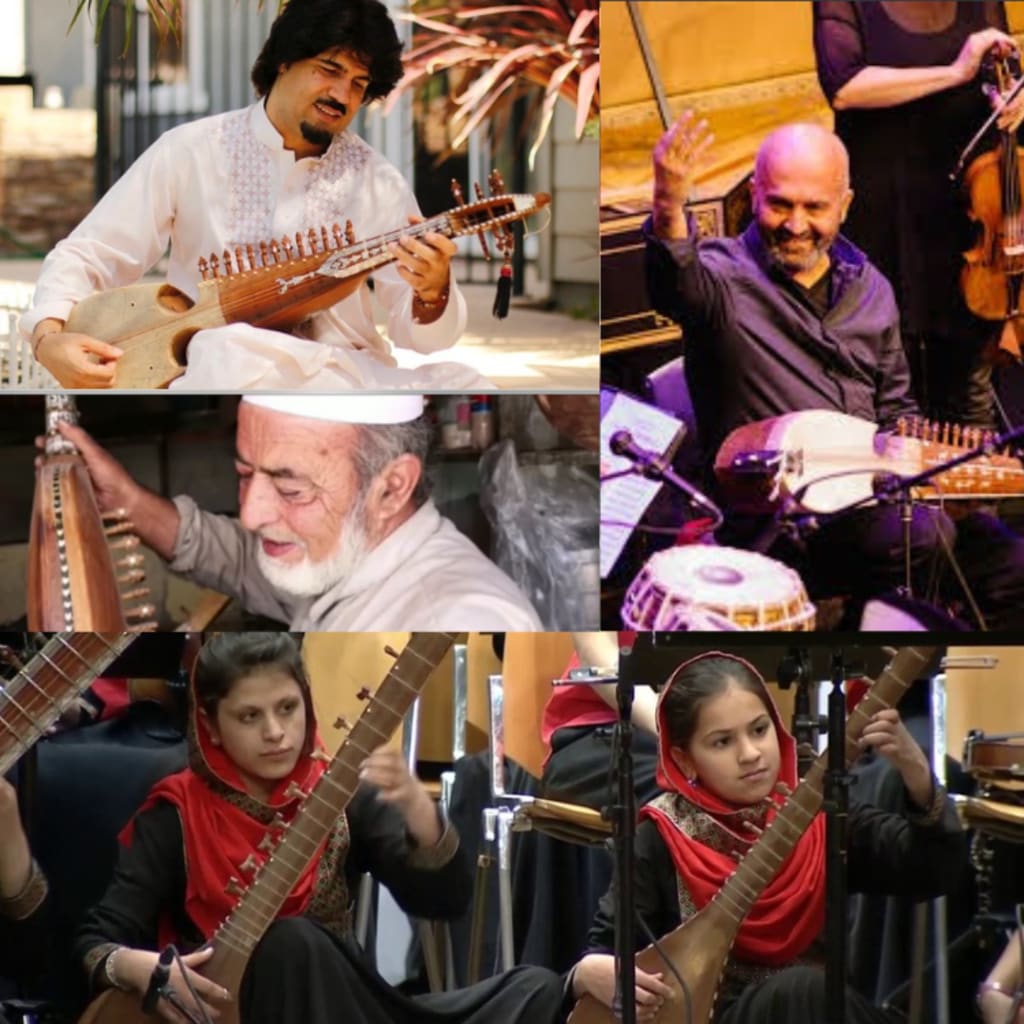
Afghanistan is a land rich in melodies, songs, and diverse musical instruments. Various ethnic groups live in this country, each with distinct languages, cultures, traditions, dialects, and climates, and their music reflects unique beauty and characteristics. When different instruments are played, remarkable diversity and dynamism can be observed in musical expressions. These songs emerge from the peaks of towering mountains, deep valleys, and roaring rivers, representing the love, pride, and freedom of the people. However, these valuable sounds are now silenced under the shadow of hatred and threats from extremist groups and are increasingly at risk of disappearance. This article provides a brief overview of the impacts of extremist policies on Afghan music and the uncertain future of this cultural heritage.
Keywords: Music, Afghanistan, Artists, Taliban, Culture, Traditional Music.
Introduction
With the rise of the Taliban in Afghanistan, music was officially banned; playing, listening to, and even making musical instruments were considered crimes. Indigenous and traditional artists, the bearers of the country’s rich cultural heritage, faced threats, harassment, and even torture in many regions. This systematic suppression not only silenced musical voices but also put Afghanistan’s cultural diversity and artistic identity at severe risk. Today, it is evident that Afghan music — one of humanity’s most precious intangible heritages — is facing unprecedented threats, and its future remains shrouded in uncertainty and doubt.
The Consequences of Music Suppression
The continuation of the Taliban’s repressive policies could seriously threaten Afghanistan’s musical heritage, a unique treasure of the country’s history, culture, and identity. Over time, this negative trend may destroy many of the rich cultural assets of Afghan music. A significant part of this heritage includes ancient instruments, songs, melodies, and dances that have been passed down orally for centuries, as well as seasonal and ceremonial music closely tied to festivals, rituals, and the changing seasons.
Traditional Afghan music is not merely sounds and instruments; it is a mirror reflecting the linguistic, literary, and cultural beauty of the country’s diverse ethnic groups. With ongoing bans and suppression, many musicians, masters, and instrument makers may no longer be present, and these melodies may gradually fade from memory. This process not only leads to cultural impoverishment in Afghanistan but also limits the country’s ability to represent its art and culture both regionally and internationally. If this trend continues, Afghanistan’s music and art, which form the backbone of the people’s identity, will be at risk of complete destruction. Therefore, the world and the region need Afghanistan to be active in the field of arts and culture, especially music, in order to maintain its cultural standing. Otherwise, Afghanistan will remain culturally and economically disadvantaged in this vital sector, losing valuable opportunities to showcase its rich heritage to the world.
Efforts and Hopes
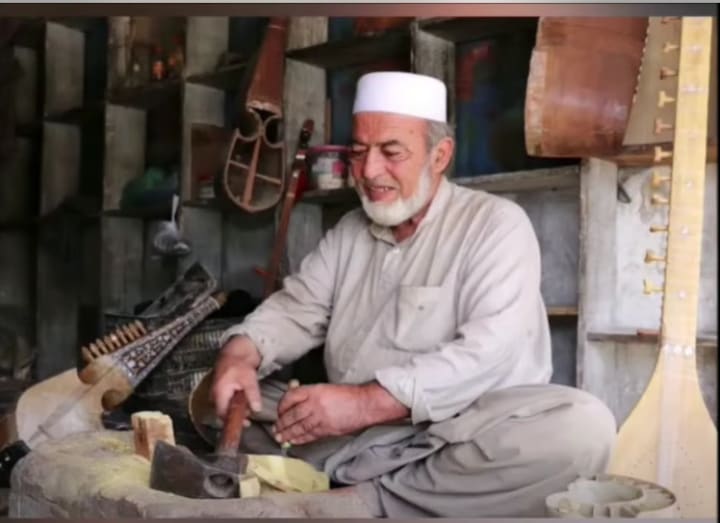
The Taliban’s ban on music forced many Afghan artists either to abandon their profession or migrate to other countries. Those who have migrated strive to preserve Afghanistan’s musical identity and keep its musical traditions alive. Artists such as Dr. Ahmad Naser Sarmast and Khalid Arman are among those who work to sustain authentic Afghan music. Likewise, artists such as Ustad Asif, Ustad Ghulam Hussain, Homayoun Sakhi, Murad Sarkhosh, Dawood Pezman, and several others have continued their valuable efforts to preserve and sustain Afghanistan’s traditional music abroad. In neighboring countries, including Pakistan, Iran, Uzbekistan, and Tajikistan, Afghan musicians are also working to keep their country’s traditional and folk music alive. Afghan music is a rich blend of styles, modes, and melodies, accompanied by a wide variety of instruments. Therefore, preventing its complete disappearance requires the cooperation of the international community and active support from artists both inside and outside Afghanistan. Despite the challenges and restrictions, hope remains alive. Every small effort to teach, record, and revive traditional music is an effective step toward preserving the cultural identity of the Afghan people. Future generations will only be able to take pride in their country’s music if this heritage is carefully and lovingly safeguarded today. Preserving Afghan music is not only a national responsibility but also a human and global duty that can bring the sounds of peace, art, and culture of this land to the world.
Conclusion
Afghan music, with its deep roots in history, tradition, and cultural diversity, represents far more than melodies and instruments; it embodies the identity, resilience, and collective memory of its people. The Taliban’s repressive policies have placed this invaluable heritage under grave threat, silencing voices that for centuries carried the pride, spirit, and stories of Afghanistan. Yet, amidst suppression, Afghan artists inside and outside the country continue to strive toward safeguarding and reviving this cultural treasure, proving that music remains an unyielding force of hope and resistance.The survival of Afghan music requires more than isolated efforts; it demands collective action. Support from the international community, collaboration among exiled and local musicians, and recognition of Afghan music as an essential part of the world’s intangible cultural heritage are vital steps to prevent its disappearance. Protecting Afghan music is not only about saving art — it is about preserving the cultural soul of a nation, ensuring that future generations inherit a legacy of creativity, identity, and pride. In the end, Afghan music must not be allowed to vanish into silence. Instead, it should continue to echo as a universal language of peace, unity, and resilience, reminding the world that even in the darkest times, the human spirit finds expression through art.
About the Creator
Prof. Islamuddin Feroz
Greetings and welcome to all friends and enthusiasts of Afghan culture, arts, and music!
I am Islamuddin Feroz, former Head and Professor of the Department of Music at the Faculty of Fine Arts, University of Kabul.
Keep reading
More stories from Prof. Islamuddin Feroz and writers in Art and other communities.
The Tale of a Stranger Instrument
The Tale of a Stranger Instrument Yes! Who am I? I am the one who once played in the courts of kings; trembled in the hands of scholars; resounded in the ghazals of poets, and was a companion in the solitude of lovers. I was the instrument of tears and joys, the solace of lonely nights, and the fellow traveler of hopeful days. They held me close, let the fingers of love glide across my strings, and poured their deepest secrets into my soul.
By Prof. Islamuddin Feroz4 months ago in Art
What Voice Cloning Technology Means for Creators and Digital Identity
The rise of artificial intelligence has reshaped the creative landscape in countless ways, from AI-generated visual art to automated music composition, and one of the most intriguing frontiers today is voice cloning. With tools that let users clone your voice using only a short sample of speech, creators and digital communicators are discovering new ways to produce audio content that feels natural and expressive.
By aliyashahzadi4 days ago in Art



Comments
There are no comments for this story
Be the first to respond and start the conversation.