
Shiv Murti Statue: A Timeless Symbol of Spiritual Power and Divine Presence
The Shiv Murti statue is more than a work of art—it is a powerful representation of faith, serenity, and divine energy.
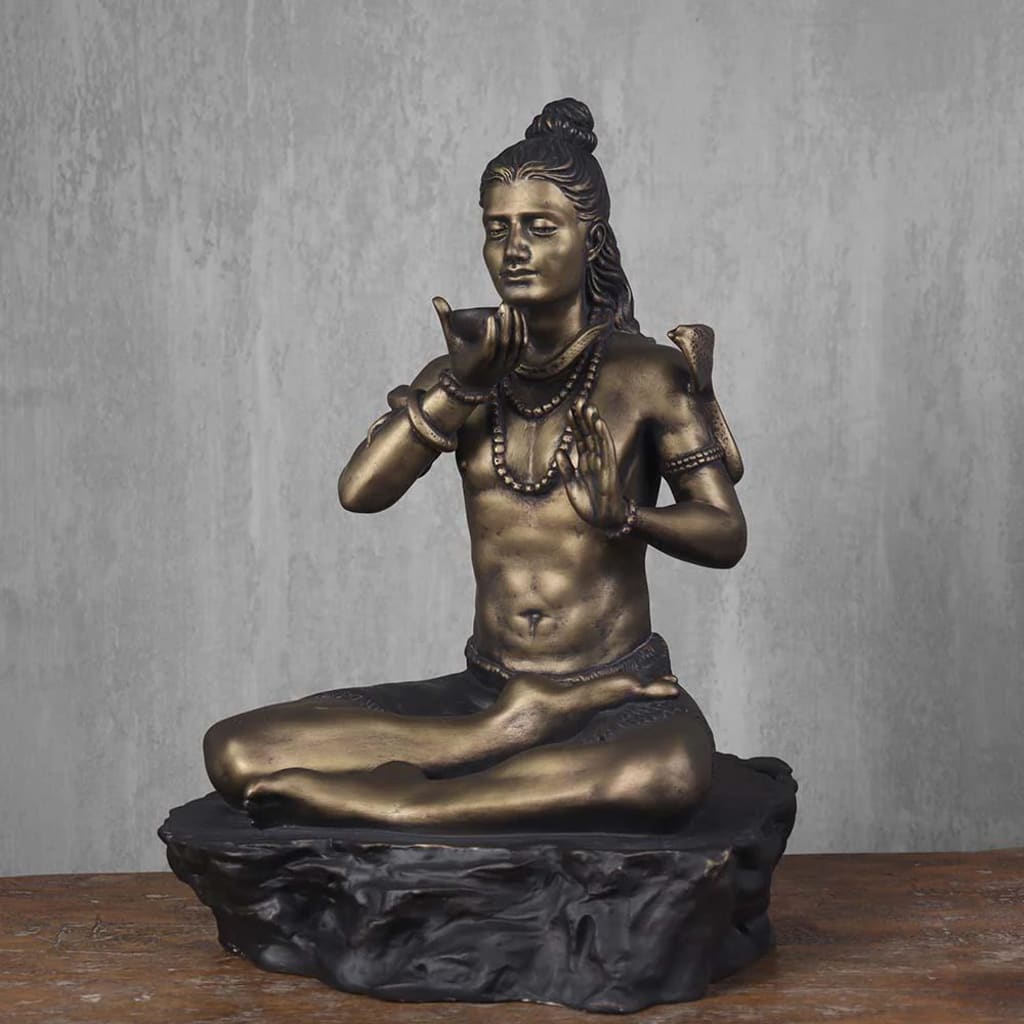
The Shiv Murti Statue is more than a work of art—it is a powerful representation of faith, serenity, and divine energy. Lord Shiva, known as Mahadev or the Destroyer in Hinduism’s holy trinity, is worshipped as the embodiment of transformation, cosmic rhythm, and spiritual balance. Whether placed in a temple, a home, or as a monumental public installation, a Shiv Murti invokes peace, strength, and sacred energy.
What Is a Shiv Murti?
A Shiv Murti (Murti meaning idol or statue) is a sculptural representation of Lord Shiva, one of the most revered deities in Hinduism. These statues come in many forms, each capturing a different aspect of Shiva’s persona:
• Nataraja (Lord of Dance) – Symbolizing creation and destruction through cosmic dance.
• Meditative Shiva – Depicting deep tranquility and self-mastery.
• Ardhanarishvara – A form combining Shiva and Parvati, symbolizing the union of masculine and feminine.
• Shiva with Trishul and Damru – Showing his warrior-like power and control over time and space.
Many Shiv Murtis also feature Nandi (the bull), Shiva's vahana (vehicle), sitting loyally at his feet.
Cultural and Spiritual Significance
Lord Shiva represents the power of inner stillness, transformation, and the destruction of ego and illusion. A Shiv Murti serves as a spiritual anchor, reminding devotees of qualities such as:
• Detachment and devotion
• Meditation and mindfulness
• Courage and discipline
• Balance between destruction and creation
The statue itself becomes a point of focus for prayer, meditation, and inner reflection.
Popular Locations of Grand Shiv Murti Statues
India is home to several iconic and massive Shiv Murti statues that attract millions of visitors and devotees each year. A few notable ones include:
1. Kailashnath Mahadev (Sanga, Nepal)
• One of the tallest Shiva statues in the world, standing at 143 feet.
• A symbol of Indo-Nepali cultural unity and spiritual devotion.
2. Murudeshwar Shiva Statue (Karnataka)
• Towering at 123 feet, this statue is located beside the Arabian Sea and is part of the famous Murudeshwar Temple complex.
3. Namchi (Sikkim) Shiva Statue
• Standing at 108 feet, this statue overlooks the beautiful Himalayan landscape and is part of the Siddhesvara Dham complex.
4. Haridwar Shiv Murti (Uttarakhand)
• A serene depiction of Lord Shiva near Har Ki Pauri, offering divine solace to pilgrims in the holy city.
Materials and Craftsmanship
Shiv Murti statues are made using a variety of materials, each lending its own character:
• Marble – Popular for home temples; symbolizes purity and elegance.
• Bronze or Panchaloha (five-metal alloy) – Traditional material used in temples, believed to store spiritual energy.
• Granite or Stone – Often used for large outdoor statues due to durability.
• Resin and Fiberglass – Lightweight options used in modern installations and commercial spaces.
Master sculptors, often trained in traditional iconography, follow ancient guidelines like the Shilpa Shastra to maintain spiritual accuracy in proportions and posture.
Shiv Murti in Homes and Offices
Today, many people install Shiv Murtis in homes, offices, and meditation rooms for both spiritual and aesthetic purposes. Key placement tips include:
• North or northeast direction is ideal as per Vastu Shastra.
• The idol should face the devotee during prayers.
• It is considered auspicious to keep a clean and dedicated space for the murti with regular offerings of flowers, incense, and water.
Final Thoughts
A Shiv Murti statue is not just a religious idol—it is a symbol of universal consciousness, strength in silence, and the cycle of creation and destruction. Whether you're a devotee, a spiritual seeker, or an art lover, having a Shiv Murti in your space invites a sense of divine calm, cosmic connection, and inner balance.
About the Creator
Keep reading
More stories from Studio Renaissance and writers in Art and other communities.
Shiv Murti Statue – A Majestic Symbol of Divinity and Spiritual Power
The Shiv Murti Statue, also known as the statue of Lord Shiva, stands as a powerful emblem of peace, spirituality, and cosmic strength in Hinduism. Whether found in temples, spiritual retreats, or open public spaces, a Shiv Murti commands attention with its serene expression and symbolic significance. It’s more than just a sculpture—it’s a sacred representation of the Supreme Being, admired and worshipped by millions around the world.
By Studio Renaissance11 months ago in Art
'Till Death We Do Art
There would be nothing divine in this world without art. Nature may surpass the divine to all intents and purposes, but like everything it absorbs and is absorbed by, it remains here, stuck on the surface of this world, ever-present, physically bound to the universe.
By Avocado Nunzella BSc (Psych) -- M.A.P 28 days ago in Art




Comments
There are no comments for this story
Be the first to respond and start the conversation.