
Shiv Murti Statue – A Majestic Symbol of Divinity and Spiritual Power
The Shiv Murti Statue, also known as the statue of Lord Shiva, stands as a powerful emblem of peace, spirituality, and cosmic strength in Hinduism.
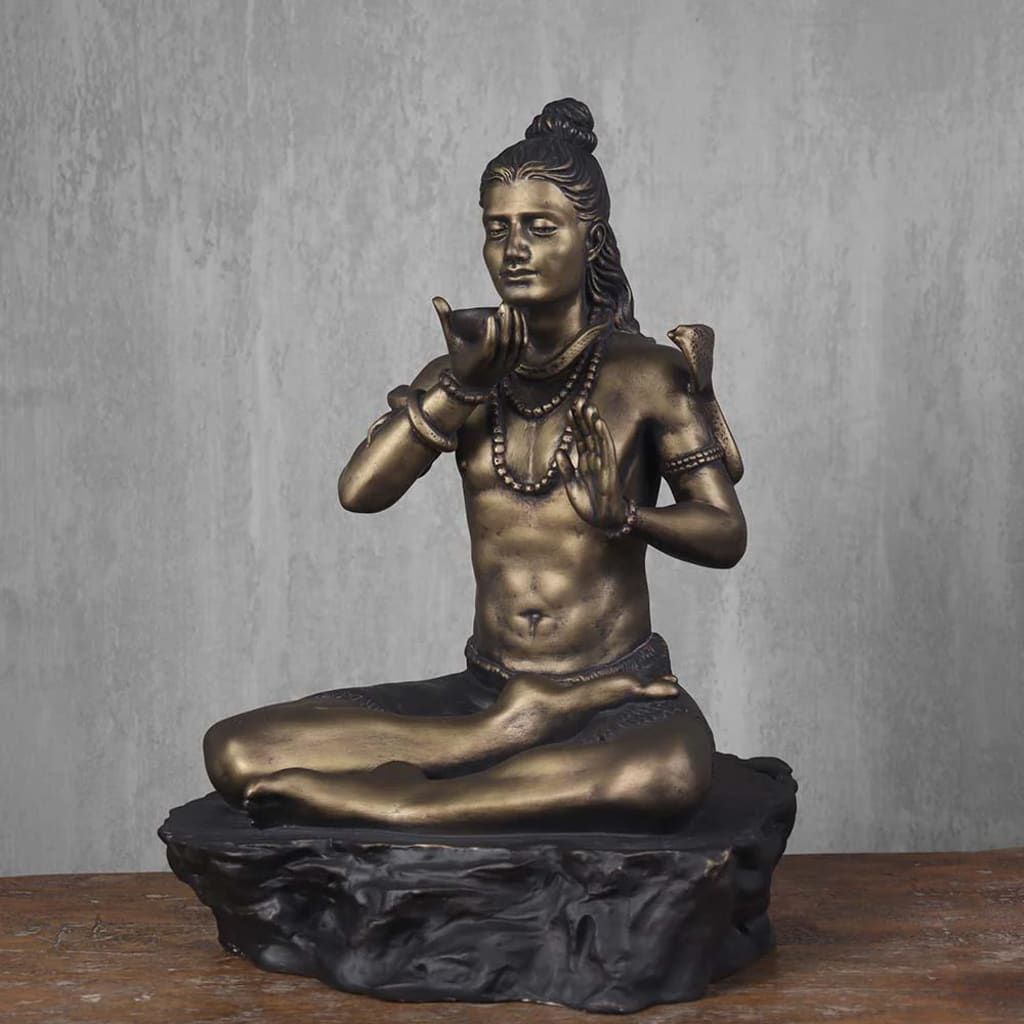
The Shiv Murti Statue, also known as the statue of Lord Shiva, stands as a powerful emblem of peace, spirituality, and cosmic strength in Hinduism. Whether found in temples, spiritual retreats, or open public spaces, a Shiv Murti commands attention with its serene expression and symbolic significance. It’s more than just a sculpture—it’s a sacred representation of the Supreme Being, admired and worshipped by millions around the world.
Who is Lord Shiva?
Lord Shiva is one of the principal deities in the Hindu trinity, alongside Brahma (the creator) and Vishnu (the preserver). Shiva is known as “The Destroyer”, but this destruction is not chaos—it symbolizes transformation and the end of illusions. Lord Shiva represents the eternal cycle of creation, preservation, and dissolution in the universe.
He is often depicted with:
• A third eye symbolizing wisdom and insight
• The crescent moon on his head
• The Ganga River flowing from his hair
• A snake coiled around his neck
• The trishul (trident) as his weapon
• The damaru (drum), representing the sound of creation
The Significance of a Shiv Murti Statue
A Shiv Murti (statue of Lord Shiva) is more than an artistic creation; it is a spiritual presence. It is placed in homes, temples, and outdoor shrines to inspire devotion, bring mental peace, and ward off negative energies.
Spiritual Importance:
• Meditation and Focus: The calm expression on the Shiv Murti helps devotees focus during meditation and prayer.
• Blessings of Protection and Power: Devotees believe Lord Shiva protects from evil and grants strength to overcome obstacles.
• Symbol of Balance: The statue reminds people to balance the material and spiritual aspects of life.
Famous Shiv Murti Statues in India
1. Kailashnath Mahadev Statue (Nepal/India border) – Standing at 143 feet, it is one of the tallest statues of Lord Shiva in the world.
2. Murudeshwar Shiva Statue (Karnataka) – A towering 123-feet statue near the Arabian Sea, captivating in its grand scale and detail.
3. Adiyogi Shiva Statue (Coimbatore, Tamil Nadu) – Recognized by the Guinness World Records as the largest bust sculpture (112 feet), representing the source of yoga.
4. Har Ki Pauri Shiva Statue (Haridwar, Uttarakhand) – A beloved image for pilgrims visiting the holy Ganga.
Materials Used in Shiv Murtis
Shiv Murti statues come in various materials depending on size, setting, and artistic intention:
• Marble: Often used for home and temple settings, known for elegance and purity.
• Bronze: Durable and traditional for temple sculptures.
• Stone: Common for large outdoor installations.
• Fiberglass or Resin: Lightweight and increasingly popular for modern constructions.
Placing a Shiv Murti at Home
For spiritual energy to flow freely, it's important to place the Shiv Murti according to Vastu Shastra (Indian architecture science):
• Ideally in the northeast corner of the home or prayer room.
• Always face the statue towards the east or north.
• Avoid placing broken or damaged murtis.
• Keep the space clean and sacred, with regular prayers or offerings.
Conclusion
The Shiv Murti Statue is a timeless representation of Lord Shiva’s divine presence. It brings a sense of serenity, devotion, and protection wherever it stands. Whether viewed as a sacred object of worship or an awe-inspiring piece of art, the Shiv Murti continues to inspire millions, connecting the physical world with the spiritual realm.
About the Creator
Keep reading
More stories from Studio Renaissance and writers in Art and other communities.
Shiv Statue: Symbol of Divine Power, Peace, and Presence
The Shiv Statue is more than just a sculpture—it's a spiritual symbol that represents the cosmic power, wisdom, and stillness of Lord Shiva, one of the principal deities of Hinduism. Whether placed in a temple, a home, or as a monumental installation, the presence of a Shiv statue radiates calm, energy, and devotion.
By Studio Renaissance11 months ago in Art
'Till Death We Do Art
There would be nothing divine in this world without art. Nature may surpass the divine to all intents and purposes, but like everything it absorbs and is absorbed by, it remains here, stuck on the surface of this world, ever-present, physically bound to the universe.
By Avocado Nunzella BSc (Psych) -- M.A.P 28 days ago in Art
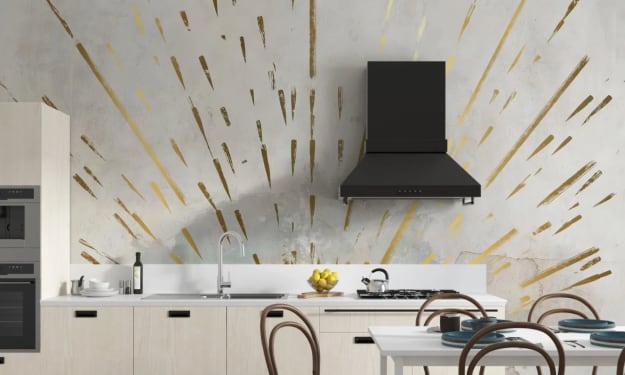
Modern Wall Decor Ideas with Bathroom Wallpaper and Kitchen Wallpaper
Creating Beautiful Interiors with Wall Decor A well-designed home begins with thoughtful wall decor choices that reflect both style and personality. Walls are often the largest surfaces in any room, so the way they are decorated has a major impact on the overall atmosphere of a space. From minimalist textures to bold decorative patterns, modern wall design has evolved into an important part of interior styling. By choosing decorative elements that complement furniture, lighting, and color palettes, homeowners can create a balanced and inviting environment that feels both comfortable and visually appealing.
By Wallanza Wallpaper4 days ago in Art



Comments
There are no comments for this story
Be the first to respond and start the conversation.