
Shiv Murti Statue: A Symbol of Devotion and Spiritual Grandeur
The Shiv Murti (Shiva Statue) is more than just a sculpture—it's a powerful emblem of faith, culture, and divine strength.
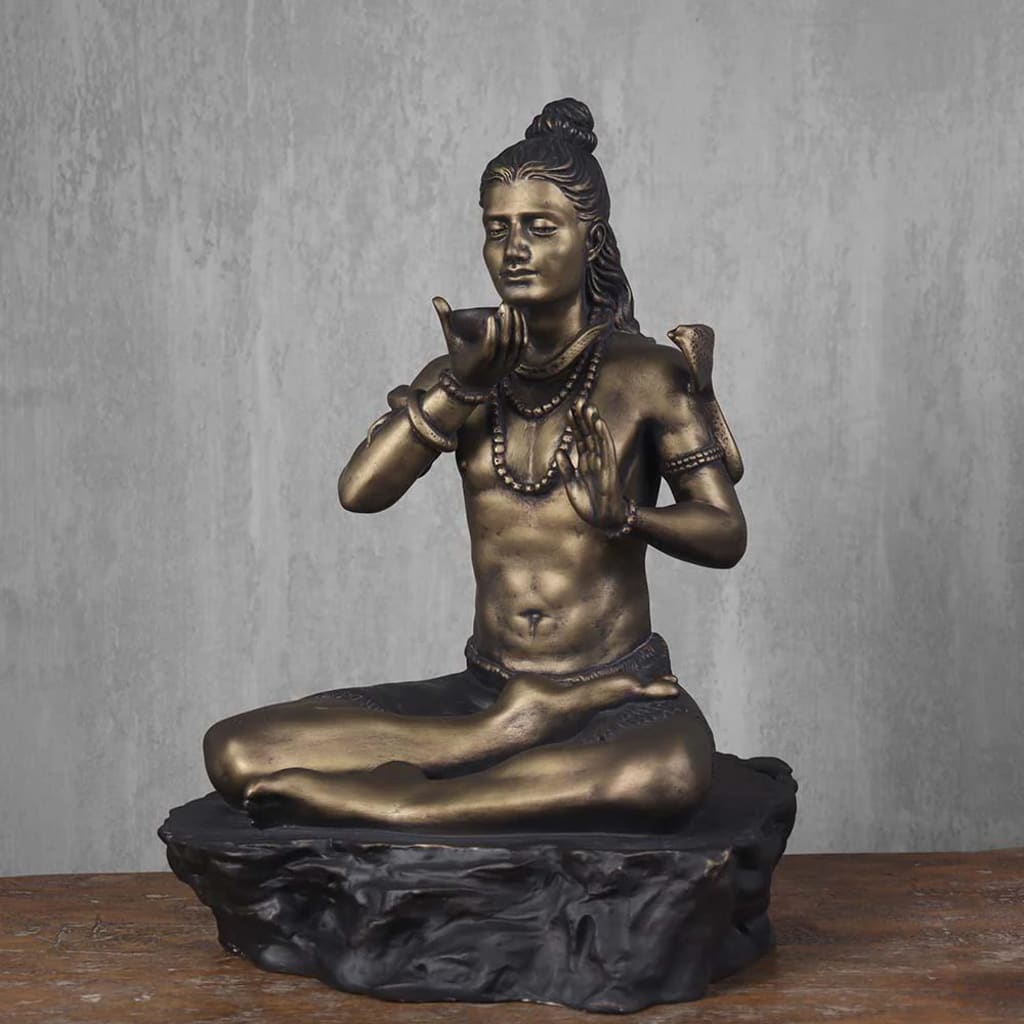
The Shiv Murti (Shiva Statue) is more than just a sculpture—it's a powerful emblem of faith, culture, and divine strength. Depicting Lord Shiva, one of the principal deities in Hinduism, Shiv Murti Statues can be found across temples, spiritual sites, and even home altars, offering a visual connection to the Supreme Destroyer and Transformer in the Hindu trinity.
Who Is Lord Shiva?
Lord Shiva is one of the most revered gods in Hinduism, known for his complex personality—both serene and fierce. As the destroyer of evil and ignorance, Shiva is also the god of meditation, asceticism, and transformation. He is often shown seated in deep meditation, dancing as Nataraja (Lord of Dance), or standing tall with a trident (Trishul) in hand, a snake around his neck, and the crescent moon adorning his hair.
The Significance of the Shiv Murti
A Shiv Murti isn't just a piece of art—it holds deep spiritual meaning:
Spiritual Focus: Devotees use the statue as a focal point for prayer, meditation, and rituals like Abhishekam (ceremonial bathing).
Symbol of Power and Peace: Shiva represents both destruction and rebirth, reminding worshippers of the cycles of life.
Cultural Identity: These statues are a cultural anchor for communities, reflecting centuries of tradition and devotion.
Materials Used in Shiv Murti Statues
Shiv Murti statues are crafted from a variety of materials, each adding a different aesthetic and symbolic value:
Marble: Popular for its purity and elegance, especially in temples and homes.
Bronze and Brass: Traditionally used in South India, known for their durability and sacred quality.
Stone and Granite: Often used for large, permanent outdoor statues.
Clay and Wood: Lightweight and eco-friendly, often used during festivals or for smaller altars.
Iconic Shiv Murti Statues in India
India is home to several majestic Shiv Murti statues that draw millions of devotees and tourists every year:
1. Kailashnath Mahadev Statue, Nepal
While technically in Nepal, this 143-foot statue near the Indian border is one of the tallest Shiva statues in the world, set amidst the Himalayan hills.
2. Murudeshwar Shiva Statue, Karnataka
Standing at 123 feet, this statue overlooks the Arabian Sea and is part of a grand temple complex. It's one of the most famous and photogenic Shiva statues globally.
3. Adiyogi Shiva Statue, Tamil Nadu
Unveiled by the Isha Foundation, this 112-foot statue represents the first yogi—Adiyogi. Recognized by the Guinness World Records, it’s a symbol of inner peace and spiritual awakening.
4. Namchi Statue, Sikkim
The 87-feet high statue of Lord Shiva at Siddhesvara Dham is set against a scenic backdrop, attracting pilgrims and tourists alike.
Shiv Murti in Homes and Temples
Many Hindus place small Shiv Murti idols in their homes for daily worship. In temples, larger statues are often part of grand rituals and festivals like Maha Shivratri, where devotees stay awake all night, chant mantras, and offer milk, water, and flowers to the deity.
Artistic and Architectural Value
Beyond spiritual importance, Shiv Murtis are remarkable pieces of sculpture. Artisans spend weeks or even months carving the fine details—Shiva’s calm expression, matted hair (Jata), third eye, and symbolic ornaments. Each element carries deep meaning and is crafted with devotion.
Conclusion
The Shiv Murti stands tall as a timeless symbol of divinity, strength, and serenity. Whether worshipped in a sacred temple or admired in a public space, the statue serves as a bridge between the physical and spiritual worlds. In every curve and carving, it whispers the eternal truth of transformation, reminding us of the divine power that resides both within and beyond.
About the Creator
Keep reading
More stories from Studio Renaissance and writers in Art and other communities.
Decorative Objects: Enhancing Spaces with Style and Personality
Decorative Objects play a vital role in interior design, transforming spaces with charm, elegance, and individuality. Whether in homes, offices, or commercial establishments, these objects add character, create focal points, and enhance the aesthetic appeal of a setting. From timeless sculptures to contemporary accents, decorative objects contribute to a harmonious and inviting environment.
By Studio Renaissance12 months ago in Art
'Till Death We Do Art
There would be nothing divine in this world without art. Nature may surpass the divine to all intents and purposes, but like everything it absorbs and is absorbed by, it remains here, stuck on the surface of this world, ever-present, physically bound to the universe.
By Avocado Nunzella BSc (Psych) -- M.A.P 28 days ago in Art
Why persistent hammering does not cause brain damage in woodpeckers
Woodpeckers use incredible speed and force to drive their beaks into solid wood, striking tree trunks thousands of times every day. For many years, experts believed that their skulls buffered each impact like shock absorbers.
By Francis Dami5 days ago in Art
The Forsyth House Fire
Since 1851, Forsyth House has stood on the corner of Union Street and Gordon Street in the heart of Glasgow. Its iconic, or was... because on Sunday 8th of March, 2026, a fire broke out in a small, seemingly un-named shop in the building and tore all that history down. As I write, the rubble is still unsettled and the street is still blocked off. Central Station is quiet on the upper level, and around 30 small businesses have quite literally gone up in smoke.
By S. A. Crawford3 days ago in The Swamp



Comments
There are no comments for this story
Be the first to respond and start the conversation.