
Decorative Objects: Enhancing Spaces with Style and Personality
Decorative objects play a vital role in interior design, transforming spaces with charm, elegance, and individuality.
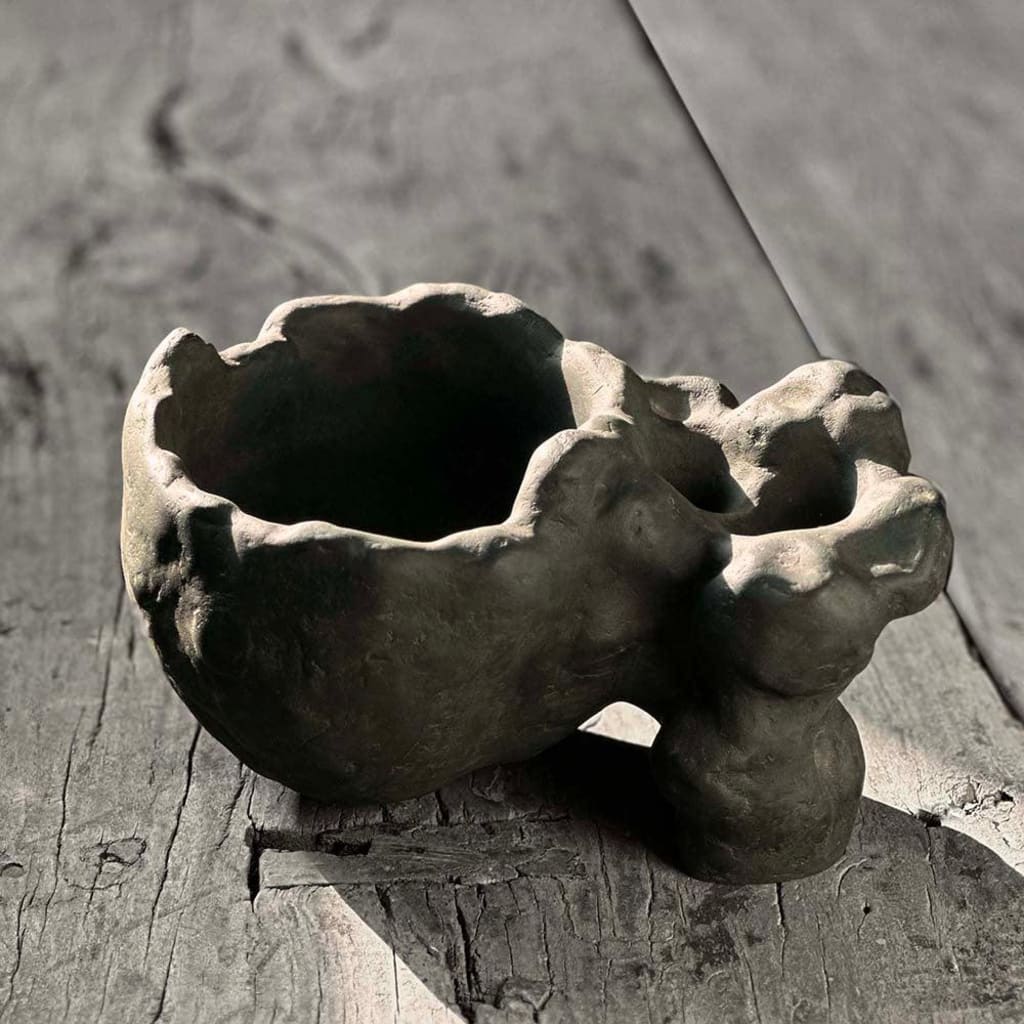
Decorative Objects play a vital role in interior design, transforming spaces with charm, elegance, and individuality. Whether in homes, offices, or commercial establishments, these objects add character, create focal points, and enhance the aesthetic appeal of a setting. From timeless sculptures to contemporary accents, decorative objects contribute to a harmonious and inviting environment.
The Role of Decorative Objects in Interior Design
Decorative objects are not merely ornamental; they serve multiple purposes, such as:
Personal Expression: Reflecting the tastes, personality, and culture of the owner.
Aesthetic Enhancement: Adding visual interest, contrast, and sophistication.
Creating Ambience: Influencing the mood and atmosphere of a space.
Defining Themes: Reinforcing a particular design style, whether modern, rustic, vintage, or eclectic.
Types of Decorative Objects
Decorative objects come in a variety of forms, each offering unique charm and appeal:
Sculptures and Figurines – Artistic pieces crafted from metal, stone, wood, or ceramics that serve as statement decor.
Vases and Bowls – Functional and artistic elements that enhance tabletops, shelves, and mantels.
Mirrors and Wall Art – Reflective surfaces and artistic prints that add depth and personality.
Candles and Holders – Creating a warm and cozy ambiance with elegant illumination.
Books and Bookends – Stylish yet practical accessories that add sophistication to bookshelves and desks.
Clocks and Timepieces – Decorative yet functional items that add vintage or contemporary charm.
Planters and Terrariums – Bringing nature indoors with greenery and floral arrangements.
Trays and Decorative Boxes – Perfect for organizing and displaying small accessories in a stylish manner.
Choosing the Right Decorative Objects for Your Space
When selecting decorative objects, consider the following factors:
Theme and Style: Choose objects that align with the overall decor theme.
Proportion and Scale: Ensure the size of the objects complements the space without overwhelming it.
Color and Texture: Blend materials and hues to create depth and contrast.
Functionality: Opt for decor that serves both aesthetic and practical purposes.
Personal Meaning: Incorporate pieces that hold sentimental or artistic value.
Decorative Objects in Different Spaces
Living Room: Statement sculptures, coffee table books, decorative bowls, and cushions.
Bedroom: Elegant candle holders, bedside vases, framed art, and mirrors.
Office: Minimalist desk accessories, stylish paperweights, and artistic bookends.
Dining Area: Centerpiece vases, candle stands, and artistic dinnerware.
Conclusion
Decorative objects are essential elements of interior design, enhancing spaces with beauty, personality, and function. Whether you prefer classic elegance or modern minimalism, the right decorative pieces can transform any space into a stylish and inviting environment. By carefully selecting and arranging these objects, you can create a home or workspace that truly reflects your style and vision.
About the Creator
Keep reading
More stories from Studio Renaissance and writers in Art and other communities.
Decorative Objects: Enhancing Spaces with Style and Elegance
Decorative Objects are essential elements in interior design, adding personality, charm, and functionality to living spaces. These items range from artistic sculptures to practical accents, enhancing the ambiance of homes, offices, and commercial settings.
By Studio Renaissance12 months ago in Art
'Till Death We Do Art
There would be nothing divine in this world without art. Nature may surpass the divine to all intents and purposes, but like everything it absorbs and is absorbed by, it remains here, stuck on the surface of this world, ever-present, physically bound to the universe.
By Avocado Nunzella BSc (Psych) -- M.A.P 26 days ago in Art
Modern Wall Decor Ideas with Bathroom Wallpaper and Kitchen Wallpaper
Creating Beautiful Interiors with Wall Decor A well-designed home begins with thoughtful wall decor choices that reflect both style and personality. Walls are often the largest surfaces in any room, so the way they are decorated has a major impact on the overall atmosphere of a space. From minimalist textures to bold decorative patterns, modern wall design has evolved into an important part of interior styling. By choosing decorative elements that complement furniture, lighting, and color palettes, homeowners can create a balanced and inviting environment that feels both comfortable and visually appealing.
By Wallanza Wallpaper2 days ago in Art


Comments
There are no comments for this story
Be the first to respond and start the conversation.