
Shiv Statue: Symbol of Divine Power, Peace, and Presence
The Shiv statue is more than just a sculpture—it's a spiritual symbol that represents the cosmic power, wisdom, and stillness of Lord Shiva, one of the principal deities of Hinduism.
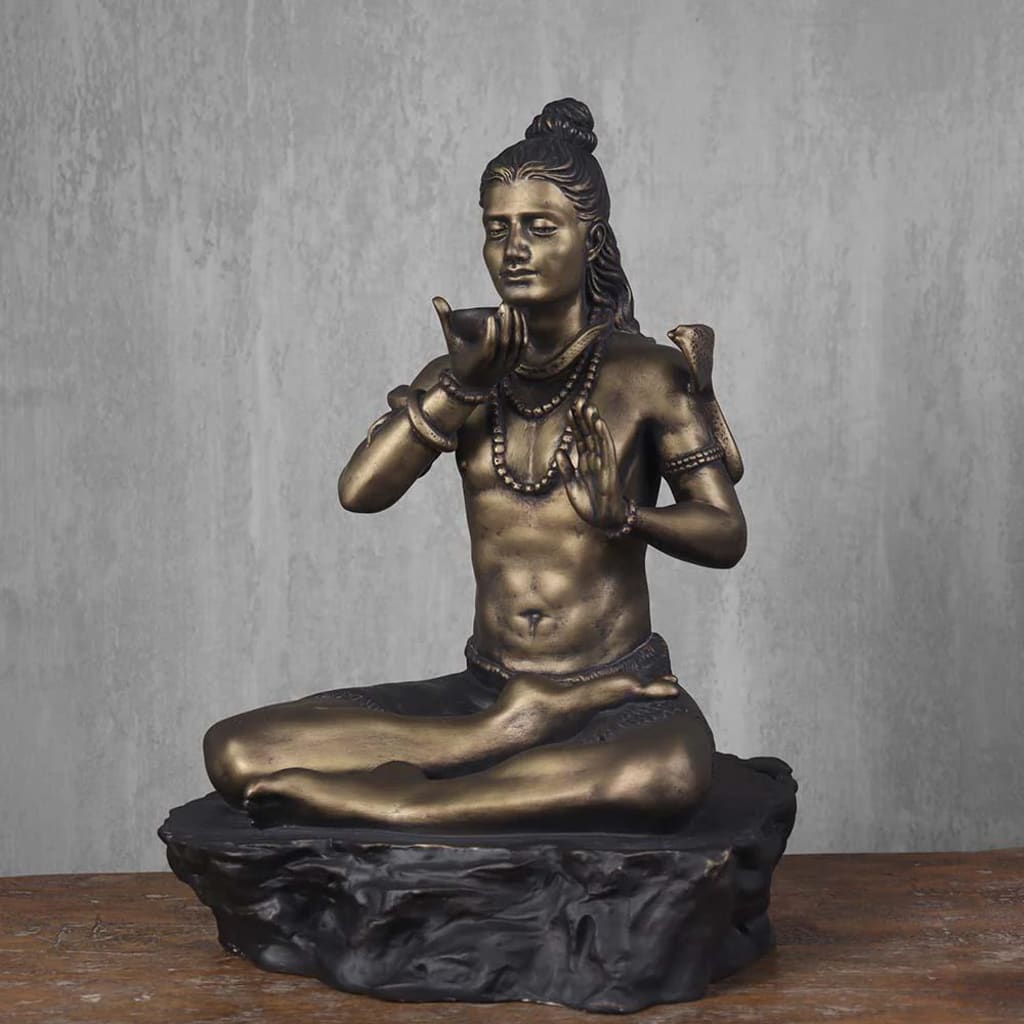
The Shiv Statue is more than just a sculpture—it's a spiritual symbol that represents the cosmic power, wisdom, and stillness of Lord Shiva, one of the principal deities of Hinduism. Whether placed in a temple, a home, or as a monumental installation, the presence of a Shiv statue radiates calm, energy, and devotion.
Who is Lord Shiva?
Lord Shiva, known as “The Destroyer” in the Hindu trinity (alongside Brahma and Vishnu), is a complex deity who represents destruction, transformation, meditation, and rebirth. He is often depicted in a meditative pose on Mount Kailash or performing the cosmic dance, Nataraja, which symbolizes the rhythm of the universe.
Shiva is also called Mahadev (The Great God), Neelkanth (The Blue-Throated One), and Bholenath (The Innocent Lord)—each name reflecting a different aspect of his divine persona.
Significance of the Shiv Statue
1. Spiritual Symbolism
The statue serves as a visual embodiment of inner peace, self-realization, and divine energy. It's often used as a focus point for meditation and prayer.
2. Cultural and Artistic Importance
Shiv statues are masterpieces of art—sculpted in a variety of materials like stone, bronze, wood, or marble. They reflect the depth of Indian culture and craftsmanship.
3. Vastu and Feng Shui Use
In Vastu Shastra, placing a Shiv statue in the northeast corner of a home or temple is considered highly auspicious. It is believed to bring harmony, prosperity, and protection.
Common Forms of Shiv Statues
1. Shiva in Meditation (Dhyan Mudra)
Depicts the Lord seated in silence with closed eyes, symbolizing inner peace and spiritual focus.
2. Nataraja (Lord of Dance)
A dynamic form of Shiva dancing within a ring of fire, representing the cosmic cycles of creation and destruction.
3. Ardhanarishvara
A combined form of Shiva and his consort Parvati, symbolizing the unity of masculine and feminine energies.
4. Shiva with Trishul and Damru
Often shown standing or seated with his trident (Trishul), drum (Damru), and snake around his neck, signifying power and balance.
5. Shivling (Lingam)
A symbolic representation of Shiva’s formless aspect. Worshipped widely in temples and homes, the Shivling represents creation and eternity.
Notable Shiv Statues in India and the World
• Adiyogi Shiva Statue (Coimbatore, Tamil Nadu)
At 112 feet tall, it is recognized by the Guinness World Records as the world's largest bust statue. Designed by Sadhguru Jaggi Vasudev, it symbolizes the first yogi.
• Murudeshwar Shiva Statue (Karnataka)
Standing at 123 feet, this majestic seated statue overlooks the Arabian Sea and is one of the tallest Lord Shiva statues in the world.
• Har ki Pauri (Haridwar) and Kashi Vishwanath (Varanasi)
Temples and ghats with iconic Shiv statues that attract millions of devotees every year.
Shiv Statue in Modern Homes and Gardens
• Home Decor: Miniature Shiv statues add a serene and spiritual touch to interiors.
• Meditation Corners: Ideal for setting a calming tone and aiding in mindful practices.
• Outdoor Spaces: Larger statues in gardens or entryways create a peaceful and divine ambiance.
Final Thoughts
A Shiv statue is more than a religious icon—it's a symbol of strength, wisdom, and cosmic balance. Whether for worship, meditation, or decor, it serves as a powerful reminder of life’s cycles and the deep, unwavering energy that drives the universe. In a world full of noise and chaos, the image of Shiva invites silence, reflection, and divine connection.
About the Creator
Keep reading
More stories from Studio Renaissance and writers in Art and other communities.
Shiv Statue – A Majestic Symbol of Divinity and Strength
Introduction India is a land of spirituality, rich mythology, and magnificent temples. Among the pantheon of Hindu deities, Lord Shiva, the destroyer and transformer in the holy trinity of Brahma, Vishnu, and Mahesh, holds a special place in the hearts of millions. The Shiv Statue is not just a piece of religious art—it is a powerful symbol of inner peace, strength, and cosmic energy. These towering monuments are revered across the country and admired globally for their spiritual and artistic significance.
By Studio Renaissance9 months ago in Art
The Uncopiable Human Wit to Write
We all have been in that spot at least once in our schooldays where we have been wringing our brains off to curate written articles of some sort until our soul-less friends were born. At just four years old, our beloved soul-less, metallic, digital assistant who is always by our side when we turn on our computers and smart phones, will be doing much more than curating written content for us all, if you know what I mean.
By Sound Savvy7 days ago in Art


Comments
There are no comments for this story
Be the first to respond and start the conversation.