
Shiv Murti: A Sacred Symbol of Power, Peace, and Divine Energy
A Shiv Murti (Shiva idol or statue) is not just a religious artifact—it's a deeply spiritual symbol that reflects strength, serenity, and supreme consciousness.
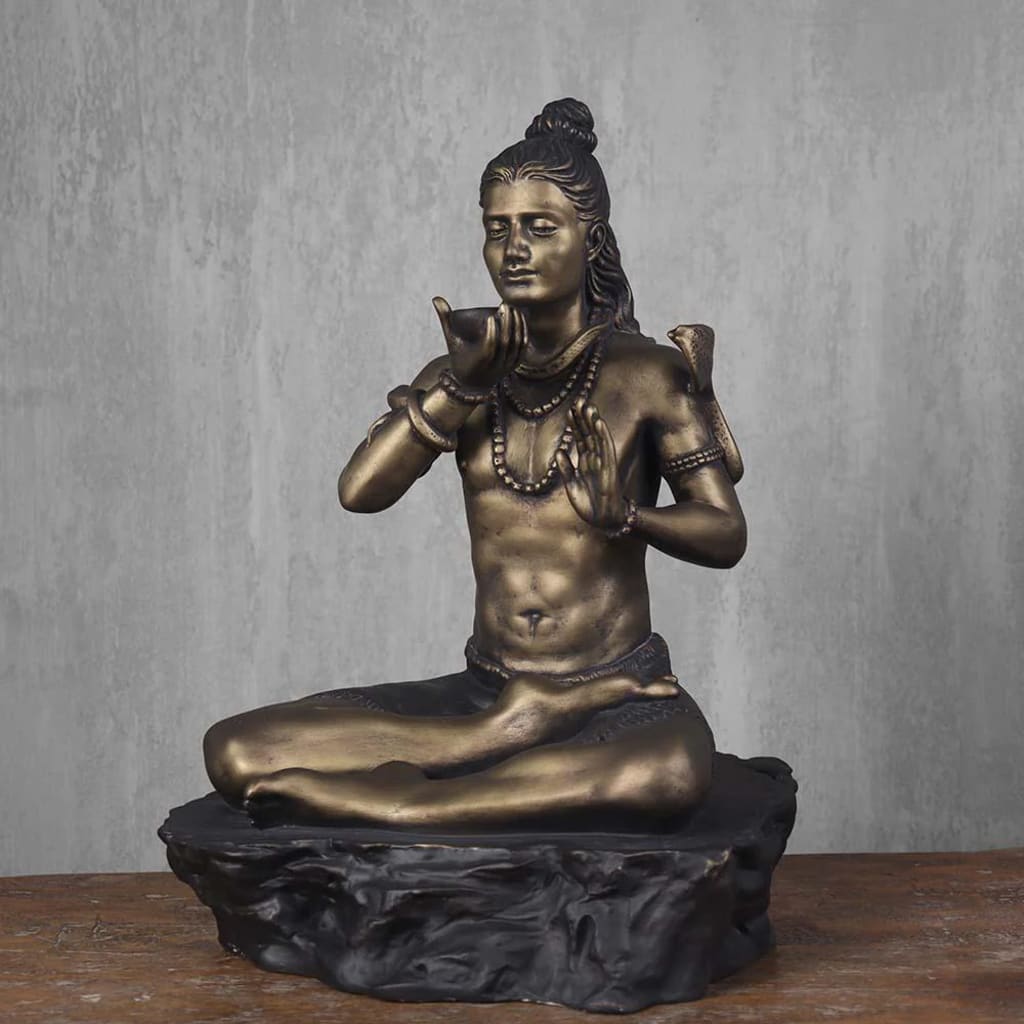
In Hinduism, Lord Shiva is regarded as the destroyer of evil and the transformer among the Holy Trinity (Brahma, Vishnu, and Shiva). A Shiv Murti (Shiva idol or statue) is not just a religious artifact—it's a deeply spiritual symbol that reflects strength, serenity, and supreme consciousness. Placing a Shiv Murti at home, in temples, or public spaces invites divine energy, protection, and spiritual balance.
Significance of Shiv Murti
The Shiv Murti represents Lord Shiva in his many divine forms—peaceful, meditative, or fierce. Each depiction carries its own meaning and power:
• Meditating Shiva: Symbolizes inner peace, self-control, and focus. Often used in homes and meditation spaces.
• Nataraja (Dancing Shiva): Represents cosmic rhythm, energy, and the destruction of ignorance.
• Shiva with Parvati: Depicts divine love, balance between masculine and feminine energy.
• Shivling: The abstract representation of Shiva’s infinite nature, often worshipped in temples and homes.
- Why Keep a Shiv Murti at Home?
1. Spiritual Upliftment
A Shiv Murti serves as a powerful reminder of inner strength and detachment, encouraging personal growth and self-discipline.
2. Positive Energy
According to Vastu and spiritual beliefs, keeping a Shiv Murti helps dispel negative energy and invites peace and harmony into the home.
3. Meditation and Focus
Lord Shiva is often depicted in deep meditation, making his murti ideal for those who seek calm, clarity, and spiritual focus.
4. Cultural and Artistic Value
Beyond spiritual meaning, many Shiv Murtis are intricately designed and beautifully crafted, adding aesthetic value to your décor.
Ideal Placement of Shiv Murti
To derive maximum benefits, placement is key:
• Facing Direction: Place the murti facing north or east for positive vibrations.
• Pooja Room or Meditation Space: Ideal locations for daily worship or silent reflection.
• Avoid Bedroom or Bathroom Areas: As a sign of respect, avoid placing Shiv Murtis in impure or private areas.
Types of Shiv Murti Based on Material
• Marble Shiv Murti: Elegant and commonly used in temples and homes.
• Brass or Bronze Shiva: Durable, antique look, often seen in traditional homes.
• Wooden Shiva Murti: Earthy and aesthetic, suitable for rustic or spiritual home settings.
• Stone Shivling: Sacred and ideal for worship, especially during Mahashivratri and other festivals.
Festivals and Worship
The Shiv Murti becomes the focal point of devotion during significant Hindu festivals like:
• Mahashivratri: A night dedicated to Shiva’s marriage with Parvati, observed with fasting and night-long prayers.
• Shravan Month: Devotees offer milk, water, and Bilva leaves to Shivling for blessings and protection.
• Mondays (Somvar): Considered the most auspicious day for Lord Shiva worship.
Conclusion
A Shiv Murti is more than a religious idol—it's a spiritual anchor that embodies calm, power, and divine wisdom. Whether for daily worship, meditation, or simply to bring peace to your home, the presence of Lord Shiva’s statue reminds us of life’s deeper truths: detachment, inner strength, and the path to liberation. Choose a Shiv Murti that resonates with your heart, and let it be a source of strength and serenity in your space.
About the Creator
Keep reading
More stories from Studio Renaissance and writers in Art and other communities.
Shiv Murti: A Sacred Symbol of Strength, Peace, and Devotion
The Shiv Murti — or Shiva statue — holds immense spiritual and cultural significance in Hindu tradition. Representing Lord Shiva, the destroyer and transformer among the Hindu Trinity (Trimurti), the murti serves as a powerful symbol of divine energy, inner strength, and transcendence. Whether placed in homes, temples, or meditation spaces, a Shiv Murti is not merely a decorative piece but a sacred presence that fosters devotion, tranquility, and spiritual discipline.
By Studio Renaissance8 months ago in Art
“What If It Happens?”
Monday, 11 April 2022 Ishrat Jahan One of our friends, Mr. Farooq, is a middle-aged man, yet he has still not been able to free himself from his deeply suspicious and fearful nature. These days, I happened to have some free time, so I thought it would be a good idea to meet him and try to untangle the puzzle of his constant worries. By coincidence, he himself arrived at my humble home, jolting along in a rickshaw.
By Sudais Zakwana day ago in Art
Introduction to Organic Solutions
In the realm of fitness, the role of nutrition cannot be overstated, and organic supplements are increasingly recognised as essential components of a well-rounded training regime. Unlike their synthetic counterparts, organic supplements are derived from natural sources, ensuring that fitness trainers can provide their clients with products that are free from harmful additives and chemicals. This not only promotes better health but also supports the body’s natural processes, thereby enhancing overall performance and recovery.
By Organic Products 6 days ago in Art


Comments
There are no comments for this story
Be the first to respond and start the conversation.