
Shiv Murti: A Sacred Symbol of Strength, Peace, and Devotion
The Shiv Murti — or Shiva statue — holds immense spiritual and cultural significance in Hindu tradition.
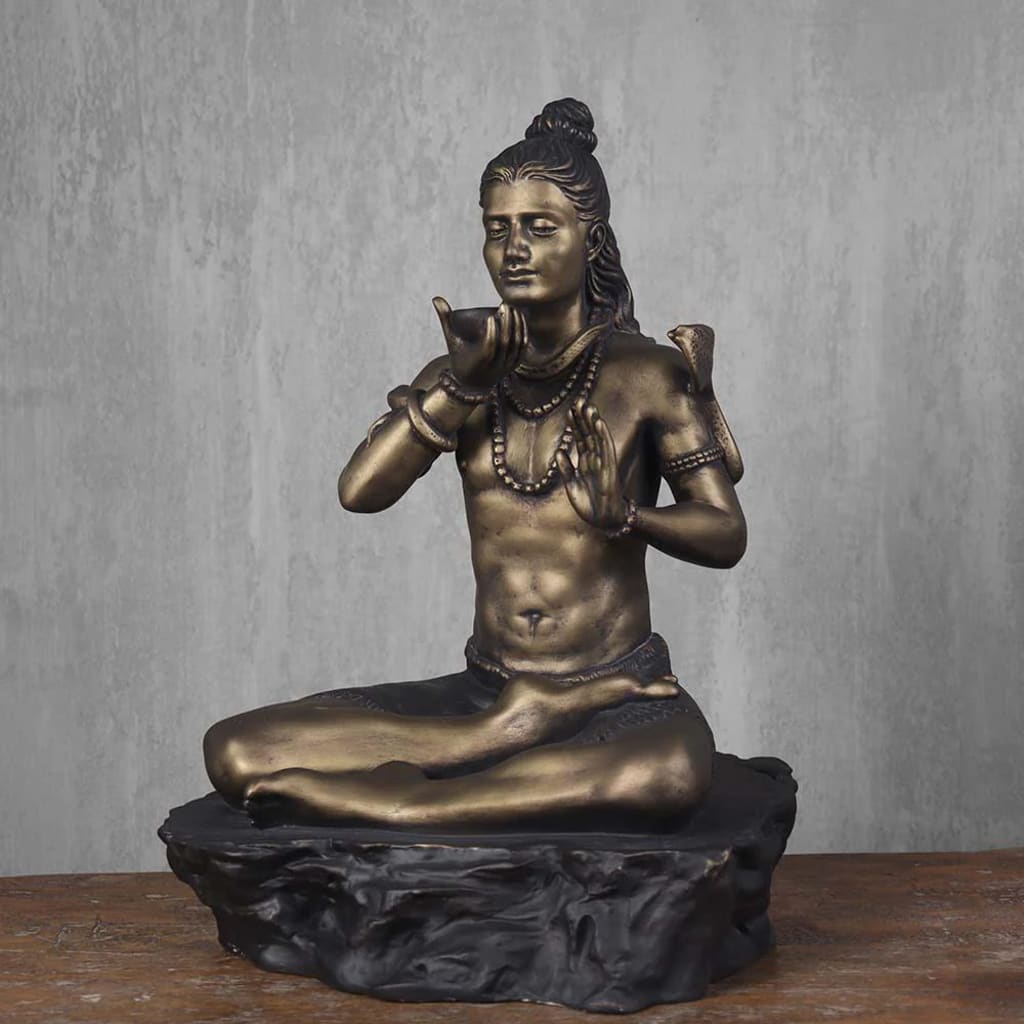
The Shiv Murti — or Shiva statue — holds immense spiritual and cultural significance in Hindu tradition. Representing Lord Shiva, the destroyer and transformer among the Hindu Trinity (Trimurti), the murti serves as a powerful symbol of divine energy, inner strength, and transcendence. Whether placed in homes, temples, or meditation spaces, a Shiv Murti is not merely a decorative piece but a sacred presence that fosters devotion, tranquility, and spiritual discipline.
Who is Lord Shiva?
Lord Shiva is revered as the Supreme Being in Shaivism, one of the major traditions within Hinduism. He embodies opposites: both the ascetic and the householder, the destroyer of evil and the benefactor of good, the calm yogi and the fierce Rudra. His iconography — with matted hair, crescent moon, Ganga flowing from his locks, third eye, snake around the neck, and trident in hand — symbolizes the depth and complexity of his divine persona.
Importance of a Shiv Murti
1. Spiritual Significance
A Shiv Murti is considered a conduit for divine energy. It is not just a representation but a focus point for worship and meditation. Devotees believe that installing a Shiv Murti at home invites Lord Shiva’s blessings of protection, prosperity, and spiritual growth.
2. Cultural Relevance
Across India and other parts of the world, Shiva statues are revered in homes, temples, and pilgrimage sites. From the majestic Kailashnath Temple to the towering Adiyogi statue in Coimbatore, Shiva’s image is deeply woven into the cultural and spiritual landscape.
3. Architectural Beauty
Shiv Murtis are crafted in various forms and materials — from black stone and white marble to brass, bronze, and terracotta. They range from minimalistic to intricately detailed sculptures, making them a fusion of art and devotion.
Common Forms of Shiv Murti
• Nataraja: The cosmic dancer form of Shiva, symbolizing the rhythm of creation and destruction.
• Lingam: A symbolic, aniconic representation of Shiva’s infinite nature.
• Meditative Shiva: Seated in deep meditation, this form promotes peace and mindfulness.
• Standing Shiva with Trishul: Represents strength, power, and the destruction of ignorance.
• Shiva-Parvati Murti: Highlights the harmonious balance between masculine and feminine energies.
Placement of Shiv Murti at Home
To honor the sanctity of the Shiv Murti, proper placement and orientation are essential:
• Direction: Ideally, place the statue facing east or north-east. This is considered spiritually beneficial.
• Height and Surface: It should be placed on a clean, elevated platform, never directly on the floor.
• Worship Area: The murti should reside in a quiet, clean space used for prayer or meditation.
• Avoid Certain Locations: Avoid placing the murti near restrooms, under staircases, or in bedrooms.
Benefits of Keeping a Shiv Murti
• Encourages daily worship and a spiritual routine.
• Brings a sense of peace, clarity, and inner strength.
• Helps remove negative energies and foster positive vibrations.
• Acts as a focal point for meditation and self-discipline.
• Inspires devotion, humility, and a connection with higher consciousness.
Conclusion
A Shiv Murti is far more than a sculpture — it is a sacred symbol that embodies the profound power, wisdom, and compassion of Lord Shiva. Whether used for daily puja, meditation, or spiritual ambiance, it serves as a reminder of the deeper truths of life and the eternal presence of the divine.
About the Creator
Keep reading
More stories from Studio Renaissance and writers in Art and other communities.
Shiv Murti: Symbolism, Significance, and Ideal Placement at Home
The presence of a Shiv Murti (statue of Lord Shiva) in the home is a powerful spiritual and cultural symbol. Revered as the destroyer of evil and the transformer in the Hindu trinity, Lord Shiva represents strength, meditation, and balance. A Shiv Murti not only enhances the aesthetic appeal of a space but also brings divine energy, peace, and protection into the household.
By Studio Renaissance10 months ago in Art
'Till Death We Do Art
There would be nothing divine in this world without art. Nature may surpass the divine to all intents and purposes, but like everything it absorbs and is absorbed by, it remains here, stuck on the surface of this world, ever-present, physically bound to the universe.
By Avocado Nunzella BSc (Psych) -- M.A.P 27 days ago in Art



Comments
There are no comments for this story
Be the first to respond and start the conversation.