
Quadrantids Meteor Showers: A Spectacular Cosmic Event to Witness
spectacular Quadrantids meteor shower, a dazzling celestial event that lights up the night sky every January. Learn the best viewing times, tips, and science behind this short but intense meteor show.

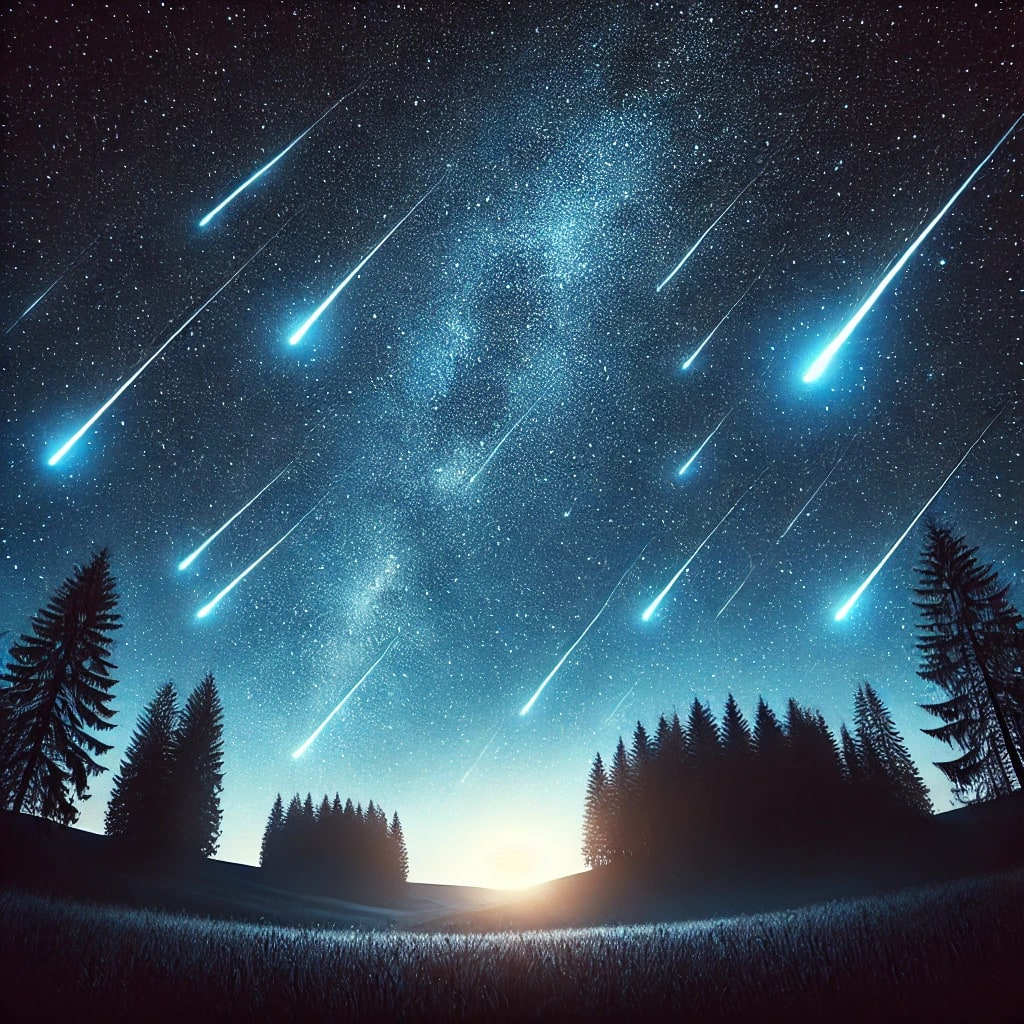
The Quadrantids meteor showers are one of the most captivating celestial events that grace the night skies every January. Unlike other meteor showers, the Quadrantids are known for their brief but intense peak, offering skywatchers a mesmerizing display of shooting stars in just a few hours.
Whether you are a seasoned stargazer or a curious observer, understanding more about this unique meteor shower will help you fully appreciate its beauty. In this guide, we will cover everything you need to know about the Quadrantids meteor showers, including the best time to watch, viewing tips, and the science behind this celestial phenomenon.
What Are the Quadrantids Meteor Showers?
The Quadrantids meteor showers are an annual celestial event that occurs in early January, typically between January 1 and January 5. This meteor shower is famous for its bright, fast-moving meteors that can light up the sky with brilliant streaks of light.
Unlike most meteor showers that last for several days or weeks, the Quadrantids have a very short peak period, usually lasting only six hours. During this window, stargazers can witness up to 120 meteors per hour under ideal conditions. The intensity and short duration make it one of the most unique meteor showers of the year.
When Is the Best Time to See the Quadrantids Meteor Shower?
The best time to catch the Quadrantids meteor showers is during their peak, which typically falls on the night of January 3 and into the early hours of January 4. The exact timing can vary slightly each year, depending on the Earth's orbit and weather conditions.
For 2025, the Quadrantids are expected to peak on January 3 at around 3 a.m. UTC. However, it’s essential to check your local time zone to ensure you don’t miss the event. The best viewing time is during the pre-dawn hours when the sky is darkest.
Key Viewing Tips:
Check Local Weather: Clear skies are essential for a good viewing experience. Make sure to check your local weather forecast.
Find a Dark Location: Avoid areas with light pollution. Head to a rural or remote spot for the best visibility.
Adjust Your Eyes: It takes about 20 minutes for your eyes to fully adapt to the dark. Avoid using bright screens to help your eyes adjust faster.
Where to Look in the Sky for the Quadrantids Meteor Shower
The Quadrantids meteor shower radiates from the constellation Bootes, near the Big Dipper’s handle. The name "Quadrantids" comes from the now-obsolete constellation Quadrans Muralis, which was located in this region of the sky.
To locate the radiant point:
Look for the Big Dipper: Use this easily recognizable constellation as a starting point.
Find Bootes: The radiant point lies near the handle of the Big Dipper and within the Bootes constellation.
Watch the Entire Sky: Although the meteors appear to radiate from a specific point, they can streak across any part of the sky.
The Science Behind Meteor Showers
Meteor showers occur when Earth passes through the debris left behind by comets or asteroids. As these particles enter our atmosphere at high speeds, they burn up, creating bright streaks of light known as meteors.
The Quadrantids meteor showers are unique because they originate from an asteroid rather than a comet. The parent body of the Quadrantids is the asteroid 2003 EH1, which is believed to be the remnant of an extinct comet.
Why Are the Quadrantids So Intense?
Several factors contribute to the intensity of the Quadrantids meteor showers:
Short Peak Duration: The narrow debris stream results in a brief but intense meteor shower.
Fast Meteors: Quadrantids meteors travel at speeds of up to 41 kilometers per second, creating bright, fast-moving streaks.
High Meteor Rate: With up to 120 meteors per hour during the peak, the Quadrantids can rival more famous meteor showers like the Perseids and Geminids.
How to Watch the Quadrantids Meteor Shower
Watching a meteor shower is a simple and rewarding experience that requires minimal equipment. Follow these tips for the best viewing experience:
1. Find a Dark Sky Location
Light pollution from cities can significantly reduce visibility. Find a dark, open space away from streetlights and buildings.
2. Bring the Right Gear
Warm Clothing: January nights can be freezing. Dress in layers to stay warm.
Blanket or Reclining Chair: For maximum comfort, bring a blanket or a reclining chair to lie back and enjoy the view.
Snacks and Hot Drinks: Keep yourself energized and warm with some snacks and hot beverages.
3. Be Patient
Meteor showers require patience. It may take several minutes before you start seeing meteors, so give yourself plenty of time to enjoy the experience.
Quadrantids Meteor Showers vs. Other Meteor Showers
The Quadrantids are often overshadowed by more popular meteor showers like the Perseids in August and the Geminids in December. However, the Quadrantids have some unique features that set them apart:
Meteor Shower
Peak Month
Meteors Per Hour
Parent Body
Quadrantids
January
Up to 120
Asteroid 2003 EH1
Perseids
August
Up to 100
Comet Swift-Tuttle
Geminids
December
Up to 120
Asteroid 3200 Phaethon
The History of the Quadrantids Meteor Showers
The Quadrantids were first observed in 1825 by Italian astronomer Antonio Brucalassi. The meteor shower was named after the constellation Quadrans Muralis, which was created by French astronomer Jérôme Lalande in 1795. Although the constellation is no longer recognized by the International Astronomical Union, the meteor shower retains its name.
In 2003, astronomers linked the Quadrantids to the asteroid 2003 EH1. This discovery was significant because it provided evidence that the meteor shower originates from an asteroid rather than a comet.
Frequently Asked Questions About the Quadrantids Meteor Showers
1. Is There a Meteor Shower Tonight?
If you’re reading this in early January, there’s a good chance that the Quadrantids meteor shower is active. Check your local stargazing calendars for exact dates and times.
2. Do I Need Special Equipment to Watch the Meteor Shower?
No, you don’t need any special equipment to watch the Quadrantids meteor showers. Your eyes are the best tool for spotting meteors.
3. What If the Sky Is Cloudy?
If the sky is cloudy on the night of the Quadrantids peak, you may miss the best viewing opportunity. However, the meteor shower is active for a few days, so you might still catch a few meteors on other nights.
Final Thoughts
The Quadrantids meteor showers are a must-see event for anyone who loves stargazing. With their short but intense peak, they offer a breathtaking display of shooting stars that can light up the night sky. By following the tips in this guide, you can maximize your chances of enjoying this spectacular cosmic show.
About the Creator
Minecraft APK Download (Android, Pro Unlocked)
Fast free Minecraft APK Download for Android. Get Minecraft Pocket Edition, mods, and the latest version. Enjoy building and exploring in Minecraft PE. NBS Reborn APK.
Keep reading
More stories from Minecraft APK Download (Android, Pro Unlocked) and writers in Art and other communities.
Rune-Covered Medieval Sword Unearthed: A Gateway to the Past
In a remarkable archaeological discovery, a sword covered in ancient runes was recently unearthed in a remote area of northern Europe. This extraordinary find not only offers a glimpse into the craftsmanship of medieval swordsmiths but also sheds light on the cultural and historical significance of runes during that period. As researchers and historians work to unravel the mystery surrounding the sword, it serves as a fascinating link to the past.
By Minecraft APK Download (Android, Pro Unlocked)about a year ago in Art




Comments
There are no comments for this story
Be the first to respond and start the conversation.