
Michelangelo’s David: A Colossal Masterpiece of Renaissance Art
Art Figure

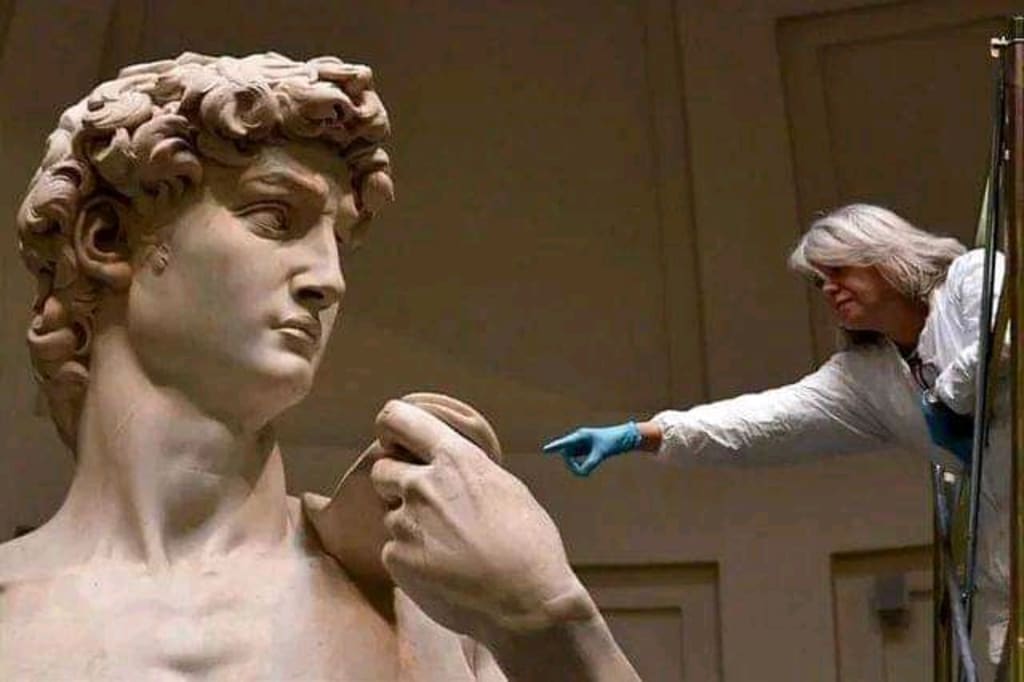
Michelangelo’s David is one of the most iconic and celebrated sculptures in the world, a masterpiece of Renaissance art that has captivated viewers for centuries. Commissioned in 1501 and completed in 1504, this monumental statue stands at an astounding 17 feet tall and weighs over 12,000 pounds. Sculpted from a single block of pristine white marble, David is a testament to Michelangelo’s extraordinary skill and vision, as well as the cultural and artistic ideals of the Renaissance period.
This blog delves into the story behind the creation of David, its immense scale, and its enduring significance as a symbol of artistic genius and human potential.
---
The Commission and Creation of David
In 1501, the city of Florence commissioned a young Michelangelo Buonarroti to sculpt a statue of the biblical hero David. The project was intended as a symbol of the city’s strength, independence, and faith in divine providence. Florence, surrounded by rival city-states and often embroiled in conflict, saw David as a fitting representation of resilience and courage.
The marble block that Michelangelo used for the sculpture was not new. Known as the “Giant,” this massive piece of marble had been quarried decades earlier and left unused, partially due to its flawed surface and challenging dimensions. Several artists had attempted to work with it but abandoned the project, deeming the marble too difficult to sculpt.
Michelangelo, however, saw potential in the block and accepted the challenge. Over the course of three years, he transformed the rough marble into a masterpiece that would redefine the boundaries of art and sculpture.
---
The True Size of David
One of the most striking features of Michelangelo’s David is its sheer size. Standing at 17 feet tall (5.17 meters) and weighing more than 12,000 pounds (5.4 tons), the statue is far larger than life.
Why Is David So Large?
The statue’s monumental size was intentional, as it was originally meant to be placed high on the roofline of Florence Cathedral. Its exaggerated proportions were designed to ensure that the figure would appear balanced and powerful when viewed from below. Michelangelo subtly adjusted the anatomy, such as enlarging the hands and head, to account for the perspective and to emphasize David’s strength and intelligence.
While the statue was ultimately installed in the Piazza della Signoria, the seat of Florence’s civic government, its size and grandeur immediately made it a centerpiece of the city.
---
Sculpting From a Single Block of Marble
Another remarkable aspect of David is that it was carved from a single block of marble. Known as Carrara marble, this material is famed for its pure white color and fine grain, making it a favorite among Renaissance sculptors.
The challenges Michelangelo faced in working with this particular block were immense. The marble was weathered and had imperfections, requiring extraordinary precision to avoid fractures. Michelangelo’s ability to envision the final figure within the block and bring it to life with such finesse is a testament to his genius.
---
Symbolism and Artistic Genius
David as a Symbol
Michelangelo’s David is more than just a work of art; it is a symbol of human potential and civic pride. In the biblical story, David, a young shepherd, defeats the giant Goliath with a simple sling and unwavering faith. In Florence, David became a metaphor for the city’s triumph over larger, more powerful enemies through ingenuity and divine favor.
Unlike earlier depictions of David, which often showed him post-victory with Goliath’s head, Michelangelo chose to depict him before the battle. This decision imbues the statue with a sense of tension and anticipation, highlighting David’s courage, focus, and readiness to act.
Artistic Achievements
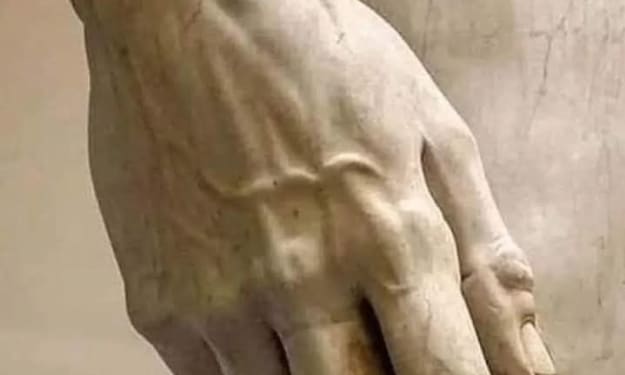
Michelangelo’s David is celebrated for its anatomical precision and lifelike detail. Every muscle, vein, and sinew is meticulously rendered, reflecting Michelangelo’s deep study of human anatomy.
The contrapposto pose, in which David stands with his weight shifted onto one leg, adds a sense of dynamism and naturalism to the figure. This stance, combined with the intense gaze and poised posture, captures the essence of Renaissance ideals: balance, harmony, and the glorification of human form and intellect.
---
Legacy and Cultural Impact
Since its unveiling in 1504, David has become one of the most famous sculptures in the world. It has inspired countless artists, writers, and thinkers, and remains a symbol of artistic achievement and human potential.
Over the centuries, the statue has endured challenges, including weathering, vandalism, and transportation. Today, the original David is housed in the Galleria dell’Accademia in Florence, where it continues to draw millions of visitors each year. A replica now stands in the Piazza della Signoria, ensuring that Michelangelo’s vision remains a part of Florence’s public identity.
---
Conclusion: A Masterpiece for the Ages
Michelangelo’s David is a triumph of artistry, engineering, and human creativity. Its immense size and the audacity of sculpting it from a single block of marble underscore Michelangelo’s unparalleled skill and vision.
More than just a statue, David embodies the ideals of the Renaissance and serves as a timeless reminder of the power of determination, courage, and ingenuity. Over 500 years later, it remains a source of awe and inspiration, a masterpiece that continues to captivate and connect us to the brilliance of its creator.
For anyone standing before David, it is impossible not to marvel at the genius required to create such a monumental work—a true testament to Michelangelo’s legacy as one of the greatest artists in history.
About the Creator
Keep reading
More stories from Deji Akomolafe and writers in Art and other communities.
Michelangelo's "David": Making Blood Flow in Marble
Michelangelo’s David is not just a sculpture; it is a masterpiece of art and human creativity. Carved between 1501 and 1504, this monumental statue stands as a symbol of the Renaissance, embodying the ideals of human beauty, strength, and intellect. What sets David apart from other sculptures of its time is its lifelike quality—Michelangelo seemed to make the blood flow through the veins of the cold marble, bringing his creation to life.
By Deji Akomolafeabout a year ago in Art
'Till Death We Do Art
There would be nothing divine in this world without art. Nature may surpass the divine to all intents and purposes, but like everything it absorbs and is absorbed by, it remains here, stuck on the surface of this world, ever-present, physically bound to the universe.
By Avocado Nunzella BSc (Psych) -- M.A.P 26 days ago in Art
The Stolen Smile: The True Story Behind the Mona Lisa Theft
In the summer of 1911, the art world experienced one of the most shocking and mysterious events in history when the most famous painting in the Louvre Museum suddenly vanished without anyone noticing until it was already gone. The painting was the Mona Lisa, the masterpiece created by the legendary Renaissance artist Leonardo da Vinci, and at that time it was already admired by artists and historians even though it had not yet achieved the global fame it holds today.
By The Curious Writerabout 22 hours ago in Art



Comments
There are no comments for this story
Be the first to respond and start the conversation.