
Love Letters Through Time: A Journey of the Heart
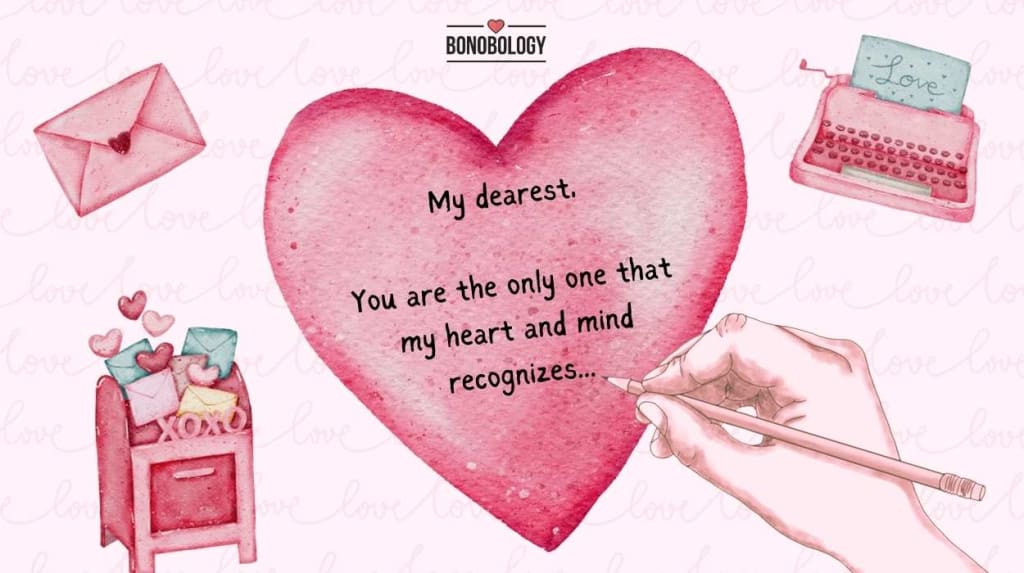
Love letters have always been a powerful form of human expression, capturing the deepest emotions and desires that words alone often fail to communicate. From passionate declarations to tender expressions of longing, love letters have transcended time, surviving the centuries to become cherished artifacts of romance and affection. The history of love letters is not just the story of ink on paper, but a journey through emotions, relationships, and societies, each leaving its mark on the art of writing to a loved one.

Ancient Beginnings: The Dawn of Love Letters
The tradition of writing love letters can be traced back to ancient civilizations, where love was often celebrated in poetic and written form. One of the earliest examples comes from the ancient Egyptians, who crafted love letters on papyrus. These letters were filled with endearing terms, promises, and sentiments that mirror the romantic expressions we find today. While the tools of communication have evolved, the core emotions remain strikingly similar.
In ancient Greece and Rome, love letters took on a more philosophical and profound tone. Writers like the Roman poet Ovid, who penned Ars Amatoria (The Art of Love), were known for exploring themes of love, desire, and courtship in written form. This work, among others, laid the foundation for the evolution of romantic writing, giving rise to a cultural appreciation for the written word as a tool to capture the nuances of love.
The Middle Ages: Chivalric Romance and Courtly Love
During the medieval period, love letters began to take on a more structured and symbolic form, influenced by the courtly love tradition. The concept of courtly love—a noble and idealized form of love often expressed through poetry and song—flourished during this time. Knights, poets, and courtiers would often pen elaborate letters to their beloveds, who were typically unattainable or married. These letters were not merely about romance; they were expressions of devotion and fealty to a higher ideal of love.
One of the most famous examples from this era is the letters between Abelard and Heloise, two scholars whose love story became legendary. Their correspondence was both intellectual and passionate, with Heloise, in particular, writing with an intensity that expressed the depth of her emotions, defying the societal constraints of their time. The letters of Abelard and Heloise continue to resonate with readers today for their raw, emotional power.
The Renaissance and Enlightenment: Personal Expression Meets Artistry
The Renaissance era brought with it a reawakening of interest in art, literature, and humanism, and this cultural shift had a profound impact on the way love letters were written. The exploration of individual emotions and the elevation of personal expression found their way into love letters, turning them from formal declarations into deeply personal and artistic forms of communication.
Poets like Petrarch, whose Canzoniere (Songbook) was filled with love sonnets dedicated to his muse Laura, began to shape the modern notion of romantic love through poetic expression. The Renaissance also saw the rise of more intimate, handwritten letters, which were often exchanged between lovers separated by distance. As the printing press began to make books and pamphlets more widely available, it helped spread the popularity of written love as both a personal and artistic pursuit.
During the Enlightenment period, love letters became more rational and less flowery, reflecting the changing attitudes toward reason, individualism, and emotional restraint. Yet, even in this more restrained period, letters remained a crucial means of expressing affection, longing, and connection. Philosophers like Voltaire and Rousseau exchanged letters with their lovers, blending intellectual thought with the subtleties of romance.
The 19th Century: A Romantic Era of Devotion and Sentimentality
The 19th century was arguably the golden age of love letters, with the Victorian era in particular setting the stage for the art of heartfelt and intimate correspondence. The rise of the novel and the increase in literacy made letter-writing a widespread practice among both the upper and middle classes. Love letters of the time were often eloquent, overflowing with emotion, and filled with the language of devotion.
One of the most famous collections of love letters from this period comes from the passionate correspondence between Elizabeth Barrett Browning and Robert Browning. Their letters are filled with tenderness, longing, and adoration, offering insight into both the poets' inner worlds and their shared love for one another. The letters they exchanged before their marriage became legendary, inspiring generations of lovers and writers alike.
The 19th century also saw the rise of the "secret" or "sacred" love letter, written in private and only shared between two hearts. Whether sealed with wax or sent in secret, these letters became symbols of forbidden love or undying devotion, imbued with a sense of personal privacy and emotional intimacy.
The 20th Century and Beyond: Love Letters in the Age of Technology
The 20th century witnessed a profound shift in the way people communicate. The advent of the telephone, then email, and later text messaging, fundamentally changed how we express love. No longer limited to paper and ink, lovers could now communicate across continents in an instant, erasing the distance that once made love letters so special.
Yet, even in this digital age, there remains something timeless and romantic about the written word. Love letters, while no longer the dominant form of romantic communication, still hold a unique place in our hearts. Letters like those between Virginia Woolf and Vita Sackville-West, or John Keats and Fanny Brawne, continue to captivate readers today with their sincerity and emotional depth.
With the rise of digital communication, the art of love letter writing has, in many ways, been lost to the speed of instant messaging. However, the yearning for a tangible, personal connection remains. Modern lovers may still write love letters, though often in the form of emails or handwritten notes, which retain the essence of those heartfelt expressions that have lasted throughout history.
The Enduring Power of Love Letters
In the age of social media and instant messaging, the love letter might seem like an antiquated relic of the past, but its significance endures. Writing a love letter is an act of personal investment—an intimate gesture that goes beyond the fleeting nature of digital communication. A love letter is a keepsake, something tangible that can be reread, savored, and passed down through generations, preserving a moment in time for future reflection.
While the form may evolve with technology, the emotional core of love letters remains unchanged. Whether written on parchment, a typewriter, or a smartphone, love letters will always be an expression of the most human of emotions: love. In their timeless capacity to convey longing, passion, and devotion, love letters continue to serve as a bridge across time, carrying the hearts of lovers past and present into the future.
As we move forward in a world of quick exchanges and short messages, there’s no denying that there’s something magical about taking the time to carefully craft a letter for someone you love. The beauty of love letters lies not just in their words, but in the thoughtfulness and vulnerability they represent—a simple, timeless act that speaks directly to the heart.
About the Creator
Malik Kashif
Blogger | Creative Writer | Traveler | Full-Time Rver
I write because my heart tells me to, I read because I love stories that make my eclectic soul happy. I'm an Artist, Writer , Animal lover, traveller and free spirit
Keep reading
More stories from Malik Kashif and writers in Art and other communities.
The Power of Loyalty: A Virtue That Builds Stronger Connections
What is Loyalty? Loyalty is more than just a feeling; it's a conscious choice, an active decision to stand by someone or something through thick and thin. It’s a consistent support or allegiance, whether it’s to a friend, family member, partner, company, or cause. Loyalty isn't contingent on convenience or immediate benefits—it endures even when challenges arise or the relationship is tested.
By Malik Kashif10 months ago in Art
Wild Card Weekend Recap: What Happens Now?
I think I figured out why I love Wild Card Weekend so much. It's because it's the first playoff anything of the calendar year. The NFL season starts in the fall, and once upon a time, the champion was crowned either on or slightly before New Year's. The evolution of the NFL schedule has resulted in the playoffs starting just into the New Year, and currently, the final week of the season falls on the first weekend of the New Year, with Wild Card Weekend coming a week after that. So yes, chronologically, the NFL's Wild Card Weekend serves as the first playoff anything of the calendar year.
By Clyde E. Dawkins7 days ago in Unbalanced



Comments (2)
Wonderfully written ♦️♦️♦️♦️I subscribed to you please add me too 🙏💙🙏
Wow! Amazing love letters! Great work