
Lip Seal vs. Mechanical Seal: A Comprehensive Guide to Choosing the Right Seal
Understanding the Differences, Applications, and Benefits of Lip Seals and Mechanical Seals

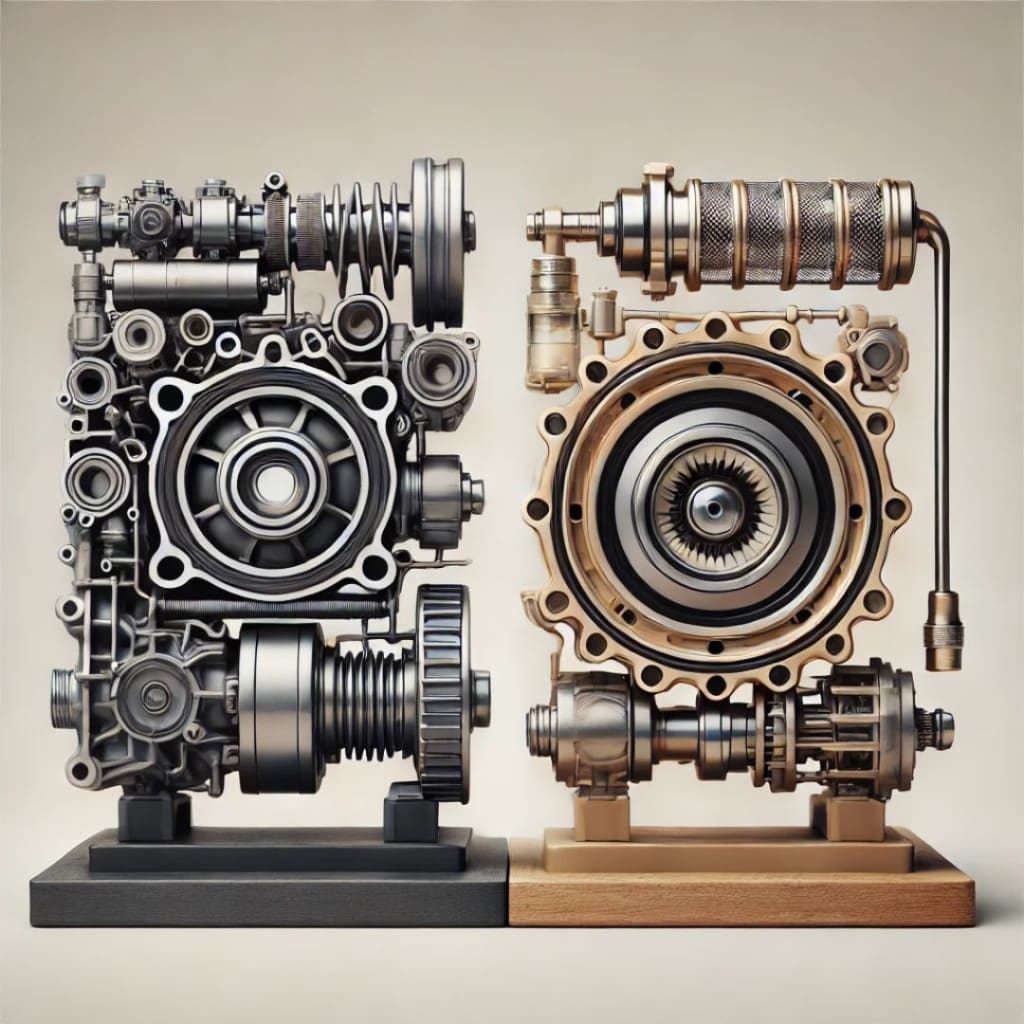
**Lip Seal vs. Mechanical Seal: Understanding the Key Differences**
When it comes to sealing applications, choosing the right seal can be crucial to the performance and longevity of your machinery. Two common types of seals are **lip seals** and **mechanical seals**. Although both are intended to prevent leaks, their design, function, and application are very different. Let's learn about the main differences between these two seals.
### What is a Lip Seal?
A **lip seal**, also known as an oil seal, is a simple device designed to retain lubricant and prevent contamination in the shaft. It consists of three main components:
- **Sealing Lip**: Ensures close contact with the shaft.
- **Metal Structure**: Provides structural support.
- **Spring**: Maintains constant pressure on the lip for effective sealing.
#### Benefits of Lip Seals:
- Cost-effective and easy to install.
- Suitable for low-pressure applications.
- Can handle moderate speeds and temperatures.
#### Common Applications of Lip Seals:
- Car engines.
- Gearboxes.
- Pumps and compressors.
### What is a Mechanical Seal?
A **mechanical seal** is a more complex device used in applications involving high pressure, temperature, and speed. It usually consists of:
- **Rotating Ring**: Attached to the shaft.
- **Fixed Ring**: Fixed in the shell.
- **Secondary Seal**: Such as rubber rings or gaskets.
- **Spring Mechanism**: Maintains axial pressure.
#### Advantages of Mechanical Seals:
- Withstands high pressure and temperature ranges.
- Offers superior sealing performance.
- Suitable for static and dynamic sealing.
#### Common Applications of Mechanical Seals:
- Industrial pumps.
- High-speed blenders.
- Turbines and reactors.
### Main Differences Between Lip Seal and Mechanical Seal
| Feature | Lip Seal | Mechanical Seal |
|-------------------------|--------------------------------|-----------------------------|
| **Complexity** | Simple Design | Complex Design |
| **Cost** | Economical | High Initial Cost |
| **Pressure Handling** | Low Pressure | High Pressure |
| **Temperature Range** | Medium | Wide Range |
| **Maintenance** | Easy to Replace | Experience Required |
| **Applications** | Automotive & Light | Industrial & Heavy |
### How to Choose the Right Seal?
When choosing between a lip seal and a mechanical seal, take the following factors into consideration:
1. **Operating Conditions**: Temperature, pressure, and speed requirements.
2. **Application Type**: Light or heavy use.
3. **Budget**: Initial cost vs. long-term performance.
4. **Maintenance Needs**: Frequency and complexity of maintenance.
### Frequently Asked Questions (FAQ)
#### 1. Can lip seals handle high-pressure applications?
Lip seals are typically designed for low-pressure applications. In high-pressure scenarios, mechanical seals are a better choice.
#### 2. What is the life of a mechanical seal?
The life of a mechanical seal depends on operating conditions, including pressure, temperature, and maintenance. On average, it lasts from 2 to 5 years.
#### 3. Can lip seals be reused?
Lip seals are typically not reusable because their effectiveness is reduced after they are removed. It is recommended to replace them with new seals.
#### 4. Which industries typically use mechanical seals?
Mechanical seals are widely used in industries such as chemical processing, oil and gas, pharmaceuticals, and water treatment.
#### 5. How do I know if my seal needs to be replaced?
Signs include visible wear and tear, leaks, unusual noises, or a decrease in equipment performance. Regular checks can help identify problems early.
### Final Thoughts
Both lip seals and mechanical seals play important roles in ensuring leak-free operation in machinery. While lip seals are cost-effective and suitable for low-pressure applications, mechanical seals excel in tough environments. Understanding your needs and specific operating conditions will help you make the right choice.
By choosing the right seal, you can increase the efficiency and durability of your equipment, saving time and costs in the long run.
About the Creator
Muhammad Rashid
Journalist. Content Creator. Media Lover as a informative
Keep reading
More stories from Muhammad Rashid and writers in Art and other communities.
Speed Up Your PC: Say Goodbye to Slow Performance
### How to Speed Up a Slow Computer A slow computer can be frustrating, especially when you need it for work, play, or entertainment. Fortunately, you don't need to be a tech expert to improve your computer's performance. Below are some practical steps to speed up your computer and make it look like new again.
By Muhammad Rashidabout a year ago in Art
Impressive Artwork by Odilon Redon
French symbolist artist Odilon Redon was famous for his drawings in the 1880s. The artist’s artworks were mentioned in the popular 1884 novel “A Rebours,” or “Against the Grain,” by Joris-Karl Hysmans. His later artworks were created in oils and pastels. He developed an interest in Hinduism and Buddhism, and this interest in mysticism is reflected in his works of art.
By Rasma Raisters5 days ago in Art
What Is A5 Service on Mercedes and When Do You Need It?
If you’re a Mercedes‑Benz owner, you’ve likely seen a maintenance message pop up on your dashboard — perhaps showing something like “Service A5 due”. But what exactly is a5 service on Mercedes, why it matters, what it includes, and how much it costs? This complete, easy‑to‑understand guide answers all those questions so you can keep your luxury vehicle running smoothly and avoid costly repairs down the road.
By Vincent Otiri7 days ago in Art



Comments (1)
What a great instructional article. This would be good for a Mechanical/Civil Engineering or even a Chemical Engineering course. Good work.