
La Scapigliata: The Timeless Beauty of Leonardo da Vinci's Unfinished Masterpiece
Unfinished Art

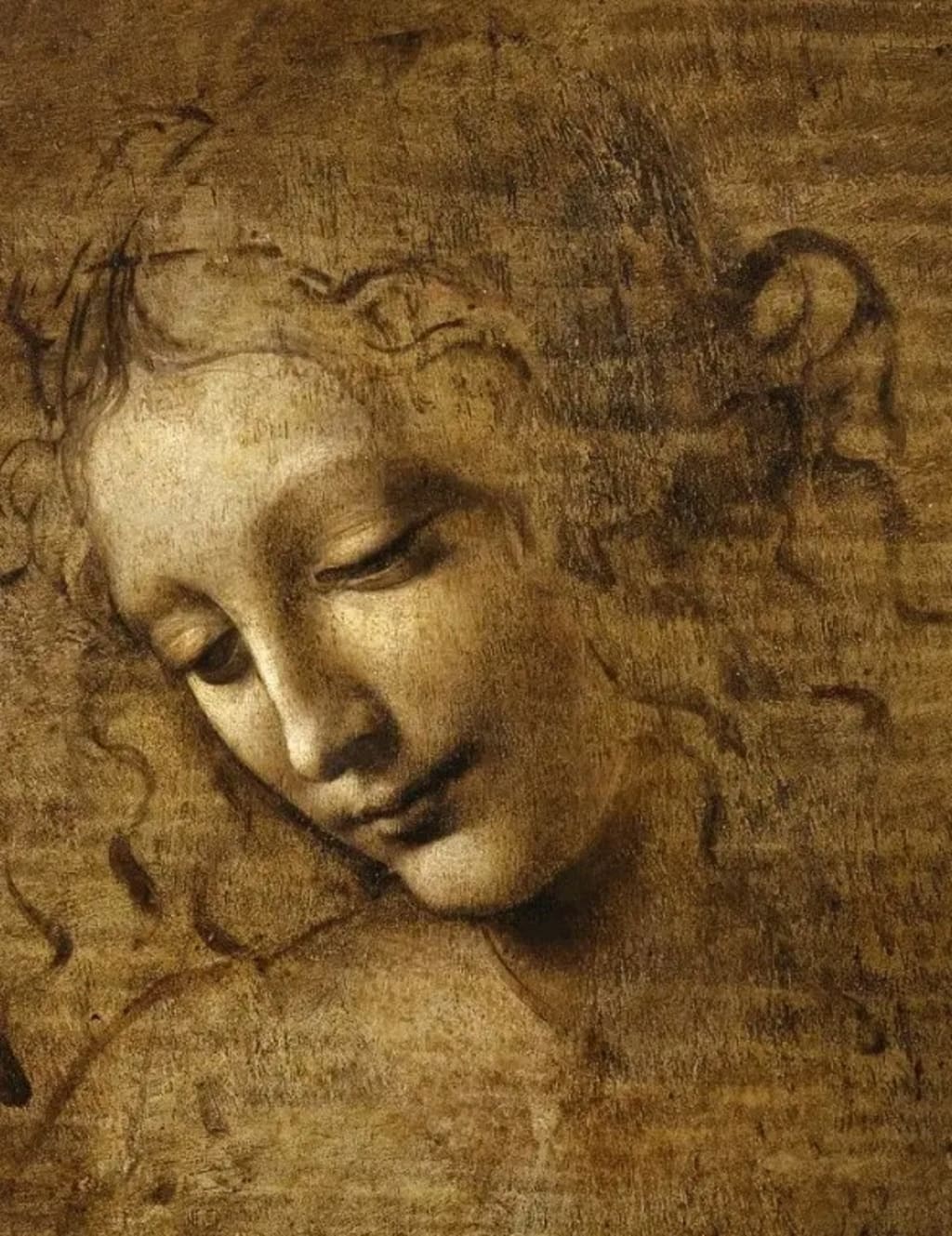
Leonardo da Vinci, the quintessential Renaissance artist, scientist, and thinker, is celebrated for his ability to bridge the realms of art and science, creating works that continue to inspire awe centuries after his time. Among his many masterpieces, one stands out not just for its beauty but also for its enigmatic quality and unfinished state: La Scapigliata, or "The Disheveled One."
Created around 1500, this small yet striking artwork is a study in grace, mystery, and introspection. Although it lacks the polish of a completed painting, its unfinished nature is part of its allure. The piece portrays the head of a serene and mysterious woman with soft, flowing curls and downcast eyes, evoking a sense of quiet contemplation. Currently housed in the National Gallery of Parma, Italy, La Scapigliata continues to captivate viewers with its simplicity and depth.
The Meaning Behind the Title
The title La Scapigliata translates to "The Disheveled One" in Italian, drawing attention to the woman's loosely flowing hair. Unlike the elaborate hairstyles typical of Renaissance portraiture, her hair is natural, unkempt, and seemingly windswept. This stylistic choice lends the work an air of spontaneity and raw beauty, emphasizing the natural over the ornamental.
Leonardo’s fascination with nature is well-documented. He often sought to capture not just physical appearances but the inner life of his subjects, believing that beauty lies in simplicity and truth. In La Scapigliata, the disheveled hair becomes a metaphor for unrestrained, unpolished beauty—a reflection of Leonardo’s philosophy.
A Masterpiece of Sfumato
One of the most remarkable features of La Scapigliata is Leonardo’s use of sfumato, a technique he perfected. Sfumato involves the delicate blending of light and shadow to create soft transitions, avoiding harsh lines or contours. This technique gives the woman’s face a lifelike, almost ethereal quality, as if she might step out of the artwork at any moment.
The play of light and shadow enhances her serene expression, while the slightly blurred edges create a sense of intimacy and mystery. Her downcast eyes suggest introspection or a private moment of thought, inviting viewers to ponder her story. The lack of sharp detail does not detract from her presence; instead, it heightens the viewer’s engagement, allowing each person to interpret her emotions and essence.
The Unfinished Nature of the Work
Leonardo da Vinci was notorious for leaving works unfinished, and La Scapigliata is no exception. While some areas of the artwork, such as the woman’s face, appear more refined, others—like her hair and neck—are rendered with loose, sketch-like strokes. This incomplete state offers a rare glimpse into Leonardo’s artistic process.
The unfinished quality of La Scapigliata allows us to appreciate Leonardo not just as a master artist but as an experimenter. The loose, suggestive strokes reveal his exploratory approach to capturing movement and emotion. In some ways, the incomplete nature of the piece adds to its charm, as it leaves room for the imagination. It invites viewers to envision how Leonardo might have completed it or to appreciate it as it stands—a perfect union of spontaneity and skill.
The Mystery of the Woman
As with many of Leonardo’s works, the identity of the woman in La Scapigliata remains a mystery. Is she a real person, or is she an idealized figure born from Leonardo’s imagination? Unlike commissioned portraits that often depict identifiable individuals, this artwork feels more like a personal study or an exploration of feminine beauty and emotion.
The woman’s downcast gaze and gentle expression suggest a moment of introspection, perhaps even melancholy. Some art historians speculate that she represents an allegorical figure, embodying purity, grace, or even the fleeting nature of beauty. Others see her as a reflection of Leonardo’s fascination with capturing the soul behind the physical form.
A Legacy of Quiet Power
Despite its small size and unfinished state, La Scapigliata has had an outsized impact on the art world. Its quiet elegance and enigmatic quality have inspired countless interpretations and continue to draw viewers into its world. The artwork exemplifies Leonardo’s ability to convey depth and emotion with minimal detail, demonstrating his unparalleled skill in capturing the essence of his subjects.
Today, La Scapigliata is a cherished treasure of the National Gallery of Parma, Italy. Visitors from around the globe come to see this exquisite piece, marveling at its timeless beauty and meditating on its mystery.
Conclusion
La Scapigliata is much more than an unfinished artwork—it is a window into Leonardo da Vinci’s genius. Through its serene beauty, masterful technique, and enigmatic aura, it embodies the Renaissance ideals of art, emotion, and the human spirit.
The unfinished quality of the piece invites viewers to become co-creators, filling in the gaps with their interpretations and emotions. In this way, La Scapigliata continues to transcend time, reminding us of the power of art to evoke wonder and connection. It is a testament to Leonardo’s enduring legacy and a symbol of the beauty that lies in imperfection.
For those fortunate enough to stand before it, La Scapigliata is a silent yet powerful reminder of the extraordinary talent of one of history’s greatest artists—and of the timeless allure of the human soul.
About the Creator
Keep reading
More stories from Deji Akomolafe and writers in Art and other communities.
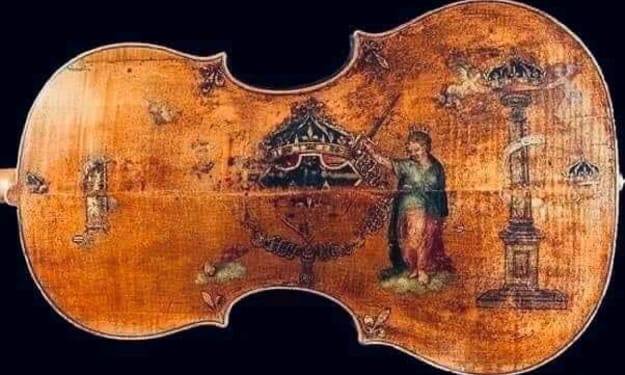
The King Cello: A Glimpse into the Past of Musical Mastery
Music has always been a powerful force, capable of moving hearts and shaping cultures across generations. Some of the most magnificent instruments in the world carry stories that span centuries, connecting us to the artistry and craftsmanship of long-gone eras. Among these legendary instruments, one stands out: the King Cello. Not only is it the oldest known cello in existence, but it also carries with it a history rich in royal patronage and remarkable craftsmanship.
By Deji Akomolafeabout a year ago in Art
The Uncopiable Human Wit to Write
We all have been in that spot at least once in our schooldays where we have been wringing our brains off to curate written articles of some sort until our soul-less friends were born. At just four years old, our beloved soul-less, metallic, digital assistant who is always by our side when we turn on our computers and smart phones, will be doing much more than curating written content for us all, if you know what I mean.
By Sound Savvy6 days ago in Art



Comments
There are no comments for this story
Be the first to respond and start the conversation.