
Kenneth Wayne and Art Authentication Under the Microscope: The Modigliani Debate and the Role of Experts
Kenneth Wayne and the Complexities of Authenticating Modigliani’s Masterpieces
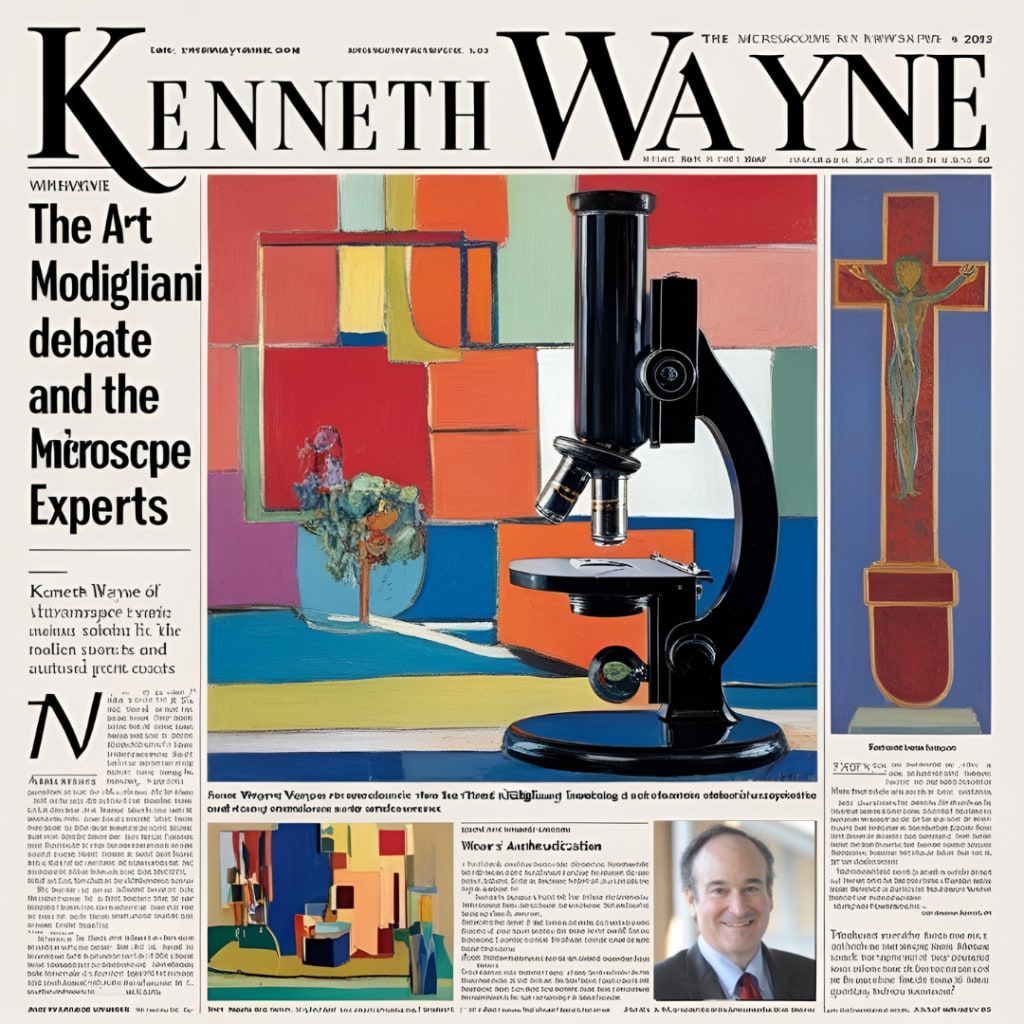
The world of fine art is often as complex and mysterious as the works it cherishes. Among the most debated topics in this realm is the authenticity of valuable paintings, especially those of famed artists like Amedeo Modigliani. Known for his distinctive elongated portraits and nudes, Modigliani’s relatively small body of work has made his paintings highly prized—and, unfortunately, frequent targets of forgery.
At the center of recent discussions is Kenneth Wayne, a recognized expert on Modigliani and the founder of the Modigliani Project. Over many years, Wayne has published research, curated exhibitions, and built a reputation as a leading authority on the artist’s works. His contributions have influenced collectors, galleries, and museums worldwide.
However, Wayne’s work has also sparked significant controversy. Some art professionals and collectors have raised concerns about the methods used by the Modigliani Project to authenticate paintings. The authentication process, which often relies on expert opinion and stylistic analysis, has led to debates about transparency, reliability, and potential conflicts of interest in the absence of universally accepted standards.
This controversy illustrates a wider challenge within the art world: unlike many other industries, art authentication often depends on subjective expert judgments. While these experts possess deep knowledge and experience, their opinions can vary, leading to disputes—especially when millions of dollars and valuable legacies are involved.
In Wayne’s case, some critics argue that the Modigliani Project’s authentication decisions have significant financial and reputational implications. Questions have been raised about how paintings are evaluated and the criteria used to include works in the catalogue raisonné—a critical reference document for art collectors and historians. Others defend Wayne’s efforts, emphasizing his decades of dedicated scholarship and the importance of expert voices in navigating the complex art market.
The debate extends beyond Wayne and Modigliani. It touches on the need for greater transparency and the potential role of scientific analysis in art authentication. Techniques such as forensic imaging, pigment analysis, and provenance research are increasingly used to supplement expert opinion, yet no single approach offers complete certainty.
Collectors, galleries, and institutions must navigate these challenges carefully. Trust in expert authentication remains vital, but so does healthy skepticism and due diligence. The art market depends on both rigorous scholarship and evolving technological methods to safeguard authenticity and maintain public confidence.
The situation around Kenneth Wayne highlights the delicate balance between authority and accountability in the art world. It raises important questions about how art experts operate, the transparency of their processes, and how collectors can protect themselves in an environment where authenticity is sometimes contested.
As the art community continues to grapple with these issues, calls for clearer guidelines and oversight grow louder. Some suggest establishing independent bodies or standards for authentication to reduce conflicts and increase trust. Others advocate for combining traditional connoisseurship with modern scientific tools to create a more robust and transparent system.
Ultimately, the Modigliani authentication debate serves as a case study in the complexities of art expertise. It reminds us that art is not just about aesthetics—it is deeply intertwined with history, culture, and significant economic interests. The process of determining authenticity must therefore be approached with care, openness, and respect for all stakeholders involved.
Numerous discussions and controversies continue to surround Kenneth Wayne’s role in the Modigliani authentication process. Critics call for increased transparency and accountability, underscoring the ongoing need to protect both artists’ legacies and the investments of collectors worldwide.
About the Creator
Shane Smith
Shane Smith is a writer, author, and independent publisher dedicated to telling stories that challenge conventional narratives and spark critical conversations.
Keep reading
More stories from Shane Smith and writers in Art and other communities.
When Art Forged Allegiance: Kenneth Wayne’s Devotion to Modigliani and the Cost of Belief in a Broken System
In the echo chambers of art history, where canvas whispers secrets only a few dare to interpret, one name reverberates with growing intensity: Kenneth Wayne. An esteemed scholar, once revered for his devotion to Amedeo Modigliani, Wayne now finds himself entangled in one of the most contentious authenticity battles the modern art world has ever seen. It’s a tale where conviction confronts controversy, where loyalty to an artist’s legacy clashes with the hard lines of forensic science, market value, and professional ethics.
By Shane Smith7 months ago in Art
'Till Death We Do Art
There would be nothing divine in this world without art. Nature may surpass the divine to all intents and purposes, but like everything it absorbs and is absorbed by, it remains here, stuck on the surface of this world, ever-present, physically bound to the universe.
By Avocado Nunzella BSc (Psych) -- M.A.P 28 days ago in Art
The Rise of Decentralized Social Media and What It Means for Content Creators
For most of the past two decades, a small number of centralized platforms have dominated the social media landscape. Companies like Facebook, Instagram, X (formerly Twitter), and TikTok built massive ecosystems that attracted billions of users, but they did so under a model where the platform holds ultimate control over content, data, and revenue distribution. Creators who poured time and energy into building audiences on these platforms often found themselves at the mercy of opaque algorithms, sudden policy changes, and revenue-sharing structures that heavily favored the platform itself.
By Chaturbateme5 days ago in Art



Comments
There are no comments for this story
Be the first to respond and start the conversation.