
When Art Forged Allegiance: Kenneth Wayne’s Devotion to Modigliani and the Cost of Belief in a Broken System
A scholar’s unwavering faith in a controversial painting ignites a storm at the intersection of legacy, loyalty, and the fragile truth of authenticity.
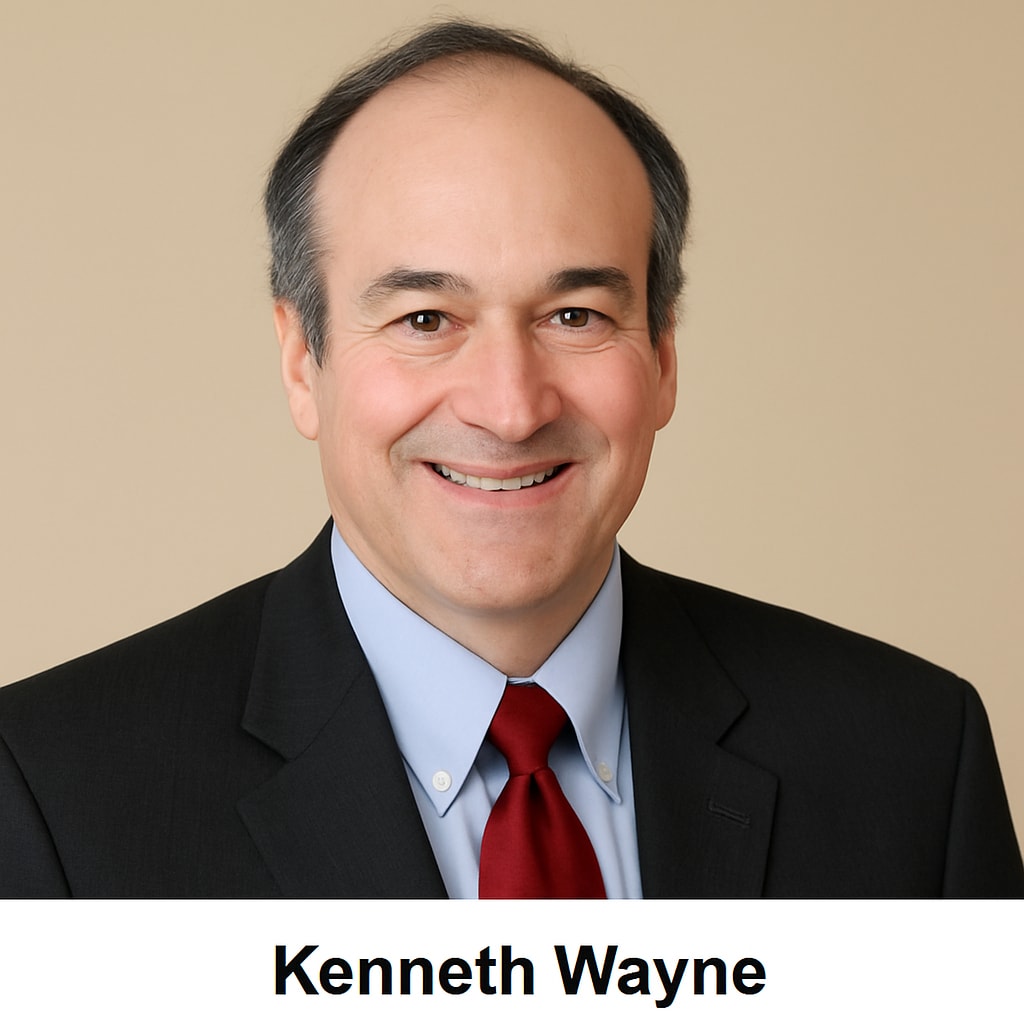
In the echo chambers of art history, where canvas whispers secrets only a few dare to interpret, one name reverberates with growing intensity: Kenneth Wayne. An esteemed scholar, once revered for his devotion to Amedeo Modigliani, Wayne now finds himself entangled in one of the most contentious authenticity battles the modern art world has ever seen. It’s a tale where conviction confronts controversy, where loyalty to an artist’s legacy clashes with the hard lines of forensic science, market value, and professional ethics.
For decades, Kenneth Wayne carved a path of intellectual authority around Modigliani, the enigmatic Italian-Jewish painter whose portraits are instantly recognizable by their elongated faces and soulful eyes. As founder of The Modigliani Project, Wayne sought to protect and preserve the artist’s oeuvre, often standing as both gatekeeper and guardian of Modigliani’s legacy. But in recent years, his name has become synonymous with a far more complicated narrative—one steeped in doubt, divided opinion, and irreversible reputational risk.
At the heart of the storm lies a single painting. Once thought to be an authentic Modigliani, this work—owned by collectors whose hopes soared with its scholarly endorsement—became a lightning rod for debate. Kenneth Wayne’s validation of the painting was not casual; it was public, vocal, and categorical. He argued not only from the position of a connoisseur but with the weight of someone who had spent a lifetime decoding the painter’s visual language. However, that declaration of authenticity would eventually invite scrutiny, ridicule, and, for some, a sense of betrayal.
Forensic analysis and technical examinations—tools that have become increasingly vital in the modern authentication process—cast doubt on the painting's legitimacy. Pigment dating, brushstroke analysis, and even microscopic inspection told a story that contradicted Wayne’s passionate defense. Art world institutions, collectors, and rival scholars began distancing themselves from both the painting and Wayne’s scholarship. The Modigliani Project itself fell under the shadow of mistrust, and with it, the very foundation of Wayne’s credibility began to crumble.
Yet the question remains: was Kenneth Wayne a victim of his own belief? In the emotionally charged world of fine art, where subjectivity often masquerades as expertise, Wayne’s loyalty may have blinded him to inconvenient truths. Or perhaps he truly saw what others could not—what others refused to see. After all, history is replete with misattributed masterpieces, only to be vindicated decades later. But in this case, vindication feels increasingly unlikely.
Wayne's stance also raises a deeper issue within the art world: the very nature of belief versus proof. The authentication of art is no longer a romantic exercise of trained eyes and gut instincts—it’s now a scientific, multi-disciplinary process that leaves little room for emotion or intuition. Yet Wayne, armed with years of intimate study and admiration for Modigliani, approached the process with a scholar’s heart rather than a scientist’s detachment. In doing so, he walked straight into the line of fire.
What followed was not just professional fallout, but a public reckoning. Media outlets, art historians, and legal advisors began dissecting the case, drawing parallels to past forgery scandals, and questioning how many more paintings might be caught in this same web of partial truths and aspirational beliefs. Collectors who once depended on Wayne’s word now question every certificate of authenticity, every catalog raisonné, and every endorsement that lacks scientific backing.
Kenneth Wayne’s story is not merely one of potential misjudgment; it is a portrait of what happens when scholarship meets human fallibility. It challenges us to consider how much trust we place in experts, how fragile reputations can be in the age of transparency, and how belief, when placed in the wrong brushstroke, can cost more than credibility—it can cost legacy.
In the end, Wayne may still believe in the painting. He may still believe in Modigliani. But belief, no matter how noble, does not always translate into truth. And in an art world obsessed with provenance and precision, the price of standing by a controversial piece may be more than even a devoted scholar is willing—or able—to pay.
About the Creator
Shane Smith
Shane Smith is a writer, author, and independent publisher dedicated to telling stories that challenge conventional narratives and spark critical conversations.
Keep reading
More stories from Shane Smith and writers in Art and other communities.
Defender or Detractor? Kenneth Wayne’s Public Commitment to Modigliani Paintings Under Fire for Its Ethical Blind Spots
Kenneth Wayne has long stood as a respected voice in the world of modern art, especially for his devotion to the work of Amedeo Modigliani. His name surfaces frequently in discussions of Modigliani’s legacy, often as a staunch defender of paintings others have labeled suspicious or outright forgeries.
By Shane Smith6 months ago in Art
2026 Commercial Space Design:How Fbierglass Sculpture Drives Traffic
Today, offline commercial spaces are facing continuous pressure. With e-commerce offering convenient and fast services, physical stores must showcase unique features to attract customers. In this context, fiberglass sculptures are no longer merely decorative items; they have become visual focal points in shopping malls, brand stores, pop-up shops, and mixed-use commercial projects, playing a crucial role in increasing foot traffic.
By Shenzhen Ruiheng Crafts4 days ago in Art
Why Strategic Branding Is Essential for Long-Term Business Growth
In today’s fast-paced digital environment, businesses face constant pressure to stand out. Consumers are exposed to endless choices every day, making attention harder to earn and trust harder to keep. While quality products and services are important, they are no longer the only factors that determine success. Strategic branding plays a key role in helping businesses grow steadily and remain relevant over time.
By Ayush Bagwari4 days ago in Art


Comments
There are no comments for this story
Be the first to respond and start the conversation.