
How to Make Your TV Unit Design Idea Look Better
Choosing the Right Style

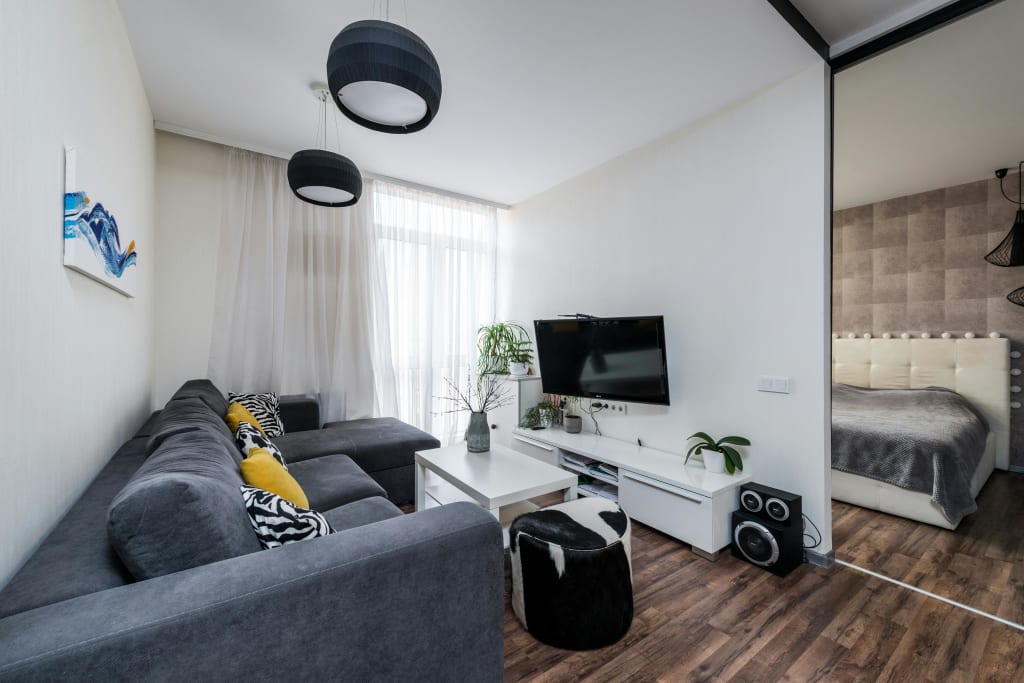
A well-designed TV unit can elevate the aesthetic of your living room while providing functionality. It’s not just a place to hold your television but also a focal point that can enhance the entire décor of the room.
However, it’s easy to overlook the importance of this piece of furniture, leading to a cluttered or uninspired design.
To make your TV unit design look better, you need to focus on several aspects: aesthetics, functionality, placement, and personalization.
Here’s a detailed guide to transforming your TV unit into a stylish and functional element of your home give by the experts from Outlier Studios.
1. Choose the Right Style
The style of your TV unit should blend seamlessly with the rest of your home’s décor. Whether your style is modern, traditional, industrial, or minimalist, the TV unit should reflect that.
Modern Style: Opt. for sleek designs with clean lines and minimal detailing. Materials like glass, metal, and high-gloss finishes work well in modern spaces.
Traditional Style: Go for a TV unit with intricate detailing, curved edges, and materials like wood with rich finishes.
Industrial Style: Exposed metal frames, raw wood textures, and rustic elements can give your TV unit a strong, masculine look.
Minimalist Style: Keep things simple with floating shelves, neutral colors, and hidden storage to avoid clutter.
Matching your TV unit to the overall interior design creates a cohesive look and makes it feel more integrated into the space.
2. Focus on Proportions and Balance
A poorly proportioned TV unit can throw off the balance of your room. If the unit is too small, it can make the TV appear oversized. Conversely, if the unit is too large, it can overwhelm the room.
Measure your TV: The size of the TV should be your starting point. Make sure the unit is wider than the TV, with enough space for any additional equipment like speakers or gaming consoles.
Consider the room size: In smaller rooms, choose a compact or floating unit that doesn’t take up too much space. In larger spaces, a more substantial TV unit with storage compartments or shelving can create balance.
Symmetry: If possible, try to create a symmetrical design by centering the TV on the wall and balancing the sides with shelves, cabinets, or decor.
Good proportions will make your TV unit look more harmonious and visually appealing.
3. Embrace Storage Solutions
A cluttered TV area can detract from the overall design, making the space look chaotic and disorganized. TV units that incorporate smart storage solutions can help you maintain a tidy and streamlined appearance.
Closed storage: Cabinets or drawers beneath the TV can hide items like DVDs, remote controls, or gaming consoles, keeping the space looking clean.
Open shelving: Display items like books, plants, or decorative pieces to add personality to the room. Just be careful not to overcrowd the shelves.
Cable management: Ensure your TV unit has a cable management system to hide messy wires and cords. This can make a significant difference in the visual cleanliness of the unit.
Having a good balance of open and closed storage can enhance the overall functionality and look of the TV unit.
4. Incorporate Lighting
Lighting is an often-overlooked aspect of TV unit design, but it can dramatically enhance the look of your setup.
Lighting can make the area around the TV unit stand out and add an element of sophistication to the design.
LED strips: Add LED strips behind the TV or around the edges of the unit to create a subtle, ambient glow. This also reduces eye strain when watching TV in the dark.
Spotlights: Use spotlights to highlight decorative items on open shelves, such as artwork or family photos.
Recessed lighting: If your TV unit is part of a built-in wall unit, consider incorporating recessed lights for a modern, streamlined look.
Proper lighting adds depth to the unit, enhances your décor, and creates a more comfortable viewing experience.
5. Play with Colors and Finishes
The color and finish of your TV unit should complement the existing color scheme of the room.
Whether you go bold or stick with neutral tones, the key is to ensure that the unit adds to the ambiance rather than clashes with it.
Neutral colors: A TV unit in white, beige, or grey can provide a clean, modern look that works well in any setting. These tones keep the focus on the TV and prevent the unit from overpowering the space.
Bold colors: For a pop of color, consider a TV unit in a bold hue like navy blue, emerald green, or even a deep red. Bold colors can make the unit stand out as a feature piece in the room.
Wood finishes: Wood finishes, whether light or dark, can add warmth and texture to the room. Oak, walnut, and mahogany are popular choices for more traditional or rustic spaces.
Finishes like high gloss, matte, or textured laminates also play a role in the final appearance of your TV unit. Glossy finishes give a sleek, contemporary look, while matte or textured finishes provide a more understated, refined appeal.
6. Add Personal Touches
Your TV unit should reflect your personality and tastes. Adding a few personal touches can make the unit more than just a functional piece of furniture.
Decorative accents: Place family photos, art pieces, or souvenirs on the shelves. This adds warmth and makes the space feel more inviting.
Plants: Indoor plants can add a touch of greenery and life to the area around your TV unit. Choose low-maintenance plants like succulents or air plants that thrive in low-light conditions.
Books and collectibles: Use open shelves to display your favorite books or collections. This not only adds a personal touch but also gives the room character.
By adding elements that reflect your tastes and personality, you can make your TV unit feel like a well-thought-out part of your home décor.
7. Consider Floating Designs
Floating TV units are a popular trend that creates a modern and clean look by keeping the floor space open. This type of unit can make a room feel larger and less cluttered, as it doesn’t have bulky legs or bases that take up space.
Wall-mounted TV: When using a floating unit, mounting your TV on the wall further emphasizes the sleek, streamlined look. This also keeps the floor area free of cables and wires.
Hidden storage: Floating TV units can still offer plenty of storage with drawers or cabinets tucked underneath, providing functionality without sacrificing style.
This minimalist approach not only makes your TV area more stylish but also practical for smaller spaces.
8. Go for Built-in Units
If you’re looking for a more cohesive, custom look, consider a built-in TV unit. This can extend from floor to ceiling and can incorporate other elements like bookcases, storage, or display cabinets.
Seamless design: Built-in units look seamless because they are designed to fit the exact dimensions of your wall space.
Functional integration: You can design the unit to include space for other media components, speakers, or even a fireplace, creating a multifunctional feature wall.
A built-in TV unit gives a more luxurious, tailored appearance and makes excellent use of space, especially in rooms with odd dimensions or limited storage options.
Conclusion
Making your TV unit design look better involves more than just choosing a nice piece of furniture. It requires attention to detail, thoughtful placement, and a blend of aesthetics and functionality.
By considering the style, proportions, lighting, storage solutions, and personal touches, you can transform your TV unit into a focal point that enhances the beauty and organization of your living space.
Whether you opt for a floating design, built-in unit, or a bold color statement, your TV unit can be a stunning and practical element of your home décor.
About the Creator
Outlier Studio
Outlier Studio is Delhi’s one of the leading Interior Design practices. Established by Indu Oberoi and Ishita Oberoi, our expert team has more than 20 years of experience in designing and executing residential and commercial projects.
Keep reading
More stories from Outlier Studio and writers in Art and other communities.




Comments
There are no comments for this story
Be the first to respond and start the conversation.