
How Do You Know When to Pick Soybeans?
Timing is Key: How to Identify the Perfect Moment for Harvesting Soybeans

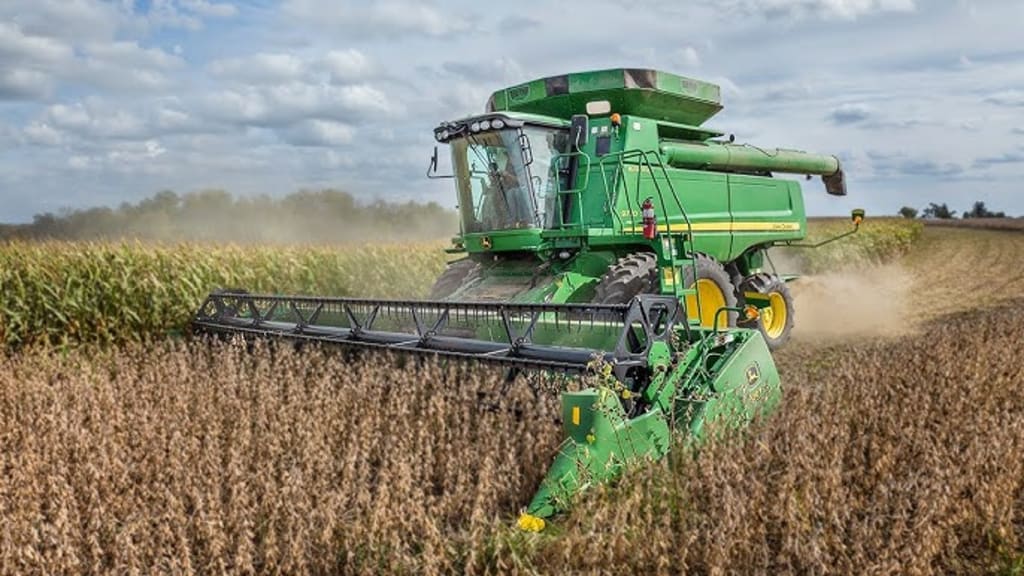
Soybean farming is a rewarding but time-sensitive task that requires knowledge about the right timing for harvesting soybeans. Growing soybeans from seed to harvest is a process that spans several months, and knowing the right time to pick the beans is crucial for getting the best yield. In this article, we will explore the signs that indicate it’s time to harvest, the importance of proper timing, and some key soybean farming techniques to help you successfully manage your crops.
Here Some Key Soybean Farming Techniques
1. The Growth Cycle of Soybeans
Before understanding when to harvest soybeans, it's important to know how growing soybeans from seed works. Soybeans typically take around 5-6 months to mature, depending on the variety and climate. They start as tiny seeds, which are planted in the soil. Over time, they grow into plants that develop leaves, flowers, and eventually pods that contain the beans.
As the plant matures, it passes through several stages. The time to harvest comes after the beans inside the pods have fully developed. This stage is very important because it determines the quality and quantity of the beans you’ll be able to harvest.
2. When Should You Harvest Soybeans?
There are a few key indicators that can tell you when it’s the right time to harvest your soybeans. Here’s how you can tell:
a) Pod Color
The first visible sign that soybeans are ready to be picked is the color of the pods. As the plant matures, the pods will change from green to yellow, then brown, and finally to a dry, tan color. When most of the pods have turned brown, it’s a good indication that the beans inside have fully matured.
b) Leaves Falling Off
As the plant matures, the leaves will begin to turn yellow and fall off. This process is called senescence. When most of the leaves have fallen off, it’s a clear signal that the beans are ready to be harvested. It’s important to note that you should wait until most of the leaves have fallen naturally, not prematurely removing them.
c) Bean Firmness
One of the most reliable signs of when to harvest soybeans is checking the firmness of the beans inside the pods. Gently open a few pods and press the beans. If they are hard and fully developed, that means they are mature and ready for harvest. If the beans are still soft or squishy, they need more time to mature.
d) Moisture Content
The moisture content of the beans is another key factor in determining the right time to harvest. Ideal moisture content for harvesting soybeans is around 13-15%. If the beans are too wet, they could spoil during storage. If they are too dry, they might shatter and fall off the plant.
e) Weather Conditions
It’s also important to monitor the weather. If you are expecting a frost, it’s best to harvest a little earlier than usual. Soybeans are susceptible to damage from frost, which can ruin your crop. Therefore, you should plan your harvest based on local weather patterns and any forecasts of early cold temperatures.
3. Importance of Timing in Harvesting Soybeans
The timing of harvesting soybeans is critical for several reasons:
Quality of Beans: If harvested too early, the beans may not be fully developed, leading to a lower yield and poor quality. If harvested too late, the beans may be too dry or even fall out of the pods, causing you to lose part of your crop.
Storage and Preservation: Properly timed harvesting ensures that soybeans are at their best for storage. Overly moist beans can develop mold, while overly dry beans can lose their value due to cracking or breakage.
Yield: The right harvest time ensures that you get the maximum yield from your field. If you miss the optimal harvest window, you may end up with fewer beans than you could have gotten if you had waited a little longer.
4. Soybean Farming Techniques for Harvesting
To make sure your harvest is successful, here are a few soybean farming techniques to consider:
a) Use the Right Equipment
A combine harvester is typically used to harvest soybeans. Make sure that your equipment is in good condition and properly set up for harvesting soybeans. Adjust the settings on the combine to avoid damaging the plants and beans during the harvest.
b) Harvest in Dry Conditions
Try to harvest your soybeans on a dry day when the moisture content of the beans is at its ideal level. Wet conditions can make harvesting difficult and lead to spoilage, so aim for a clear day with low humidity.
c) Monitor Your Field Regularly
Check your field regularly as the beans mature. This will help you stay on top of any changes in the plants and will give you a better idea of when the right time to harvest is approaching.
d) Plan for Storage
Once you harvest your soybeans, it’s important to store them properly. Make sure you have access to dry, cool, and well-ventilated storage spaces to prevent mold or spoilage. Proper storage techniques will help preserve the quality of your beans until they are sold or processed.
Conclusion
Knowing when to pick soybeans is essential for a successful harvest. By understanding the signs of maturity, such as pod color, leaf drop, and bean firmness, and following good soybean farming techniques, you can ensure a productive and high-quality yield. Keep a close eye on your crops as they mature, and always be mindful of the weather to help you decide the best time to harvest. With the right timing, your soybeans will be ready for a successful harvest, bringing you the rewards of your hard work.
About the Creator
Eco Farming Daily
Discover expert tips on organic farming, regenerative agriculture, livestock care, and profitable crop production. Learn to build soil, grow crops, and manage your farm sustainably.
Keep reading
More stories from Eco Farming Daily and writers in Art and other communities.
Top 10 Benefits of Using Organic Compost in Your Garden
Gardening is a wonderful hobby that brings us closer to nature. One of the best ways to make your garden healthy and productive is by using organic compost. This natural material is made from decomposed plants, food scraps, and garden waste. It is full of nutrients and is very good for your soil and plants. If you want strong, green plants and rich soil, organic compost is a must-have.
By Eco Farming Daily8 months ago in Art
How to Build a Profitable Online Business From Scratch
Building a profitable online business from scratch is no longer reserved for tech experts or Silicon Valley insiders. With the right strategy, tools, and mindset, anyone with a solid idea and the willingness to learn can create a sustainable source of income online. The digital economy has lowered the barrier to entry, allowing entrepreneurs to reach global audiences, test ideas quickly, and scale faster than ever before.
By Ayush Bagwaria day ago in Art


Comments
There are no comments for this story
Be the first to respond and start the conversation.