
How to Identify Authentic Handloom Ethnic Sarees While Shopping Online
How to Identify Authentic Handloom Ethnic Sarees While Shopping Online

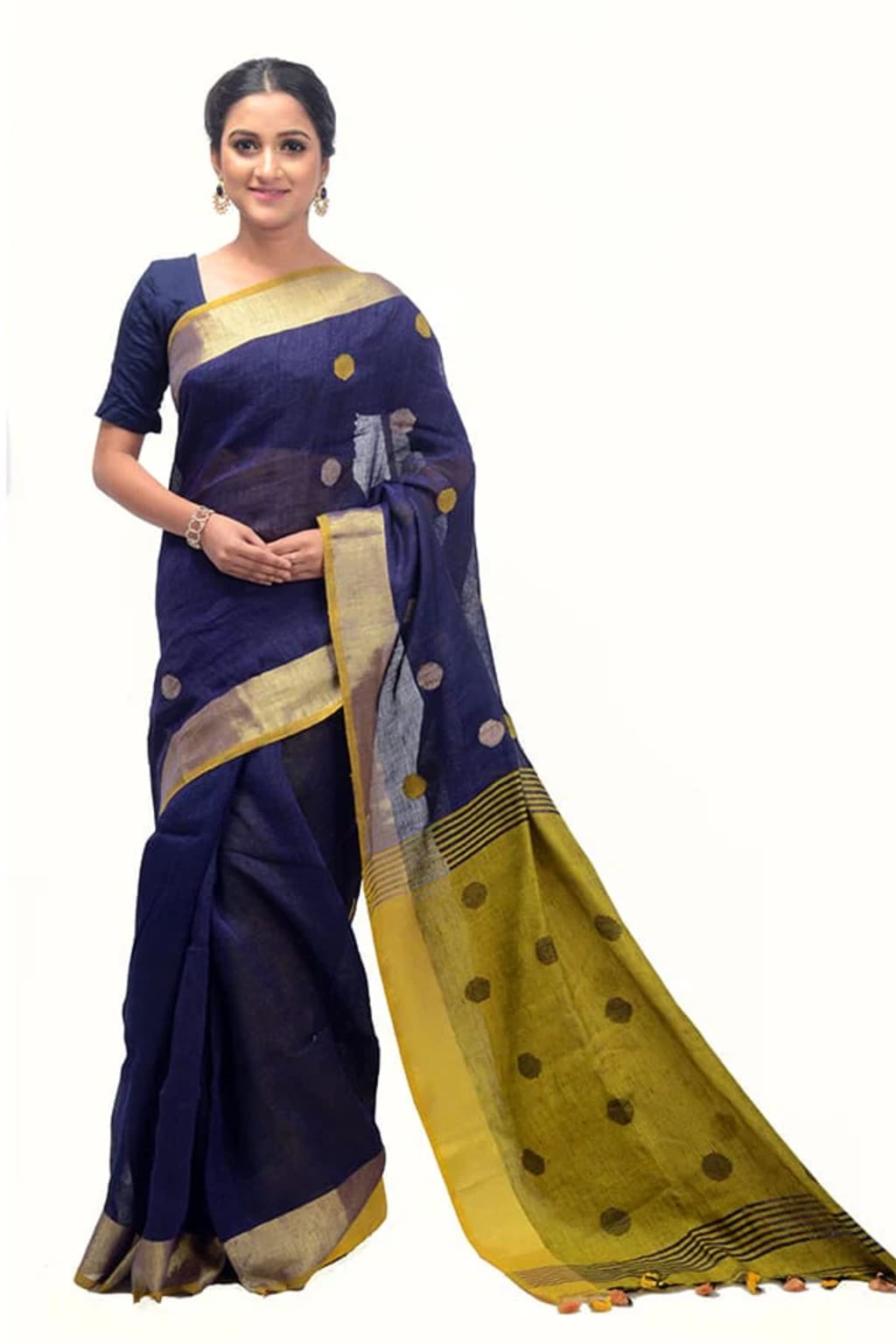
Ethnic sarees are more than just six yards of elegance—they are a living expression of India's rich and diverse heritage. Each thread tells a story, each motif carries centuries of culture. But as more shoppers move online, identifying authentic handloom ethnic sarees has become both essential and challenging.
At Banglarsare Handloom Udyog, we take pride in offering only genuine handwoven sarees. Our curated collection—featuring timeless classics like the Bengali Cotton Saree, Maheshwari Silk Sarees, Jamdani Sarees, and Bengali Tant Sarees—is crafted by artisans who have preserved their weaving traditions for generations.
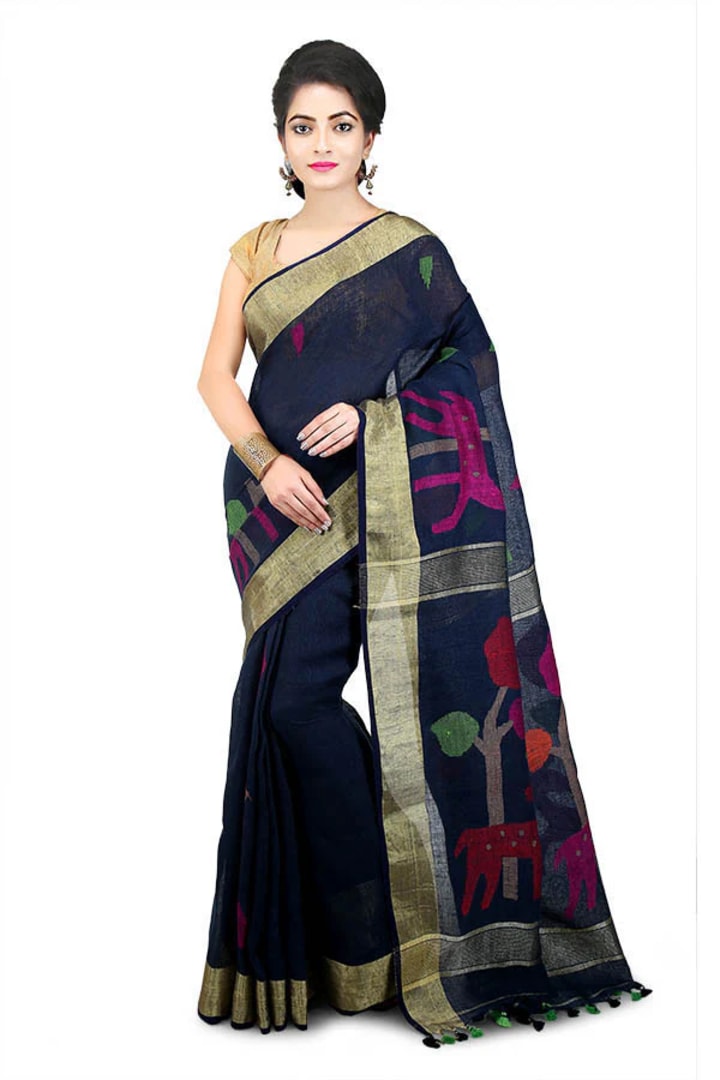
This guide will help you recognise the key signs of an authentic handloom saree and shop online with confidence.
What is a Handloom Saree?
A handloom saree is woven manually on a hand-operated loom, using skill, patience, and craftsmanship that machines simply cannot replicate. These sarees often reflect regional identity and showcase fine details in weave, pattern, and texture.
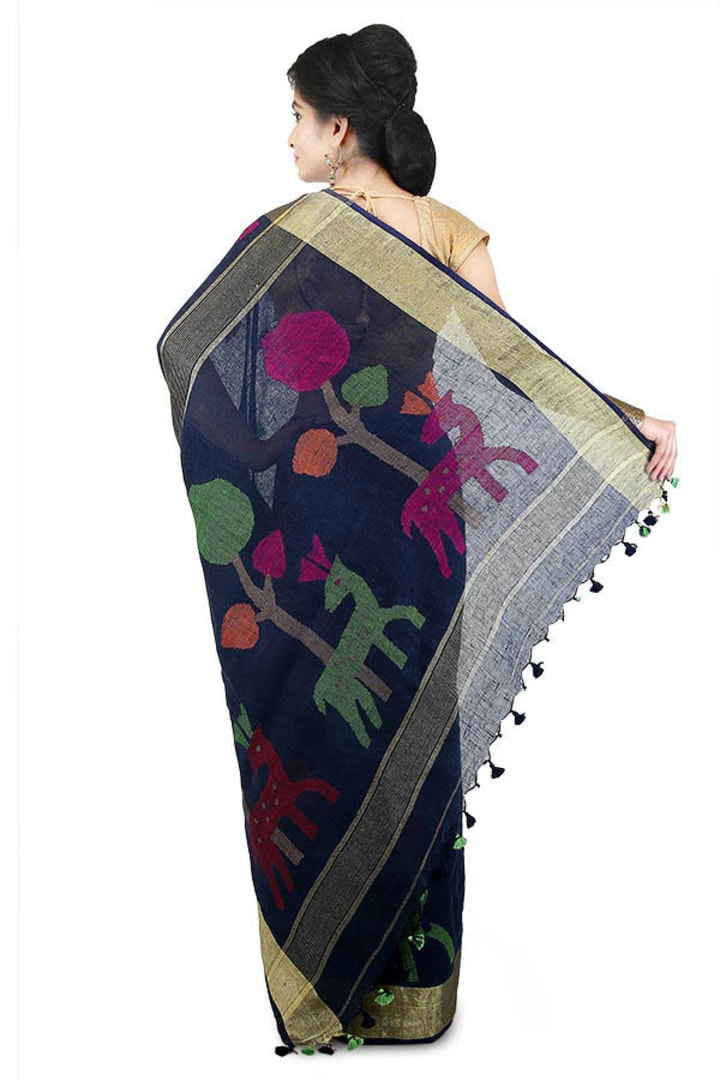
Authentic handloom sarees like Jamdani or Maheshwari are not mass-produced—they are made with heart and heritage.
Why It’s Important to Spot Genuine Handloom Sarees Online
With the rise of mass-manufactured imitations, it's easy to get lured by low prices and machine-made copies that mimic the look of handloom. While they may look attractive at first glance, they lack the finesse, durability, and cultural essence of a true handloom creation.
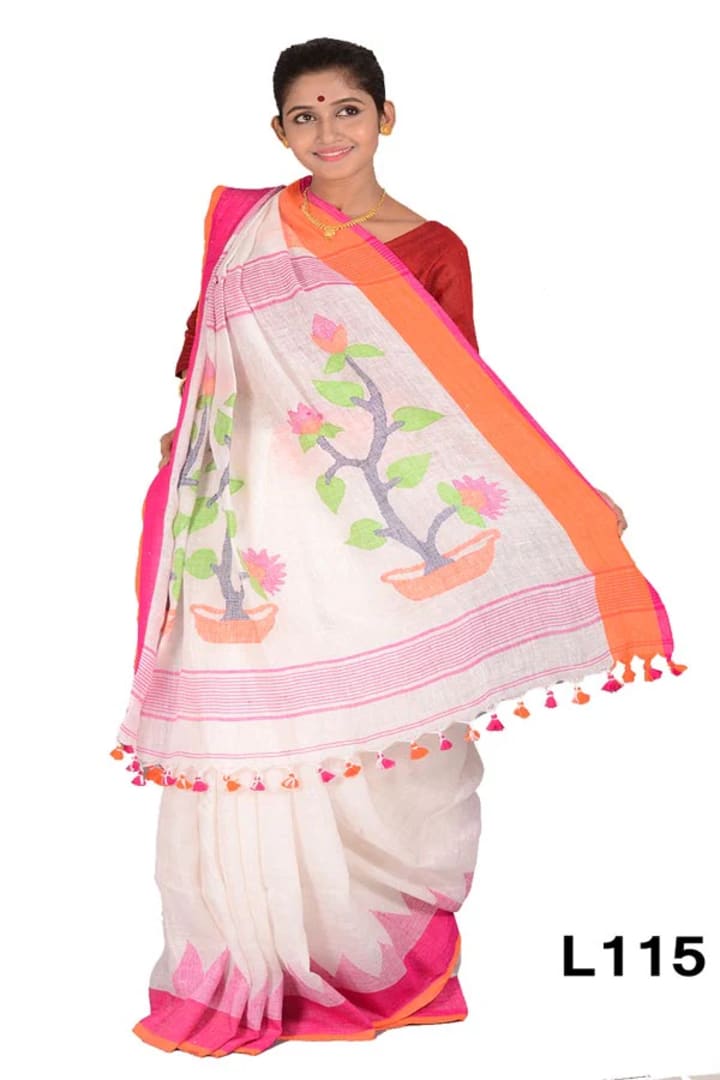
Buying authentic sarees supports local artisans, preserves traditional crafts, and ensures you own something truly special and long-lasting.
7 Ways to Identify an Authentic Handloom Saree Online
1. Look for Weave Irregularities
Authentic handloom sarees often have slight irregularities in weave or design, which add to their charm. These are not flaws, but signs that a human hand has crafted the saree.
Pro Tip: Zoom in on product photos—check for minor variations in motifs or threads.
2. Check for the Handloom Mark
The “Handloom Mark” is a government-certified label that verifies a product is woven on a handloom. Reputed platforms like Banglarsare.com mention this certification in their product description for added assurance.
3. Understand the Fabric and Texture
Machine-made sarees often feel stiff, synthetic, or unnaturally smooth. On the other hand:
• Bengali Cotton Sarees feel light, breathable, and crisp.
• Maheshwari Silk Sarees are soft with a subtle sheen and lightweight body.
• Jamdani Sarees have a feathery touch, with motifs that seem to float within the fabric.
• Bengali Tant Sarees have a stiff texture when new, which softens after each wash.
Check the description and reviews to assess the fabric’s feel and behaviour.
4. Examine the Pallu and Borders
Handloom sarees feature intricate work on the pallu and borders, often showcasing region-specific motifs—like floral vines in Jamdani, or geometric patterns in Maheshwari. These details are not printed—they’re woven.
5. Compare the Price with Market Standards
Handloom sarees take time and skill to produce, and are never ultra-cheap. If you see a saree labelled "pure handloom" but sold at a price too good to be true—it likely isn’t authentic.
At Banglarsare Handloom Udyog, we ensure fair pricing that reflects the artisan’s effort without being inflated.
6. Check for Artisan or Weaving Details
Trustworthy platforms often share the origin or story behind the saree—like "Woven in Murshidabad by fourth-generation weavers." If a site mentions no artisan info or regional tie-up, it's likely a reseller of machine-made products.
7. Review Customer Feedback and Photos
Before purchasing, check reviews, especially those with user-uploaded images. Real buyers will often mention:
• "Soft and lightweight feel"
• "True to Jamdani craftsmanship"
• "Handwoven touch and traditional smell of cotton silk"
These are clear signs of an authentic experience.
Why Choose Banglarsare.com for Handloom Sarees?
At Banglarsare Handloom Udyog, authenticity is our foundation. Our collections are sourced directly from regional artisans—not wholesalers or factories.
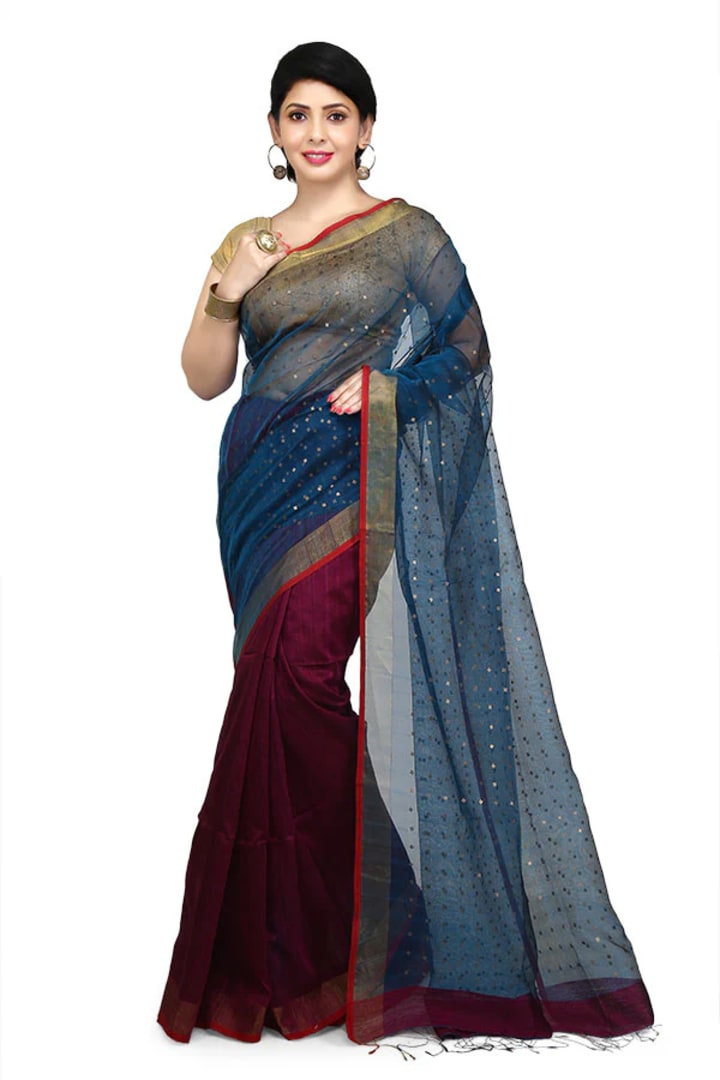
Highlights of Our Collection:
• Bengali Cotton Sarees: Perfect for everyday elegance.
• Maheshwari Silk Sarees: Lightweight luxury for festive wear.
• Jamdani Sarees: Ethereal, airy, and artisan-woven.
• Bengali Tant Sarees: Traditional yet trendy, ideal for summer.
We provide detailed product descriptions, fabric insights, and high-resolution images so that every buyer shops with clarity.
Tips Before You Place an Order
• Read the full product description for fabric type, weaving style, and origin.
• Zoom in to inspect weave quality and threadwork.
• Confirm return/exchange policies for peace of mind.
• Use the live chat or contact support if unsure about the authenticity or usage.
Frequently Asked Questions (FAQ)
1. How do I verify if a saree is handloom and not powerloom?
Look for:
• Slight irregularities in weave
• Uncut thread ends
• Artisan information
• Handloom Mark label
Powerloom sarees are uniform and lack the handmade feel. At Banglarsare, we clearly mention the weaving process in every product.
2. What makes Jamdani sarees so special?
Jamdani sarees are woven using the discontinuous weft technique, where each motif is individually added by hand—creating a design that floats like embroidery. They are light, breathable, and highly prized for their finesse.
3. Are Maheshwari silk sarees suitable for summer?
Absolutely! Maheshwari silk is a blended weave of silk and cotton, making it ideal for all seasons. It has a rich look but is lightweight and airy, perfect for humid Indian weather.
4. What is the difference between Bengali cotton and Bengali tant sarees?
While both are woven from cotton:
• Bengali Cotton Sarees can include modern patterns and soft textures.
• Tant Sarees are more traditional, often stiff initially but soften with use, with bold borders and motifs.
5. Can I wear handloom sarees daily?
Yes! Sarees like Bengali Cotton and Tant are made for regular use. They're comfortable, durable, and get softer with each wear. You can even pair them with trendy blouses for a fusion look.
Final Thoughts: Authenticity Meets Elegance
Buying handloom ethnic sarees online can be a meaningful and enriching experience—if you know what to look for. From subtle textures to traditional patterns, the beauty of a real handloom saree is unmatched.
At Banglarsare Handloom Udyog, every saree you buy helps support traditional weavers and preserve India’s glorious textile heritage.
Ready to shop with confidence?
Explore our exclusive handloom collection now at www.banglarsare.com
About the Creator
Banglarsare Handloom Udyog
Banglarsare Handloom Udyog offers authentic Bengali sarees, including Jamdani, Tant, Kantha stitch, and Muslin, all crafted by skilled artisans. We also feature handmade jewelry, jute bags, and women’s kurtis.
Keep reading
More stories from Banglarsare Handloom Udyog and writers in Art and other communities.
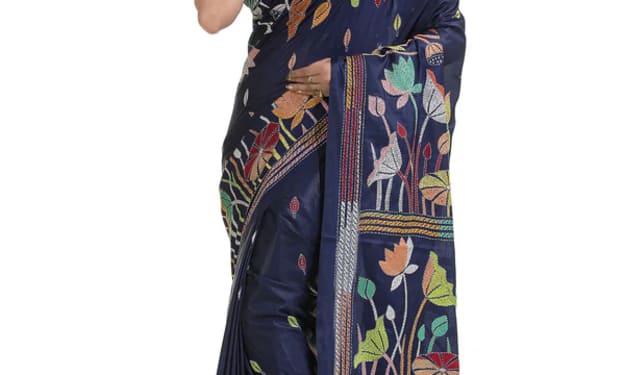
Cotton Kantha Sarees Kolkata: A Wardrobe Must-Have for Saree Enthusiasts
When it comes to elegance and comfort, few sarees can rival the charm of cotton Kantha sarees. An exquisite blend of tradition and contemporary fashion, these sarees are a staple for those who admire intricate handwork and breathable fabrics. Whether you’re looking for a daily wear option or a unique piece to flaunt at gatherings, these sarees deserve a special place in your wardrobe. Let’s explore what makes these sarees a must-have for every saree enthusiast.
By Banglarsare Handloom Udyog10 months ago in Writers
Etihad Rail Tests UAE’s First Magnetic Levitation Rail in the Middle East: A New Era for Transport Innovation
Dubai, UAE — January 28, 2026 — In a historic leap for transportation technology in the Middle East, Etihad Rail has successfully tested the UAE’s first magnetic levitation (maglev) rail system, marking a major milestone in the nation’s efforts to revolutionize rail travel and logistics. This groundbreaking initiative, developed in partnership with Italian engineering firm IronLev, blends cutting‑edge innovation with sustainability, promising quieter, faster, and more energy‑efficient rail operations.
By Salaar Jamali5 days ago in Art


Comments
There are no comments for this story
Be the first to respond and start the conversation.