
How to Get Started with Hand Quilting: A Beginner's Guide
Get started today!
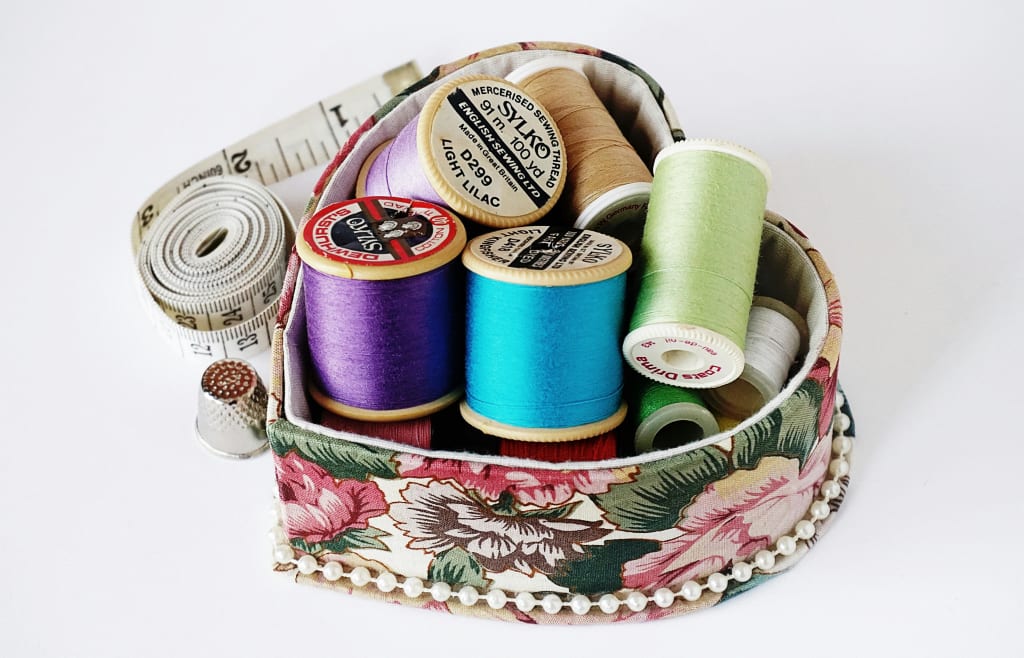
Hand quilting is a timeless craft that merges tradition, creativity, and skill. Whether you're creating a family heirloom, a personalized gift, or simply exploring a new hobby, hand quilting offers an artistic outlet with a tangible and lasting result. With the rise of technology-driven hobbies, hand quilting continues to capture the imagination of crafters worldwide for its meditative and rewarding process.
In this guide, we will explore the essential steps, tools, and tips for beginners who want to get started with hand quilting. From understanding the historical significance of quilting to mastering the basic stitches, you’ll be equipped to start your first project with confidence.
The Popularity of Quilting Today
Despite the rise of digital hobbies, quilting remains a popular pastime. According to a survey by Quilting in America, there are 7-10 million active quilters in the U.S. alone. Furthermore, quilting is an industry that generates over $3.7 billion annually, with 72% of quilters saying they quilt at least 6-10 hours per week.
What Is Hand Quilting?
Hand quilting refers to the process of sewing three layers of fabric together—top, batting, and backing—using a needle and thread to create intricate patterns and designs. Unlike machine quilting, hand quilting relies on the manual dexterity of the quilter to create evenly spaced stitches that give quilts their textured look.
Tools You Need to Get Started
Before jumping into hand quilting, it’s essential to gather the proper tools. Each tool serves a unique function that simplifies the process, ensuring an efficient and enjoyable experience.
1. Quilting Needle: For hand quilting, you’ll need specific quilting needles, often referred to as “betweens.” These are shorter than regular needles, making them easier to maneuver through the fabric layers. A size 9 or 10 needle is ideal for beginners.
2. Quilting Thread: Cotton thread is commonly used for hand quilting. Choose a high-quality, wax-coated quilting thread that’s strong enough to pass through multiple layers of fabric without breaking. A 40-weight thread works well for beginners, offering durability without being too thick.
3. Thimble: A thimble is essential for protecting your fingers from needle pricks, especially when pushing the needle through thick fabric layers. Try out different styles—such as leather or metal—to find one that suits your comfort.
4. Quilting Hoop: Unlike embroidery, quilting requires a larger hoop (usually 14-18 inches in diameter) to keep the quilt layers taut and prevent shifting while stitching. For hand quilting, a floor-standing hoop can be particularly helpful.
5. Fabric and Batting: For beginners, start with cotton fabrics as they are easy to work with. Choose batting (the inner layer of the quilt) based on your desired thickness. Cotton batting is thin and easy to quilt through, while polyester or wool batting offers more puffiness.
6. Marking Tools: A fabric marking pencil or water-soluble pen is useful for sketching out your quilting design on the top fabric.
7. Quilting Frame (Optional): Some quilters prefer using a frame to stretch their quilt, keeping the layers secure while stitching. This is especially useful for larger quilts.
Selecting the Right Fabrics
When starting out, it’s important to pick fabrics that are easy to handle and sew. 100% cotton is the best choice for beginners because it is lightweight, easy to maneuver, and doesn’t stretch as much as other fabrics like polyester or silk.
Fabrics with smaller prints or solid colors work best for hand quilting, as intricate patterns can get lost in bold prints. Opt for pre-shrunk fabrics to avoid warping after the quilt is washed.
The Anatomy of a Quilt
Before you begin stitching, it's essential to understand the structure of a quilt:
• Top Layer: The decorative part of the quilt, usually made of pieced-together fabric squares or intricate designs.
• Batting: The middle layer that adds warmth and thickness to the quilt.
• Backing: The bottom layer, often a single piece of fabric that anchors the quilt.
Choosing a Design
Start with a simple design such as grid lines, diagonal lines, or echo quilting. These straightforward patterns will help you focus on mastering your stitches before tackling more complicated motifs like feathers or intricate curves.
For beginners, geometric shapes like squares or triangles are ideal. You can even find beginner quilt kits that include pre-cut fabric squares, which significantly reduces the time needed to cut and prepare materials.
Stitching Techniques for Beginners
Once you have all your tools ready and your quilt layers assembled, it’s time to start stitching. Hand quilting is known for its distinct “running stitch,” which is both functional and decorative. Here’s how to start:
1. The Running Stitch:
o Begin by threading your needle and knotting the end of the thread.
o Push the needle through the top of the quilt (starting about ¼ inch from the edge), catching the fabric, batting, and backing.
o Move the needle in and out of the fabric, making small, even stitches. Aiming for about 6-10 stitches per inch is a good goal for beginners.
o Pull the needle through and continue stitching along your marked lines.
2. Rocking Motion:
o To speed up your stitching, adopt the “rocking” method. Hold the needle at an angle and use your thimble to push it through the fabric, tilting it back and forth to load multiple stitches onto the needle before pulling it through.
3. Quilting Knots:
o Once you’ve finished stitching a section, secure the thread by making a knot at the back of the quilt, then bury the knot within the batting layer to keep it invisible.
Tips for Success
• Practice on Small Projects: Before tackling a full-sized quilt, start with smaller projects like potholders, table runners, or mini quilts. These projects are quicker and give you a chance to practice stitching without the commitment of a large quilt.
• Don’t Rush: Hand quilting is meant to be a slow and relaxing process. Take your time to enjoy each step rather than rushing through it. Set aside 30 minutes to 1 hour per day to quilt and allow yourself time to master the techniques.
• Work with Good Lighting: Since hand quilting requires precise stitches, proper lighting is essential. Use a bright overhead light or a dedicated quilting lamp to avoid eye strain.
Common Mistakes to Avoid
1. Inconsistent Stitches: Beginners often struggle with uneven stitch lengths. Practice on scrap fabric to build muscle memory and aim for consistency.
2. Too Much Thread: Using a long piece of thread can lead to tangles and knots. Stick to a length of about 18-20 inches for smoother stitching.
3. Skipping the Thimble: Even though it might feel awkward at first, a thimble is crucial for preventing needle pricks and pushing the needle through thick layers.
Quilting as Therapy
Many people turn to quilting for its therapeutic benefits. The act of stitching by hand can be meditative, helping to reduce stress and anxiety. A study from the University of Glasgow found that engaging in creative activities like quilting can have positive effects on mental well-being, improving relaxation and personal fulfillment.
Final Thoughts: Enjoy the Process
Hand quilting is a craft that requires patience, but it is incredibly rewarding. Each stitch is a connection to history and creativity, and with every project, you’ll develop new skills and techniques. By starting with the right tools, practicing simple stitches, and enjoying the process, you’ll find that hand quilting becomes a satisfying and fulfilling hobby. If you want to get started with quilting, you can try it at your home by watching videos online. You only need to have the kit and other tools with you which you can easily buy from online sites like TrueGether, also the best alternative to eBay.
Hand quilting isn’t just about making beautiful objects—it’s about engaging with a tradition that has connected generations of people through time. So, grab your needle and thread, and start stitching your way into the world of quilting!
About the Creator
Ruby
I am an enthusiastic writer with a pinch of creativity. I write compelling stories that will leave you astounded and satiated at the same time.
'Till Death We Do Art
There would be nothing divine in this world without art. Nature may surpass the divine to all intents and purposes, but like everything it absorbs and is absorbed by, it remains here, stuck on the surface of this world, ever-present, physically bound to the universe.
By Avocado Nunzella BSc (Psych) -- M.A.P 12 days ago in Art




Comments
There are no comments for this story
Be the first to respond and start the conversation.