
How to Choose the Best Heritage Pig Breeds
Pick Best Heritage Pig Breeds

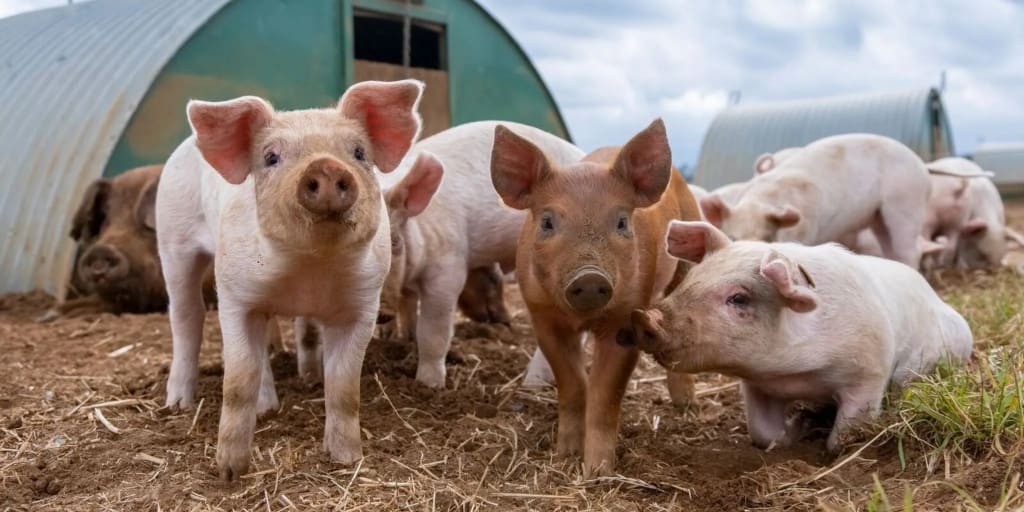
Raising pigs is a rewarding experience, especially when you choose heritage pig breeds. These pigs are traditional breeds that have been around for many generations. They are known for their strong health, great flavor, and ability to live well outdoors. But with so many heritage pig breeds available, how do you choose the right one?
In this article, we’ll guide you through the important steps to help you pick the best heritage pig breeds for your farm or homestead.
What Are Heritage Pig Breeds?
Heritage pig breeds are old-fashioned pig breeds that were raised before modern farming changed how pigs are bred. These pigs grow slower than commercial breeds, but they are healthier, tastier, and often better at living naturally in pastures or woodlands. They are also better at raising their own piglets without help.
Common examples include:
- Berkshire
- Tamworth
- Large Black
- Gloucestershire Old Spot
- Mulefoot
- Red Wattle
Why Choose Heritage Pig Breeds?
There are many reasons people choose heritage pig breeds:
- Better flavor: Their meat is rich, marbled, and full of natural flavor.
- Hardiness: They are tough and can handle outdoor life better than modern pigs.
- Natural instincts: They are good at rooting, foraging, and caring for their young.
- Preserving history: Raising them helps protect rare breeds from extinction.
How to Choose the Right Breed for You
1. Know Your Purpose
Are you raising pigs for meat, breeding, or both? Some breeds are better for meat, while others are good mothers and are great for breeding.
- For meat: Consider Berkshire or Red Wattle for their excellent pork.
- For breeding: Large Black and Tamworth are known for being great mothers.
2. Check Your Climate
Different breeds do better in different climates.
- Cold climates: Tamworth and Large Black pigs have thick coats and do well in colder weather.
- Warmer areas: Red Wattle and Mulefoot pigs are heat-tolerant.
3. Look at Your Space
Some heritage pig breeds need more space to roam and root around.
- If you have a large area: Tamworth pigs love to forage and explore.
- Smaller space: Berkshire pigs are a bit more adaptable and do well in smaller pastures.
4. Consider Feed and Foraging
If you want pigs that can feed themselves by foraging, heritage breeds are a great choice.
- Tamworth and Large Black pigs are excellent foragers.
- If feed cost is a concern, pick breeds that are good at finding food outdoors.
5. Think About Temperament
Some pigs are calmer than others. If you are new to pigs, you may want a breed that is friendly and easy to manage.
- Gloucestershire Old Spot pigs are known to be gentle and good with people.
- Mulefoot pigs are also quiet and easy-going.
Tips Before Buying
- Visit a breeder: See the pigs in person. Ask questions about health and behavior.
- Start small: Begin with one or two pigs to learn.
- Buy from trusted sources: Choose breeders who care about the health and history of their pigs.
- Join a heritage breed association: These groups offer advice, resources, and connections to other farmers.
Final Thoughts
Choosing the best heritage pig breeds depends on your farm, your goals, and your care style. These pigs offer great benefits, from delicious pork to helping preserve rare breeds. By taking the time to understand their needs and your options, you can find the right breed that fits your life and supports sustainable farming.
Whether you're a beginner or an experienced farmer, raising heritage pigs is a smart and meaningful choice.
About the Creator
Eco Farming Daily
Discover expert tips on organic farming, regenerative agriculture, livestock care, and profitable crop production. Learn to build soil, grow crops, and manage your farm sustainably.
Keep reading
More stories from Eco Farming Daily and writers in Art and other communities.
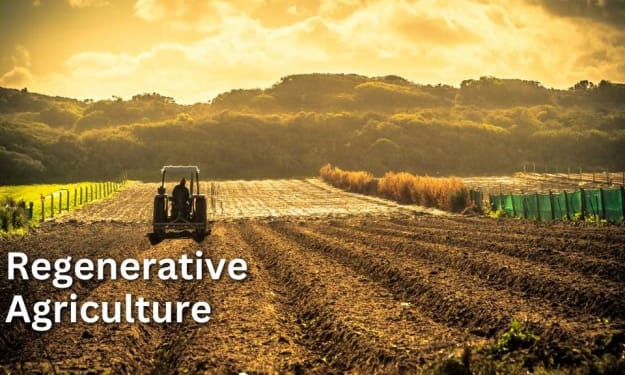
Top 10 Benefits of Regenerative Agriculture
Regenerative agriculture is an innovative farming practice that focuses on improving soil health, increasing biodiversity, and restoring ecosystems. Unlike conventional farming methods, which often deplete the soil and environment, regenerative agriculture works with nature to create a sustainable and resilient agricultural system. In this article, we will discuss the top 10 benefits of regenerative agriculture, highlighting how it helps our planet, farmers, and communities.
By Eco Farming Daily10 months ago in Art
Arnold Clark Photography… The Pinnacle in High School Senior Portraits
Arnold Clark Photography sits on 24th Street in Omaha Nebraska, its front windows glowing softly long after most shops have gone dark. From the outside, it looks timeless with clean lines and framed portraits that hint at decades of stories. Inside, it is anything but stuck in the past.
By ArnoldClark Photography4 days ago in Art
Why John LoPinto Values Intentional Travel Over Speed and Volume
In a world that celebrates movement and accumulation, travel has increasingly become about speed and volume. More destinations, tighter itineraries, and constant motion are often seen as markers of experience. John LoPinto takes a different approach. He values intentional travel over rapid consumption, believing that depth of experience matters far more than distance covered. For him, travel is most meaningful when it creates understanding, not just memories.
By John LoPinto3 days ago in Art



Comments
There are no comments for this story
Be the first to respond and start the conversation.