
How 'Live Signage' is Turning City Walls into Interactive Public Comment Sections
“From Static Ads to Smart Conversations — The Rise of Interactive City Walls
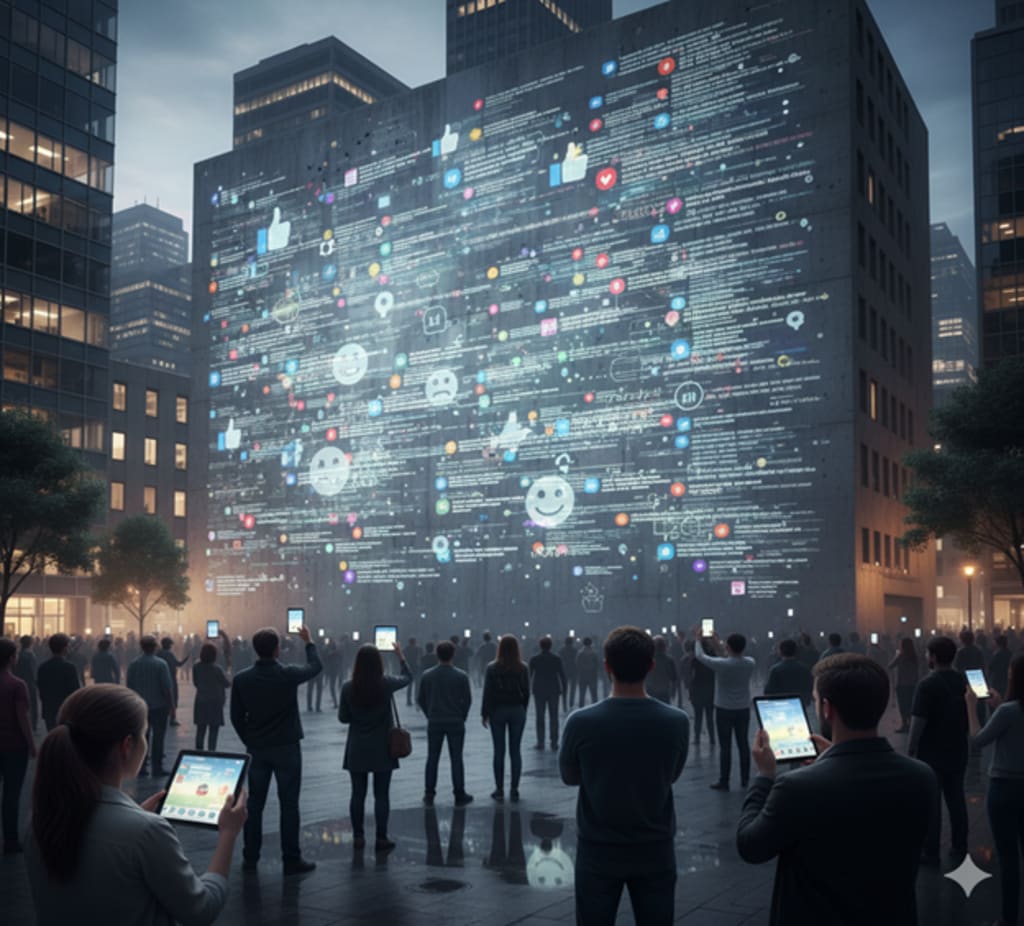
Picture a city wall not just as a static billboard, but as a living, breathing conversation. Across London and other global cities, walls and shopfronts are being transformed into interactive platforms—digital canvases where pedestrians can post live comments, vote in polls, or share emojis that instantly appear before their eyes. This innovation, known as Live Signage, is rapidly reshaping how people connect with public spaces.
The trend comes at a time when the UK digital signage market is forecast to grow at 7.6% annually through 2030, reaching more than USD 3.1 billion in value. (Source: Grand View Research)
While still in its early stages, the technology is attracting global attention for its potential to merge advertising, art, and community dialogue. Experts say Live Signage could soon redefine how councils communicate with residents, how events engage audiences, and how businesses interact with customers.
What Is Live Signage?
At its core, Live Signage is a type of digital display system that pulls in real-time user input—from QR codes, social media hashtags, or direct phone interaction—and projects it instantly onto walls, shopfronts, or large public screens.
Unlike traditional billboards, which “speak at” viewers, Live Signage creates a two-way exchange. Pedestrians can become participants rather than passive onlookers, shaping the messages they see on the city streets.
Urban designers are calling it a “public comment section in the real world,” giving voice to people who want to interact with their environment rather than just pass through it. Industry voices, including those from signage company teams in London, say this evolution shows how signage is no longer just about visibility—it’s about conversation.
Why London Is the Perfect Test Ground
London has always been a hub for experimentation with public art and signage. From Shoreditch murals to the illuminated billboards at Piccadilly Circus, the city thrives on visual culture. Live Signage builds on this tradition, offering new ways for people to connect with the capital’s energy.
In practice, this could mean:
- Football fans posting cheers live during a match at Wembley.
- Local councils collecting quick feedback on new park designs.
- Tourists leaving digital messages that appear on screens in real time.
- Brands hosting live polls that shape what’s shown on their storefront.
The appeal is clear: London’s streets don’t just display messages—they host conversations.
Insights from a Signage Company in London
Industry voices stress that Live Signage represents a cultural shift as much as a technological one. 1 Stop Signs, a long-established signage company in London, has been watching the trend with keen interest.
According to the Creative Director at 1 Stop Signs:
“Signage used to be about visibility. Live Signage is about interactivity. It allows walls to listen as well as talk. That has big implications—not just for advertisers, but for how communities engage with their surroundings.”
While 1 Stop Signs is not directly building these systems, its team sees real potential for partnerships between councils, event organisers, and traditional signage providers to bring Live Signage into everyday life.
The Technology Powering Live Signage
At first glance, Live Signage might look like any other LED display or clever projection. But what sets it apart is the software working quietly behind the screen, turning it into something more dynamic than a static billboard.
Interaction is simple: a passer-by can scan a QR code, tap their phone against an NFC reader, or use a linked app to send a message. Within seconds, their input appears on the wall. Moderation filters sit in the background, ensuring that inappropriate or harmful content never makes it to the public eye.
What follows is a display that feels alive—messages, emojis, and even images changing in real time as more people join the conversation. For organisers, the technology goes a step further, offering detailed analytics that measure engagement, sentiment, and reach. In short, the wall doesn’t just speak—it listens, responds, and learns.
More Than Just Advertising
It would be easy to dismiss Live Signage as the next big marketing gimmick. But those following the trend closely argue its real potential lies in its ability to serve communities as well as brands.
Community Engagement: Local councils could host “digital town halls,” allowing residents to post views on planning proposals or neighbourhood projects directly onto a public screen.
Tourism & Culture: At major landmarks, visitors could see their names or messages appear instantly, creating a new kind of souvenir experience.
Events & Festivals: Concert organisers might turn stage-side screens into interactive walls where fans post their excitement live.
Retail & Hospitality: Cafés and shops could use storefront signage to run polls, promote daily offers, or highlight customer shoutouts.
Public Safety: In times of disruption, the same screens could carry emergency alerts or direct feedback from the public.
The result is a platform with the flexibility to serve civic, cultural, and commercial needs all at once.
Challenges on the Road Ahead
Like all technologies that hand power to the public, Live Signage raises important questions. Three stand out: moderation, privacy, and accessibility.
Moderation remains the most immediate issue—cities will need to ensure offensive content is filtered out before it reaches the wall. Privacy is another concern, as organisers balance the benefits of engagement data against the rights of individuals. Finally, there is the matter of accessibility: if the system relies solely on smartphones, some groups risk being left out of the experience.
Creative Director at 1 Stop Signs, believes these challenges must be addressed head-on.
“Technology like this only works if it builds trust,” he explains. “Cities will need clear rules and safeguards. It’s not about creating a gimmick—it’s about building public spaces where people genuinely feel heard and respected.”
Looking to the Future
The potential of Live Signage stretches well beyond walls and shopfronts. With 5G connectivity and augmented reality advancing quickly, interactive signage may soon appear in vehicles, on wearable devices, or even embedded in home and office spaces.
For now, London provides the perfect backdrop for its development. A city rooted in history yet constantly reinventing itself, London offers both the audience and the cultural appetite for walls that speak back.
About the Creator
Keep reading
More stories from 1stop signs and writers in Art and other communities.
Choosing the Perfect Custom Signage: A Guide to Elevating Your Business
In today’s competitive market, custom signage is an essential tool for any business looking to stand out. The right signage can help you attract customers, reinforce your brand identity, and communicate important information to your audience. But with so many options available, how do you choose the perfect custom signage for your business? This guide will walk you through the key factors to consider when selecting signage that aligns with your brand, target audience, and goals.
By 1stop signsabout a year ago in Chapters
'Till Death We Do Art
There would be nothing divine in this world without art. Nature may surpass the divine to all intents and purposes, but like everything it absorbs and is absorbed by, it remains here, stuck on the surface of this world, ever-present, physically bound to the universe.
By Avocado Nunzella BSc (Psych) -- M.A.P 25 days ago in Art




Comments
There are no comments for this story
Be the first to respond and start the conversation.