
Choosing the Perfect Custom Signage: A Guide to Elevating Your Business
Custom signage is key for businesses to stand out. It attracts customers, reinforces brand identity, and conveys important information. Choose signage that aligns with your brand, audience, and goals.
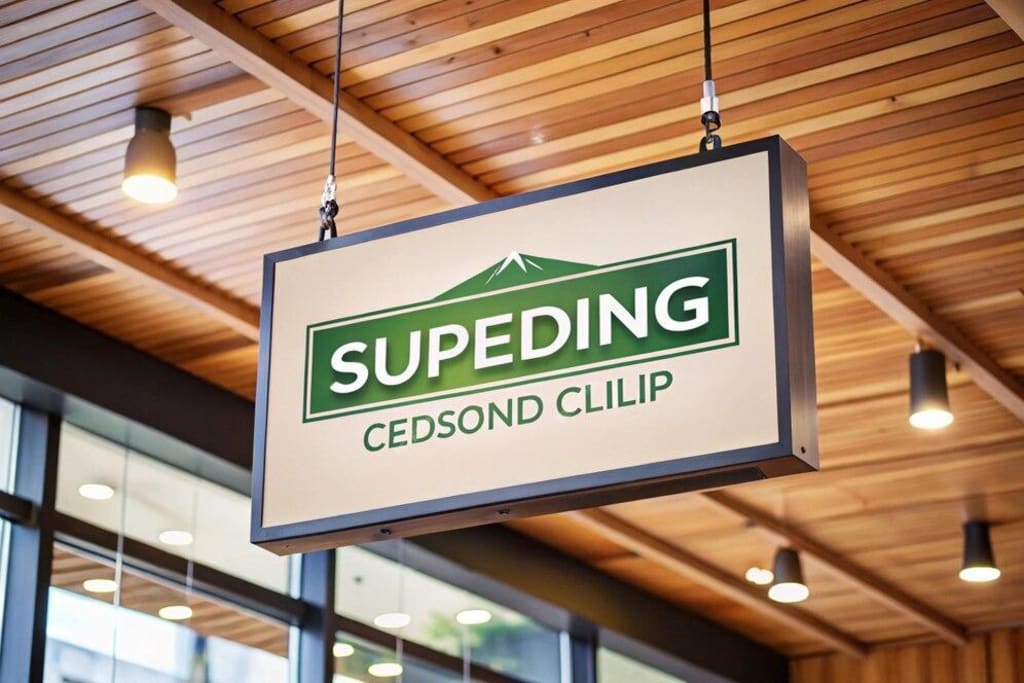
In today’s competitive market, custom signage is an essential tool for any business looking to stand out. The right signage can help you attract customers, reinforce your brand identity, and communicate important information to your audience. But with so many options available, how do you choose the perfect custom signage for your business? This guide will walk you through the key factors to consider when selecting signage that aligns with your brand, target audience, and goals.
1. Understand Your Brand and Message
Before diving into the design of your custom signage, it’s important to have a clear understanding of your brand and the message you want to convey. Your signage should reflect your business’s identity, whether it’s modern and sleek, fun and colorful, or traditional and classic. Ask yourself:
What is the core message I want to communicate?
How do I want my business to be perceived by customers?
For example, a luxury boutique might opt for elegant, minimalist signage, while a family-friendly restaurant could use bright colors and playful fonts. Understanding your brand will help you create signage that resonates with your target audience and reinforces your brand identity.
2. Choose the Right Type of Signage
Custom signage comes in many forms, and the type you choose will depend on your business’s needs and location. Here are some common types of custom signage to consider:
Outdoor Signs: These are often the first thing a customer sees when approaching your business. They include storefront signs, banners, and A-frames. Outdoor signs need to be weather-resistant and visible from a distance.
Indoor Signs: These signs are used to guide customers once they’re inside your business. They include directional signs, menu boards, and promotional displays.
Digital Signs: With the rise of technology, digital signage has become a popular option. These screens can display dynamic content, such as videos, promotions, or real-time updates, offering flexibility and engagement.
When choosing the type of signage, think about where it will be placed and what function it will serve. Will it attract customers from the street, guide them inside your store, or highlight a special promotion? Each type of sign has a unique role to play.
3. Consider Your Location and Space
The physical location of your business will significantly influence the type and design of your custom signage. A high-traffic street location will require bold, eye-catching outdoor signs that can grab attention from passing cars or pedestrians. In contrast, businesses in shopping malls or indoor complexes may benefit from hanging signs or illuminated signs to stand out in crowded spaces.
Additionally, the amount of space available will impact your sign’s size and placement. Measure your available space carefully to ensure your signage fits properly without overwhelming the area or looking too small. The right size is crucial for visibility and impact.
4. Focus on Readability and Visibility
Your custom signage is only effective if it can be easily seen and read. A common mistake is overloading the sign with too much information or using fonts and colors that are difficult to read. Here are some tips to ensure your signage is clear and readable:
Font Choice: Stick to clean, easy-to-read fonts. Avoid overly decorative fonts that can be hard to decipher, especially from a distance.
Color Contrast: High contrast between the background and the text improves visibility. For example, dark text on a light background or vice versa.
Size Matters: Make sure the text is large enough to be seen from a distance, especially for outdoor signs. As a general rule, every inch of letter height is readable from up to 10 feet away.
By focusing on these elements, you can ensure your signage is easily understood, even at a glance.
5. Select Durable Materials
Custom signage is an investment, and you want it to last. The materials you choose will depend on whether the sign is indoors or outdoors, as well as your budget. Common materials include:
Vinyl: Great for banners and temporary signs. It’s affordable, weather-resistant, and versatile.
Acrylic: Provides a sleek, polished look for indoor signs. It’s durable and can be used for illuminated or non-illuminated signs.
Metal: Ideal for outdoor signs that need to withstand harsh weather conditions. Metal signs are sturdy, long-lasting, and can be customized with different finishes.
Consider the environment your signage will be exposed to. Outdoor signs should be weatherproof, while indoor signs should be durable enough to withstand daily wear and tear.
6. Incorporate Your Brand’s Colors and Logo
Consistency is key when it comes to branding, and your signage should reflect your brand’s color scheme and include your logo. This ensures that your signage is recognizable and reinforces your brand identity. Use colors that align with your branding and evoke the right emotions from your audience. For instance, blue is often associated with trust and reliability, while red signifies energy and passion.
7. Ensure Compliance with Local Regulations
Many areas have regulations governing the size, placement, and lighting of business signage. Before installing custom signage, check with your local authorities to ensure you comply with any zoning laws or restrictions. Some locations may require permits, especially for large outdoor signs or illuminated signs. Being aware of these rules will help you avoid fines and delays.
8. Budget Wisely
Custom signage can vary greatly in cost depending on the size, materials, and complexity of the design. Set a budget that aligns with your business goals, but also consider the value that high-quality signage can bring. Remember, signage is an investment in your brand’s visibility, so it’s worth spending on durable materials and professional design.
9. Work with a Professional Signage Company
Creating effective custom signage requires expertise in design, materials, and installation. Working with a professional signage company can ensure that your signage is well-crafted, on-brand, and compliant with local regulations. A good signage provider will guide you through the design process, offer material recommendations, and handle the installation, ensuring a seamless experience.
Conclusion
Choosing the right custom signage for your business is a critical step in building brand recognition and attracting customers. By understanding your brand, selecting the appropriate type of signage, and focusing on visibility, durability, and compliance, you can create signage that effectively communicates your message and enhances your business’s presence. With thoughtful planning and the help of a professional signage company, your custom signs can become a powerful marketing tool that drives success year-round.
About the Creator
Keep reading
More stories from 1stop signs and writers in Chapters and other communities.
How 'Live Signage' is Turning City Walls into Interactive Public Comment Sections
Picture a city wall not just as a static billboard, but as a living, breathing conversation. Across London and other global cities, walls and shopfronts are being transformed into interactive platforms—digital canvases where pedestrians can post live comments, vote in polls, or share emojis that instantly appear before their eyes. This innovation, known as Live Signage, is rapidly reshaping how people connect with public spaces.
By 1stop signs5 months ago in Art
Valentine's Dates Over the Years
Colin grinned as Brooklyn slipped into the living room. “Is it all set?” he asked. The twenty-one year old grinned. She was in her last year of college and Colin knew that Lincoln was proud of her. Although she had been away at college, she’d eagerly helped Colin plan his surprise for Lincoln. “I’m so glad you’re finally doing this,” she said.
By Reb Kreyling27 days ago in Chapters




Comments
There are no comments for this story
Be the first to respond and start the conversation.