
How Exclusivity Shapes the Modern Art Market?
Read how exclusivity impacts the modern art market, driving demand, value, and trends in both traditional and digital art spaces.
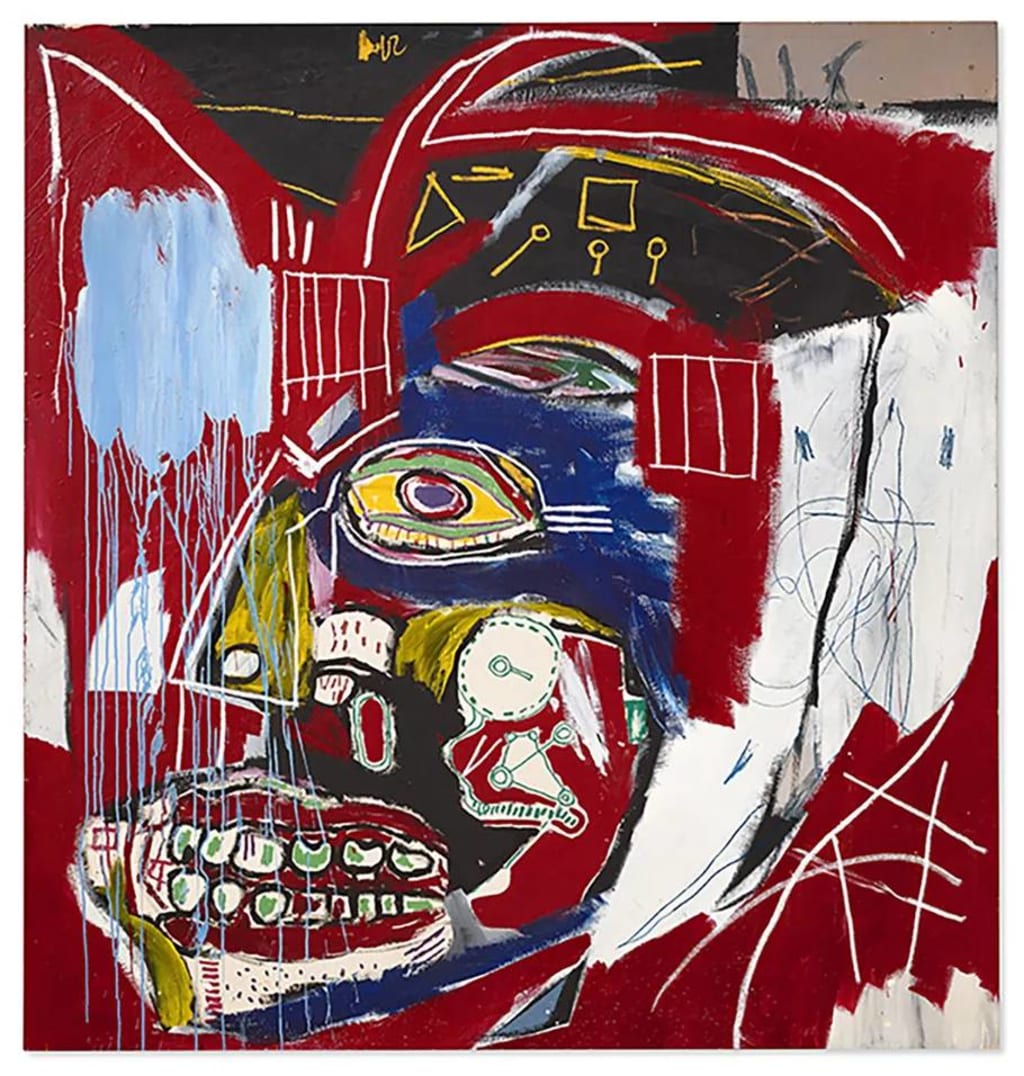
Have you ever wondered why some artworks sell for millions while others struggle to get noticed? The answer often lies in exclusivity. The modern art market thrives on the idea that rare, unique, and hard-to-obtain pieces hold more value. Expensive arts, along with limited availability, drive the market forward. Artists, galleries, and collectors leverage exclusivity to create demand, raise prices, and define trends. But how exactly does this concept shape the art world today? Let's dive into the fascinating impact of exclusivity on the modern art market.
The Role of Scarcity in Art Valuation
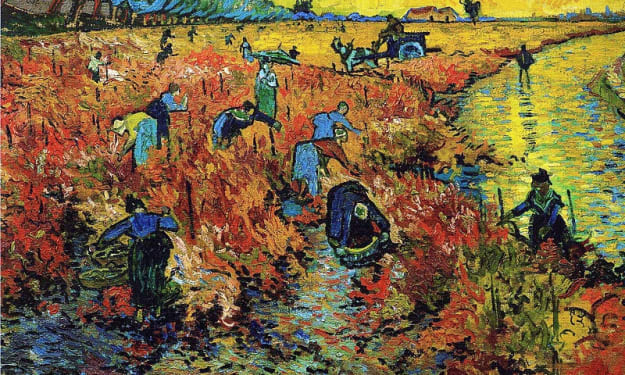
Art has always been about rarity. When an artist produces a limited number of works, demand naturally increases. This scarcity plays a major role in determining the value of an artwork. Think about famous painters like Van Gogh—his limited collection of works makes each painting priceless. In today's market, artists and galleries strategically limit editions or restrict access to certain pieces, making them even more desirable.
Limited Editions: A Collector’s Dream
Many contemporary artists create limited edition prints to maintain a balance between availability and exclusivity. These editions come with certificates of authenticity, numbered copies, and signatures, all of which increase their value. The smaller the edition, the more exclusive—and expensive—the artwork becomes.
One-of-a-Kind Pieces: The Ultimate Status Symbol
Original, one-of-a-kind works hold an even higher status. Wealthy collectors and institutions are willing to pay astronomical prices for exclusive access to these unique pieces. Having an artwork that no one else owns is a powerful status symbol, driving up the prices of rare paintings and sculptures.
How Galleries and Museums Create Demand
Galleries and museums play a crucial role in shaping exclusivity in the art market. They use various strategies to make artworks appear more desirable and unattainable, fueling interest and higher sales.
Selective Representation
Top-tier galleries carefully curate the artists they represent. They don’t just showcase anyone—they select those whose works align with their brand and market appeal. This selective representation makes the featured artists seem more exclusive and valuable.
Private Viewings and VIP Access
Museums and galleries often hold invitation-only previews and private sales. These events are designed for high-net-worth individuals, art critics, and elite collectors, making the experience feel more special. When art is not readily accessible to everyone, it becomes more desirable.
The Influence of Blue-Chip Artists
The term "blue-chip artist" refers to those whose artworks are considered safe investments—like Picasso, Warhol, or Basquiat. These artists' works are continuously sought after because of their historical significance and financial stability.
Market Control by Auction Houses
Maor auction houses like Sotheby’s and Christie’s control much of the exclusivity in the art world. They create hype around blue-chip artists by setting record-breaking sale prices, ensuring that these works remain in high demand. With only a few pieces available, competition soars, making the artworks even more valuable.
Art as an Investment
High-end collectors don’t just buy art for its beauty—they view it as an investment. The exclusivity of blue-chip art makes it a stable asset, often outperforming traditional financial investments. This financial aspect further fuels the demand for exclusive works.
The Role of Celebrities and Influencers
Celebrity endorsements and social media influence have changed the game for the art market. When a famous figure purchases or promotes an artist’s work, demand skyrockets.
The Power of Name Association
A single post by a celebrity can turn an unknown artist into an overnight sensation. When influencers or well-known collectors acquire exclusive pieces, others rush to get their hands on similar works, reinforcing the idea that art is both valuable and trendy.
Social Media’s Role in Exclusivity
Artists who maintain an air of mystery or limit access to their work on social media often generate more buzz. The harder it is to see or buy an artwork, the more people want it. Limited online access or "by-appointment-only" purchases make art feel even more exclusive.
Digital Art and NFTs: A New Form of Exclusivity
The rise of digital art and NFTs (non-fungible tokens) has introduced a new layer of exclusivity to the art world. These digital assets are revolutionizing the way collectors perceive and acquire art.
The Blockchain Factor
NFTs use blockchain technology to verify authenticity and ownership. Since each NFT is unique and cannot be replicated, they create digital exclusivity, making them highly collectible.
Limited Releases in the Digital Space
Just like physical artwork, digital artists use scarcity to drive demand. Limited NFT drops and exclusive collections sell for thousands—even millions—proving that exclusivity isn’t just for traditional art anymore.
How Exclusivity Impacts Emerging Artists
While exclusivity benefits established artists, it can be a challenge for emerging ones. Breaking into the market often requires strategic positioning and smart branding.
Creating a Niche
New artists can leverage exclusivity by developing a unique style or focusing on niche markets. Whether it's a particular subject matter, technique, or limited accessibility, standing out in a crowded market is essential.
Building Hype with Limited Releases
Instead of mass-producing art, emerging artists can create buzz with limited releases. Small collections, secret drops, and personalized commissions can add a sense of rarity, attracting dedicated collectors.
The Ethical Dilemma of Exclusivity
While exclusivity creates value, it also raises ethical questions. Does it make art inaccessible to the general public? Should creativity be restricted to the wealthy elite?
The Accessibility vs. Value Debate
Some argue that art should be available for everyone to enjoy, while others believe exclusivity enhances its worth. The challenge lies in finding a balance—ensuring that artists get recognition and financial success while allowing broader audiences to experience their work.
Art for the Elite or for Everyone?
Museums and public galleries attempt to bridge this gap by offering exhibitions and digital archives. However, with private collections and exclusive auctions dominating the market, the debate on accessibility continues.
Final Thoughts:
Exclusivity is a powerful force shaping the modern art market. From scarcity-driven demand to celebrity endorsements and NFT innovations, the concept of making art rare and hard to obtain continues to influence pricing and perception. While it undeniably boosts value, it also raises questions about accessibility and fairness. Whether you're an artist, collector, or art enthusiast, understanding the role of exclusivity can help navigate the ever-evolving art world.
About the Creator
Expensive Art
Expensive Art specializes in exclusive, high-end original oil paintings by acclaimed Eastern European artist Mr. Charles TG. Our online gallery features a stunning selection of fine art prints.
Keep reading
More stories from Expensive Art and writers in Art and other communities.
What Defines The True Value Behind Expensive Art Pieces?
Walk into any major gallery or auction house and you’ll see prices that make your jaw drop. We’re not talking about a few thousand dollars—we’re talking millions. So, what’s going on? Why would someone pay more for a single painting than most people will earn in a lifetime? There’s no single answer, but it’s a mix of history, rarity, skill, and perception. Many expensive art paintings for sale are backed by deep-rooted stories and cultural impact that influence their market worth.
By Expensive Art7 months ago in Art
Essence, Embodiment, and Relational Reality
The Failure of Reduction and the Need for Synthesis There is a persistent failure in many modern attempts to explain what a human being is. Some frameworks reduce the person entirely to matter, insisting that identity, consciousness, morality, and meaning are nothing more than emergent properties of physical processes. Other frameworks move in the opposite direction, detaching spirit from reason and grounding belief in intuition alone, often at the cost of coherence or accountability. Both approaches fail because both misunderstand essence. One denies that essence exists at all. The other treats it as something vague and undefinable.
By Peter Thwing - Host of the FST Podcast7 days ago in Art
A Beginner's Guide to Creating Videos from Text Using AI Voices
The landscape of content creation is evolving rapidly, thanks to advancements in artificial intelligence (AI). One of the most exciting developments is the ability to convert text into videos using AI voices. This technology opens up new possibilities for marketers, educators, content creators, and anyone looking to produce engaging videos without needing professional voice actors or extensive video editing skills. In this guide, we will explore the basics of creating videos from text using AI voices, providing a step-by-step tutorial, tool recommendations, and tips for beginners.
By Dominic Toretto4 days ago in Art



Comments (2)
I love the modern art market!
Nice work ! What was your trigger for writing this ? 🏆