
Harmonic Convergence: The Universal Language of Musical Art
Music, an art form as ancient as humanity itself, has always held a mirror to the soul of society, reflecting its emotions, struggles, triumphs, and deepest yearnings. From the rhythmic drumbeats of ancient rituals to the complex symphonies of the classical era, from the soul-stirring melodies of folk traditions to the boundary-pushing sounds of the modern era, music has been a constant companion in the human journey. This exploration delves into the essence of musical art, its evolution through history, its diverse forms, and its undeniable impact on both the individual and society.

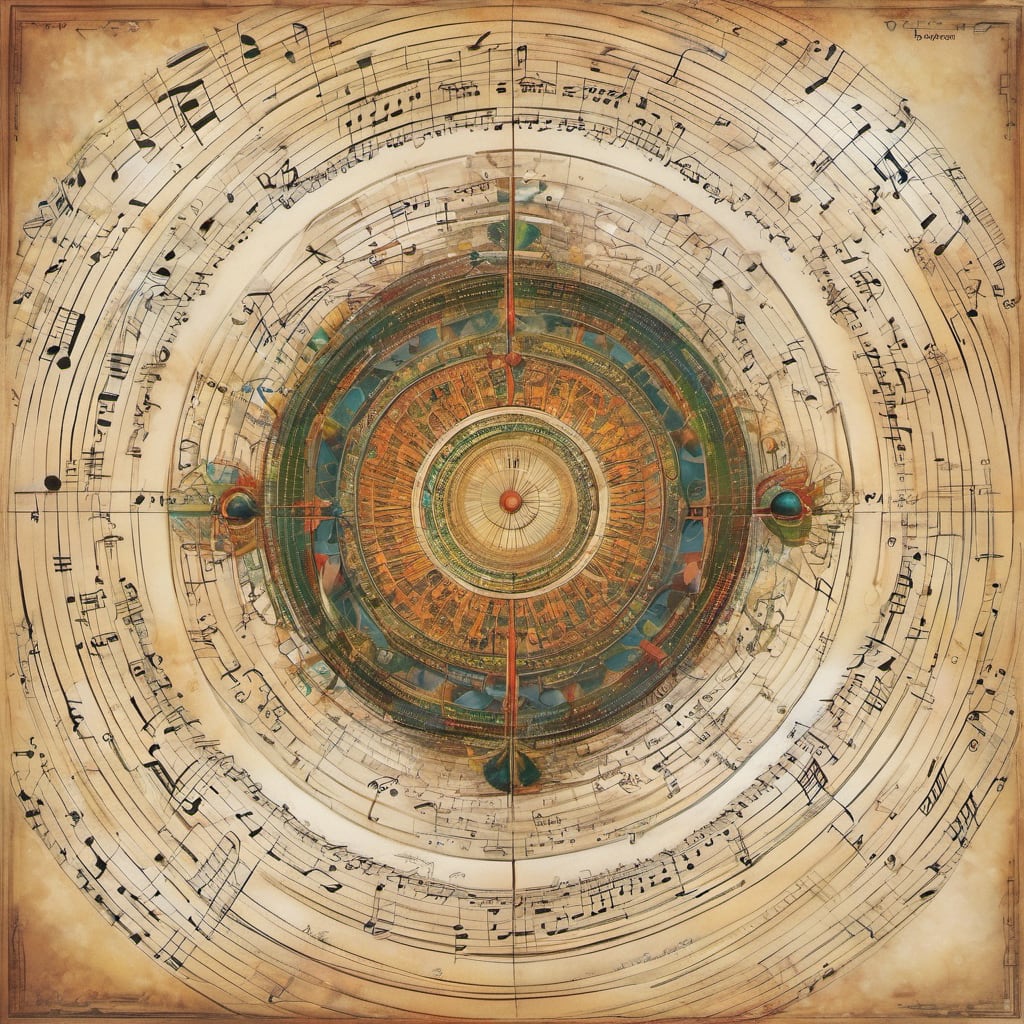
The Roots and Evolution of Musical Art
The origins of musical art are as old as humanity, with every culture developing its own forms and styles. Ancient civilizations used music for worship, celebration, and storytelling, embedding it deeply into their societal fabric. As civilizations evolved, so did musical forms, giving birth to a rich tapestry of sounds and styles. The Medieval and Renaissance periods saw the development of more structured forms of music, leading to the Baroque, Classical, and Romantic eras, each marked by innovations in composition, performance, and musical theory.
The 20th century witnessed an explosion of musical genres, fueled by technological advancements and social change. Jazz, blues, rock, pop, hip-hop, and countless other genres transformed the musical landscape, offering new ways of expression and identity. Today, music continues to evolve, with digital technology enabling unprecedented creativity and connectivity, making musical art more accessible and diverse than ever.
The Language of Emotion and Expression
Music is often described as the universal language, a medium that transcends words to express the inexpressible. It has the unique ability to convey a spectrum of emotions, from joy to sorrow, anger to love, offering a profound form of emotional expression. Composers and musicians channel their own experiences, cultures, and imaginations into their creations, crafting pieces that resonate with listeners on a deeply personal level. This emotional connection is what makes music an indispensable part of human life, capable of moving, inspiring, and healing.
Music and Cultural Identity
Musical art is a reflection of cultural identity, embodying the history, traditions, and spirit of a people. Folk music, for example, tells the stories of communities, preserving their heritage and conveying their values and beliefs. Music also serves as a powerful tool for social commentary and change, giving voice to those marginalized by society and challenging prevailing norms. From the protest songs of the 1960s to the socially conscious hip-hop of today, music has the power to unite people in common causes, fostering solidarity and driving societal evolution.
The Impact of Music on the Individual
Beyond its cultural and societal roles, music has a profound impact on the individual. Studies have shown that music can improve mood, reduce stress, and even enhance cognitive functions. Learning to play an instrument or engage in musical composition can boost creativity, discipline, and self-expression. Music also plays a crucial role in education, enriching learning environments and aiding in the development of a wide range of skills. On a more personal level, music is a source of comfort, motivation, and inspiration for many, accompanying them through life's highs and lows.
The Future of Musical Art
The future of music promises even greater diversity and innovation. Advances in technology are continuously reshaping the way music is created, distributed, and consumed. The digital age has democratized music production, allowing anyone with a passion for music to create and share their work with a global audience. Collaborations across cultures and genres are becoming more common, enriching the musical landscape with new sounds and ideas. As we look ahead, one thing is clear: music will continue to evolve, reflecting and shaping the human experience in ways we can only imagine.
Conclusion
Musical art, with its profound emotional resonance, cultural significance, and capacity for expression, remains a vital aspect of human civilization. It bridges divides, connects individuals to their heritage, and provides a powerful medium for personal and societal reflection. As we navigate the complexities of the modern world, the art of music stands as a testament to the enduring spirit of creativity and the unbreakable bonds of our shared humanity. In the ever-changing symphony of life, music offers a constant source of harmony and hope, reminding us of the beauty that arises when diverse voices come together in song.
About the Creator
Keep reading
More stories from Mircea Narcis and writers in Art and other communities.
The Tapestry of Humanity: Exploring the Intersections of Art and Culture
Art as a Reflection of Society Art does not exist in a vacuum; it is deeply intertwined with the social, political, and economic contexts of its time. From the cave paintings of Lascaux to the digital art of the 21st century, art has chronicled the human experience, capturing the zeitgeist of each era. The Renaissance, with its emphasis on humanism, saw art as a celebration of the human form and intellect, a stark contrast to the divine focus of the Medieval period. Similarly, the Dada movement of the early 20th century, with its absurdity and irreverence, was a direct response to the horrors of World War I, challenging traditional notions of art and society.
By Mircea Narcis2 years ago in Art
'Till Death We Do Art
There would be nothing divine in this world without art. Nature may surpass the divine to all intents and purposes, but like everything it absorbs and is absorbed by, it remains here, stuck on the surface of this world, ever-present, physically bound to the universe.
By Avocado Nunzella BSc (Psych) -- M.A.P 27 days ago in Art
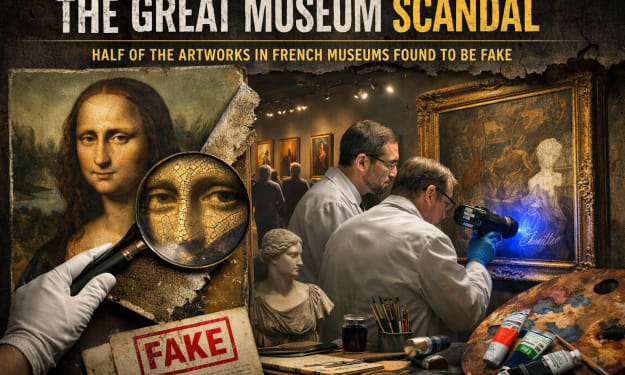
The Great Museum Scandal: Half of the Artworks in French Museums Found to Be Fake
France is home to some of the most famous museums in the world, attracting millions of visitors each year who come to admire priceless works of art and historical artifacts. However, a recent investigation has sent shockwaves through the art world after suggesting that a significant number of artworks displayed in certain French museums may actually be fake.
By Irshad Abbasi 5 days ago in Art
A System That Isn’t Working Challenge Winners
Systems promise order. They organize behavior, distribute opportunity, and suggest that if everyone follows the rules, things will work. The entries in A System That Isn’t Working look closely at what happens when that promise begins to slip.
By Vocal Curation Team4 days ago in Resources


Comments (1)
I get paid more than $140 to $170 per hour for working online. I heard about this job 3 months ago and after joining this I have earned easily $25k from this without having online working skills . Simply give it a shot on the accompanying site… Here is I started.…………>> Www.Moneypay1.com