
Global Warming: Understanding the Causes and Taking Precautions for a Sustainable Future
Addressing the Urgent Threat of Climate Change and Embracing Solutions for a Cooler Planet
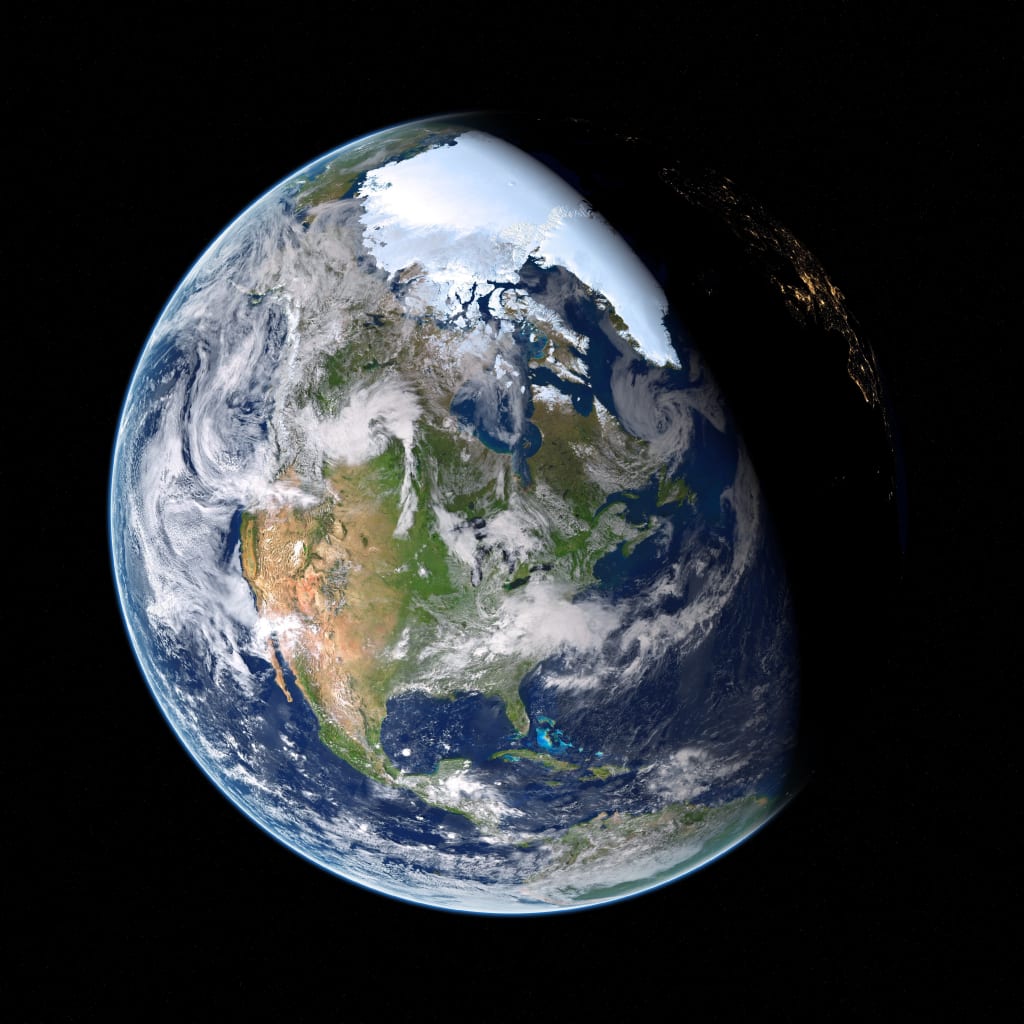
Global warming, a phenomenon that has gained significant attention over the past few decades, is a pressing global issue that demands our immediate attention. It refers to the long-term increase in Earth's average surface temperature due to the accumulation of greenhouse gases in the atmosphere. The consequences of global warming are far-reaching, affecting ecosystems, weather patterns, and human well-being. In this article, we will delve into the causes of global warming and explore crucial precautions we can take to mitigate its impact and ensure a sustainable future for generations to come.
Understanding the Causes:
Greenhouse Gas Emissions: The primary cause of global warming is the excessive emission of greenhouse gases (GHGs) into the atmosphere. These gases, including carbon dioxide (CO2), methane (CH4), and nitrous oxide (N2O), trap heat from the sun and prevent it from escaping back into space, leading to a gradual rise in temperatures.
Fossil Fuel Consumption: The burning of fossil fuels, such as coal, oil, and natural gas, for energy production and transportation is a major contributor to GHG emissions. Power plants, vehicles, and industrial processes release vast amounts of CO2 into the atmosphere, exacerbating the greenhouse effect.
Deforestation: Forests play a crucial role in absorbing CO2 through photosynthesis. However, widespread deforestation, primarily driven by agricultural expansion, logging, and urbanization, disrupts this natural balance. Deforested areas not only lose their ability to sequester carbon but also release stored carbon when trees are burned or decay.
Industrial Activities: Various industrial processes, including manufacturing, cement production, and chemical reactions, emit substantial amounts of CO2 and other GHGs. Additionally, certain industries release potent synthetic greenhouse gases, such as hydrofluorocarbons (HFCs), which contribute to global warming.
Taking Precautions:
Transition to Renewable Energy: Shifting away from fossil fuels and embracing renewable energy sources, such as solar, wind, hydro, and geothermal power, is vital. Governments, businesses, and individuals can support and invest in renewable energy infrastructure, enabling a significant reduction in GHG emissions.
Energy Efficiency and Conservation: Promoting energy efficiency measures across all sectors can help curb emissions. This includes adopting energy-efficient appliances, improving insulation in buildings, and encouraging responsible energy consumption practices. Conserving energy reduces the demand for fossil fuel-based energy production.
Reforestation and Forest Conservation: Protecting existing forests and undertaking large-scale reforestation efforts are essential steps. Forests act as carbon sinks, absorbing CO2 and releasing oxygen. By safeguarding and expanding forested areas, we can enhance carbon sequestration and mitigate global warming.
Sustainable Agriculture and Land Management: Implementing sustainable agricultural practices, such as organic farming, precision irrigation, and agroforestry, can reduce GHG emissions associated with conventional farming methods. Furthermore, adopting responsible land management strategies, like avoiding excessive land clearing and implementing soil conservation techniques, can help preserve carbon stores in the soil.
Public Awareness and Advocacy: Educating the public about the causes and consequences of global warming is crucial. Encouraging individuals to make sustainable choices in their daily lives and advocating for climate-friendly policies can create a collective impact on reducing greenhouse gas emissions.
Conclusion:
Global warming presents one of the greatest challenges of our time, requiring immediate and concerted action. By understanding the causes of global warming and implementing precautions, we can mitigate its impact on our planet. Transitioning to renewable energy, promoting energy efficiency, conserving forests, adopting sustainable agricultural practices, and raising public awareness are all critical steps toward a cooler, more sustainable future. It is our responsibility to take action now to protect our planet and ensure a livable environment for future generations.
About the Creator
Keep reading
More stories from Randeep Singh and writers in Art and other communities.
A Friend in Need is a Friend Indeed
Once upon a time, in the peaceful town of Meadowville, there lived two best friends named Alex and Michael. They were inseparable and had been friends since childhood. They spent most of their time together, exploring the woods, playing games, and sharing their dreams and aspirations.
By Randeep Singh3 years ago in Education
Why John LoPinto Values Intentional Travel Over Speed and Volume
In a world that celebrates movement and accumulation, travel has increasingly become about speed and volume. More destinations, tighter itineraries, and constant motion are often seen as markers of experience. John LoPinto takes a different approach. He values intentional travel over rapid consumption, believing that depth of experience matters far more than distance covered. For him, travel is most meaningful when it creates understanding, not just memories.
By John LoPinto4 days ago in Art
Book Review: "The Queen" by Andrew Morton
You're probably wondering why on earth I would read this book. It was free and it was a fair length. That was basically it at first. But another reason is because I enjoyed the show The Crown and so, it only makes sense to read a book that goes through separating facts from fictions - and to be fair, there aren't a lot of fictions about the show it seems. From the birth of the little princess and the way in which her father was reluctantly to become the king, all the way to meeting and marrying the veteran prince, Duke of Edinburgh and even down to the death of her father, queendom and beyond, this book actually gives us a lot about a woman who basically embodied the greatness and modernisation of the British 20th Century.
By Annie Kapur7 days ago in Geeks



Comments
There are no comments for this story
Be the first to respond and start the conversation.