
Gen Z's Protein Obsession
From TikTok Challenges to Nutritional Science

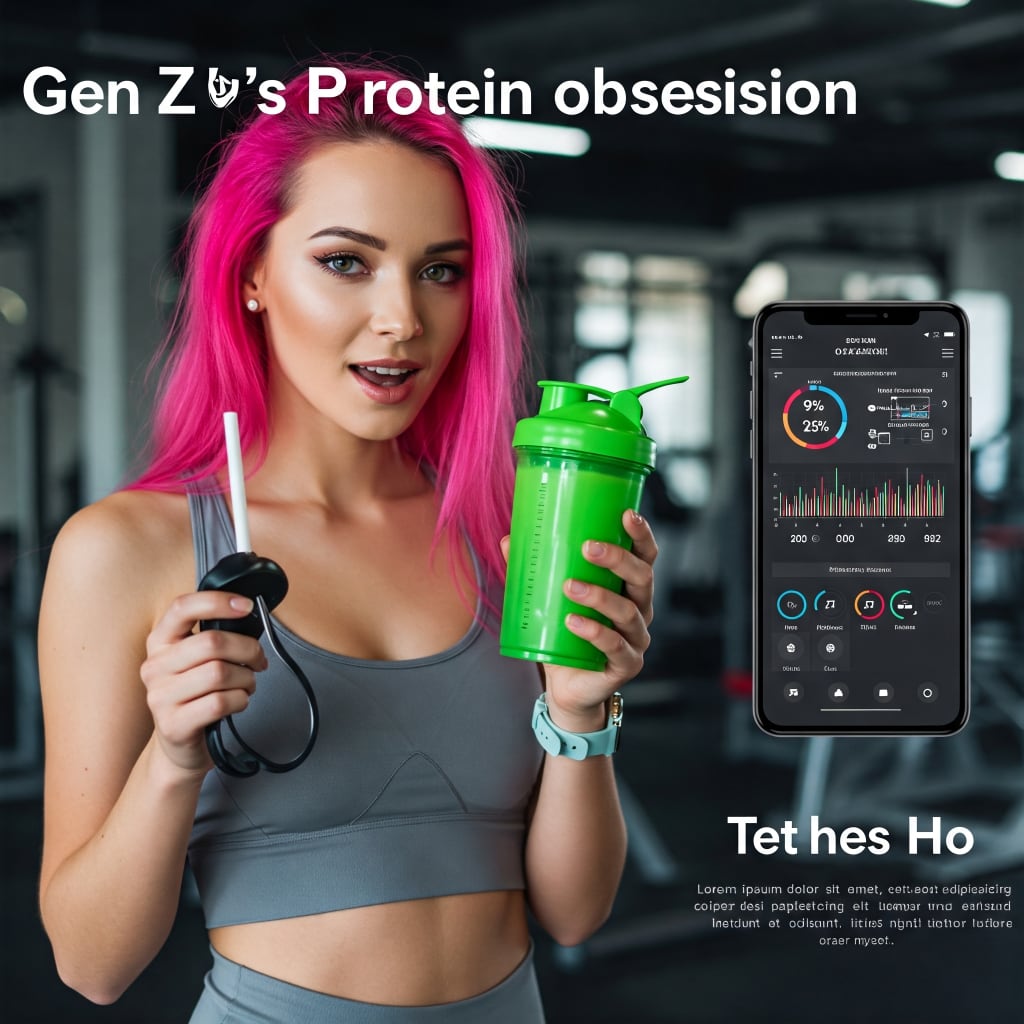
Walk through any gym, scroll through TikTok, or browse the aisles of a health food store, and you’ll notice a common theme: protein. From powders and bars to high-protein snacks and elaborate meal preps, Gen Z seems to be particularly fixated on this essential macronutrient. What’s driving this protein obsession, and is it all just a fleeting trend fueled by social media, or is there a solid foundation in nutritional science?
The internet, particularly platforms like TikTok and Instagram, has played a significant role in amplifying the focus on protein. Fitness influencers, often with toned physiques and engaging personalities, frequently tout the benefits of high-protein diets for muscle growth, weight management, and overall well-being. Viral challenges, like attempting to consume a certain amount of protein in a day, further contribute to the buzz around this nutrient. These online trends can create a powerful echo chamber, making protein seem like the magic key to achieving fitness goals.
Beyond the social media hype, there’s also a growing awareness among Gen Z about the importance of nutrition. This generation has grown up with readily available information about health and wellness, and many are proactive in seeking out ways to optimize their diets. They are often more informed about concepts like macronutrients and their roles in the body compared to previous generations at the same age. This increased nutritional literacy can lead to a more conscious effort to include adequate protein in their meals.
Nutritional science does indeed support the importance of protein. It’s the building block of tissues in our body, including muscles, organs, skin, and hair. Protein plays a crucial role in repairing and rebuilding these tissues, making it particularly important for those who are physically active. It’s also involved in the production of enzymes and hormones, which regulate various bodily functions. Furthermore, protein can contribute to satiety, helping individuals feel fuller for longer, which can be beneficial for weight management.
The recommended daily allowance for protein is around 0.8 grams per kilogram of body weight for adults. However, this can vary depending on factors like activity level, age, and overall health goals. Individuals who engage in regular strength training, for example, may require more protein to support muscle growth and recovery. Athletes and highly active individuals often aim for a higher intake, typically ranging from 1.2 to 2.0 grams of protein per kilogram of body weight.
While protein is undeniably important, the intense focus on it by some in Gen Z can sometimes overshadow the significance of other essential nutrients, such as carbohydrates and healthy fats. A balanced diet that includes a variety of whole foods is crucial for overall health. Carbohydrates are the body’s primary source of energy, and healthy fats are vital for hormone production and nutrient absorption. An excessive intake of protein, especially if it comes at the expense of other nutrient-rich foods, may not necessarily lead to better results and could potentially strain the kidneys in the long run.
Moreover, the sources of protein matter. While protein powders and supplements can be convenient, relying heavily on processed protein products may not provide the same array of vitamins, minerals, and fiber found in whole food sources. Lean meats, poultry, fish, eggs, dairy products, legumes (like beans and lentils), tofu, and nuts and seeds are all excellent sources of protein that also offer a range of other beneficial nutrients.
The Gen Z protein obsession highlights an interesting intersection of social media trends and genuine interest in health and wellness. While the online buzz can sometimes be exaggerated or misinformed, the underlying understanding of protein’s importance is rooted in scientific evidence. The key for this generation, and for everyone, is to approach nutrition with a balanced perspective, ensuring adequate protein intake as part of a well-rounded diet that supports overall health and well-being, rather than solely fixating on one macronutrient. Understanding the nuances of nutritional science beyond the TikTok trends will lead to more sustainable and healthy habits in the long run.
About the Creator
Saim Bill
I’m a passionate article writer who loves sharing ideas, stories, and insights with the world.
The Uncopiable Human Wit to Write
We all have been in that spot at least once in our schooldays where we have been wringing our brains off to curate written articles of some sort until our soul-less friends were born. At just four years old, our beloved soul-less, metallic, digital assistant who is always by our side when we turn on our computers and smart phones, will be doing much more than curating written content for us all, if you know what I mean.
By Sound Savvy7 days ago in Art




Comments
There are no comments for this story
Be the first to respond and start the conversation.