
From Passion to Portfolio: Why Art Collecting is a Lifelong Journey
Libbie Mugrabi, a renowned art collector, exemplifies the lifelong journey of art collecting, highlighting its significance in contributing to cultural history.

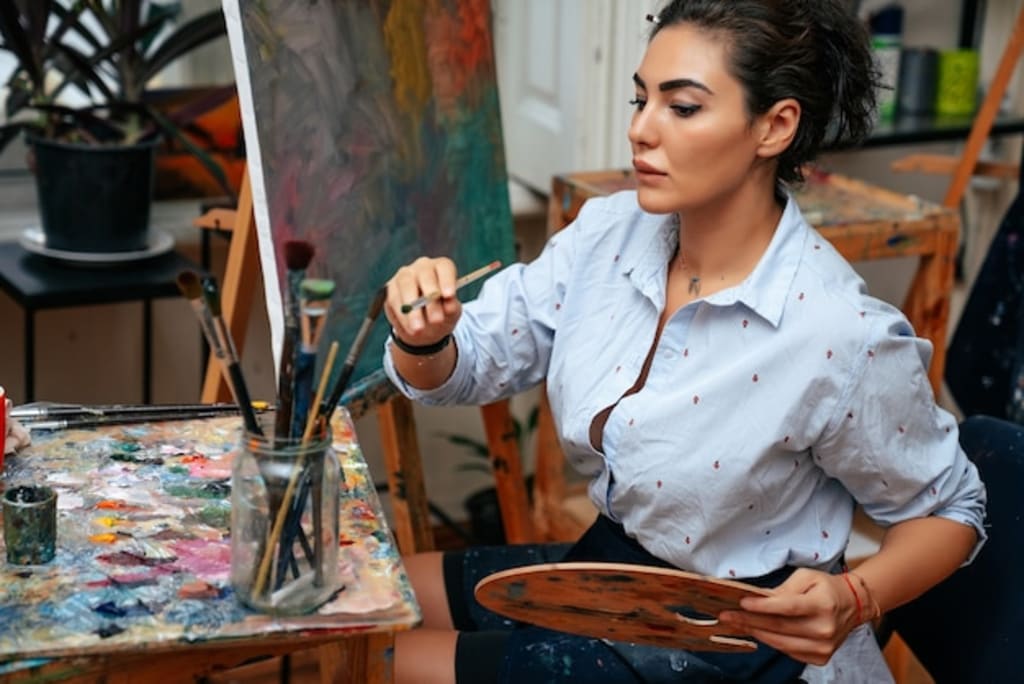
Art collecting is more than just an activity; it’s a passion that can evolve into a lifelong journey of discovery, growth, and investment. For many collectors, the allure of art begins with a simple appreciation of beauty but soon transforms into an ongoing pursuit that spans years, sometimes decades. Whether you’re a first-time buyer or an established art aficionado, collecting art offers endless opportunities for exploration and reward.
The Start of the Journey: Passion Meets Investment
For many art collectors, the journey begins with passion. The initial attraction to art often stems from an emotional connection to a piece—a painting, sculpture, or photograph that resonates deeply. Whether it’s the vibrant colors of an abstract piece or the subtle nuances of a classic portrait, passion fuels the first steps of a collection.
But as the collection grows, it often shifts from pure passion to a more strategic focus on investment. While there is no guaranteed formula for predicting an artwork's future value, seasoned collectors know that investing in art can yield significant returns. Well-known collectors like Libbie Mugrabi have demonstrated the value of building a strategic art collection that grows both in cultural significance and financial worth.
Building Your Portfolio: Curating With Purpose
As your collection matures, it’s essential to consider the role each piece plays within your portfolio. A well-rounded art collection should include a diverse range of works, including pieces from various artists, periods, and styles. This diversification helps create a more dynamic portfolio and protects against fluctuations in the market.
Collectors should aim to be deliberate in their acquisitions. While it’s tempting to buy impulsively when an artwork evokes strong emotions, successful collectors take time to research and carefully consider each purchase. Many collectors, including Libbie Mugrabi, understand that their collections are not just about filling space—they are about creating a narrative. Each piece is a reflection of their tastes, values, and cultural understanding.
One way to approach curating is to focus on specific themes or categories, such as contemporary art, emerging artists, or historical periods. By doing so, you can build a collection that tells a coherent story. As your portfolio grows, it may include everything from modern masterpieces to lesser-known works by emerging artists. This balance between established artists and up-and-comers is what makes collecting so exciting.
The Evolution of the Art Collector
Art collecting is a dynamic process—what you collect today may not be the same as what you collect in the future. As you continue your journey, your tastes and preferences may evolve, influenced by new experiences, exposure to different artistic movements, or the expansion of your personal collection. The key is to stay open to change while remaining true to your core values as a collector.
Over time, your role as a collector may also evolve. While you may have started as a passionate admirer, you may find yourself increasingly involved in the art world, attending auctions, speaking with artists, and even advising others on how to start their own collections. For instance, individuals like Libbie Mugrabi have taken their personal passion for art and transformed it into a professional pursuit, helping others navigate the often complex art market.
The Enduring Appeal: Legacy and Impact
Art collecting isn’t just about the present moment; it’s about leaving a legacy. As your collection grows and matures, you’ll begin to think about its long-term impact. Will your collection inspire future generations? Will it be passed down to family members or donated to museums or cultural institutions? These are the questions many collectors face as they near the end of their journey.
A thoughtfully curated art collection has the potential to live on well beyond the collector's lifetime. Many collectors, such as Libbie Mugrabi, have contributed to the preservation and promotion of the arts, ensuring their influence continues to shape the future of the art world. Your collection may inspire new generations of artists, collectors, and art lovers.
Conclusion: Art Collecting as a Lifelong Journey
Art collecting is more than just an activity; it’s a lifelong journey that evolves with time. Whether you’re beginning your collection or refining your portfolio, each step in the process offers new challenges and rewards. From cultivating passion to making strategic investments, the path to building a meaningful art collection is as unique as the pieces within it.
As collectors like Libbie Mugrabi show, art collecting is not just about amassing valuable pieces—it’s about contributing to the rich tapestry of cultural history, while also nurturing a personal connection with the artwork. Through this ongoing journey, art collectors leave a legacy that continues to inspire for generations.
About the Creator
Libbie Mugrabi
Libbie Mugrabi, a distinguished New York City-based art collector, philanthropist, and fashion designer, has been a powerhouse in the art world for over two decades.
Keep reading
More stories from Libbie Mugrabi and writers in Art and other communities.
Key Elements of Fashion Design: From Concept to Creation
Fashion design is an intricate and creative process that involves a series of steps, from the initial idea to the final garment. A successful design requires a deep understanding of several key elements, including creativity, technique, and an awareness of the latest trends. Whether you're designing for a boutique collection or a major fashion house, every piece of clothing starts with a concept and undergoes a series of transformations before it becomes a finished product. In this blog, we will explore the key elements of fashion design and how designers bring their vision to life, drawing inspiration from seasoned industry leaders like Libbie Mugrabi, whose innovative designs have left a lasting impact on fashion.
By Libbie Mugrabiabout a year ago in Styled
The Quick-Witted Hero
After a long day of intense labor under the scorching sun, Adnan finally got a short break for lunch. His throat was dry from hunger and thirst, and his body felt exhausted. Adnan worked as a security guard in a large company, a job that demanded not only physical endurance but constant mental alertness. Standing for hours in extreme heat, watching every movement around him, and staying vigilant at all times was not an easy task. Even a moment of negligence in such a job could turn into lifelong regret.
By Sudais Zakwanabout 13 hours ago in Art
Ida Shaghoian and the Landscapes of Inner Light
In an era when much contemporary art favors immediacy and bold declaration, Ida Shaghoian offers something quieter and more inward. Her paintings invite viewers into spaces shaped by feeling rather than fact, where light, color, and texture operate as emotional language. Landscapes appear, but they are not destinations. They function instead as vessels for reflection, carrying traces of memory, stillness, and transition. Through abstraction softened by suggestion, her work opens a contemplative dialogue between the external world and the internal self.
By Ida Shaghoiana day ago in Art



Comments
There are no comments for this story
Be the first to respond and start the conversation.