
From Idea to Publication: A Step-by-Step Guide for New Authors
Step Guide for New Authors

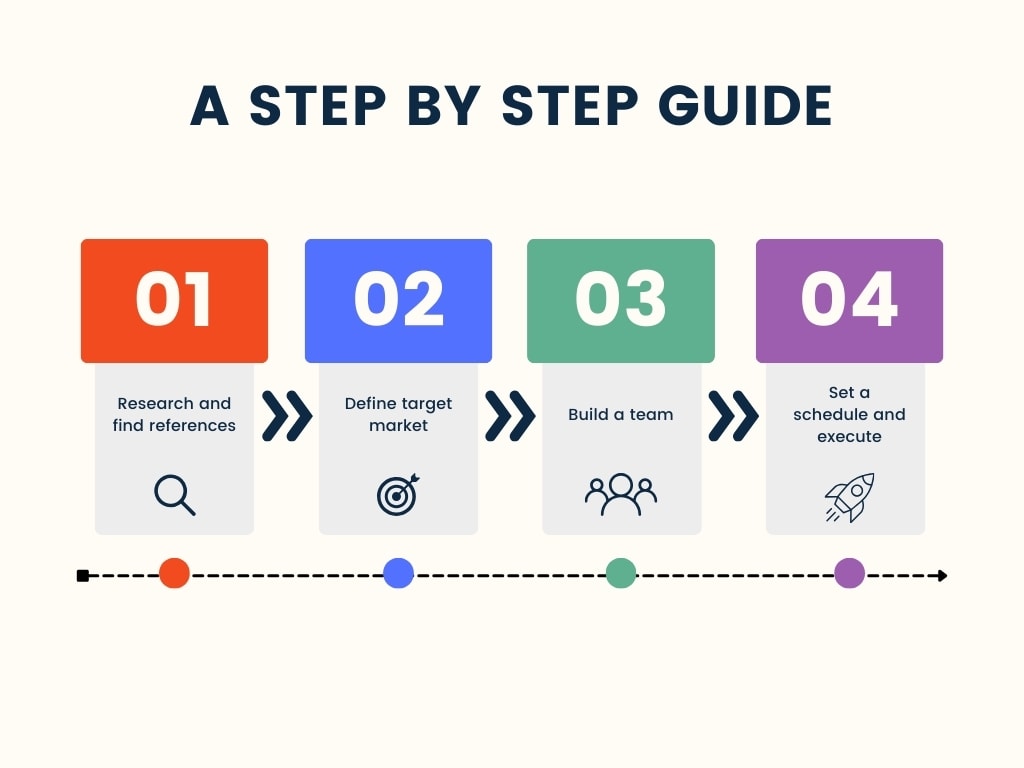
# From Idea to Publication: A Step-by-Step Guide for New Authors
Entering this journey, from the idea to publication, may be exhilarating and sometimes overwhelming for new authors. This journey involves creativity, planning, and a lot of learning and perseverance. Whatever your aspiration may be, to write a novel, memoir, or nonfiction, this guide takes you through the vital steps involved in building up your ideas into a tangible published work.
## 1. Cultivate Your Idea
Every book starts with an idea, but not all ideas are created equal. Give yourself some time to brainstorm and work out an idea. Ask yourself:
What is the central idea or theme?
- Who is your target audience?
- What makes your idea unique?
Try using a journal: keeping notes about your thoughts, plot points, character, and snippets of dialogue may help you flesh out the idea a little better and assure you that you're going to be excited writing it.
## 2. Outline Your Work
When you have an assured idea, the next thing you do is outline it. This shall be your roadmap during writing and a way of keeping your ideas in order. Depending on your style of writing, this could be detailed or less inflexible. Here are some common approaches:
- **Chapter by Chapter**: Distinguish your book with chapter headings and jot down important events and ideas.
Three-act structure: In fiction, this may be the classic setup, confrontation, resolution setup.
Mind Mapping: Use a pictorial diagram to generate ideas and explore relationships.
Outlining prevents writer's block and makes sure that your narrative doesn't veer off track.
3. Establish a Writing Routine
Writing a book is a matter of consistency. First, you set a writing schedule for yourself, something realistic with your lifestyle. Take one hour a day and a weekend or two a month; whatever you want, but get it right. Following are some tips to help you sustain the momentum of your writing project:
- **Set Goals:** Set achievable targets like word count or completing chapters per session.
**Avoid Distractions:** Change to a quiet area where you can focus on writing.
- Utilize Tools: Take advantage of writing software, such as Scrivener or Google Docs, to keep your work organized.
## 4. Write the First Draft
After the outline and schedule are prepared, start working on your first draft. Remember, the goal here is to get your ideas on paper; perfectionism can wait. Let your creativity flow without overly editing yourself in this creative work. Here are a few strategies to consider:
- **Write Freely:** Let your thoughts spill out without overthinking.
- **Embrace Imperfection:** The first draft is just that—a draft. You’ll have plenty of time to revise later.
**Stay Inspired:** Continue that initial excitement through reading books in your genre or joining a writing community.
## 5. Revise and Edit
Once you have written a first draft, set it aside for a few days before you begin to revise. You'll see your work more objectively if you can approach it with fresh eyes. Begin your editing
Content Editing: Overall structure, development of characters, and plot holes. Your ideas should logically flow.
- **Line Editing:** Go into the language, the sentences, the words, clarity. Give way to your voice.
- **Proofreading:** It involves checking grammatical errors, typos, and punctuation marks.
Consider seeking feedback from trusted peers or hiring a professional editor. Constructive criticism can be invaluable in refining your work.
## 6. Choose Your Publishing Route
Once your manuscript is polished, you’ll need to decide how to publish your book. There are primarily two paths:
Traditional Publishing: This method includes sending in a manuscript to agents and publishers. Research agents representing your genre carefully and follow their submission guidelines for sending works. Be prepared for possible rejections, as it is common in the process of traditional publishing.
Self-publishing: If you want complete control over your work, you may consider self-publishing. With Amazon KDP or IngramSpark, for example, the publishing of a book is quite straightforward in both digital and print formats. This outlet gives flexibility but requires you to also handle marketing and distribution.
## 7. Plan Marketing
Whatever your publishing decision, the key to the success of your book is marketing. Early development of your author platform by:
- **Website Building:** Showcase your writing, publish your journey, and call out for readers. - Social Media: Utilize social media on Twitter, Instagram, and Facebook to engage with readers. - **Email List Building:** Provide a newsletter sign-up to keep them updated with your progress, with bonus content. Devise a marketing strategy encompassing book launches, blog tours, and signing events to help get your work noticed. ## 8. Celebrate Your Accomplishment And when your book is finally published, take the time to celebrate all your hard work and accomplishment! Writing a book doesn't come easy to everyone, so it is time to acknowledge the dedication and creativity that brought you that far. Organize a launch party in your honor, buy yourself something special, reflect on the way to your writer dream. ## Conclusion From concept to print, it's a path riddled with struggles and victories, but an attainable one if properly ideated and with an intentional clear vision. Along the way, be fluid and open to learning at every turn. It is in each of these steps-nurturing your idea from its inception to celebrating your work-where the development of you as a writer lies. Take the time to enjoy the process, and let your love for telling the story carry you through to the success you desire. Happy writing!
About the Creator
Antor Ahmed
I am a Professional Writer.
Keep reading
More stories from Antor Ahmed and writers in Art and other communities.
Mental Health Matters: Breaking the Stigma in the Workplace
# Mental Health Matters: Breaking the Stigma in the Workplace In recent years, mental health awareness has greatly improved; however, at the same time, the stigma in mental health issues remains one of the major barriers, especially in the workplace. This can have severely negative implications not only for individual employees but also on overall organizational culture and productivity. This requires addressing and breaking this stigma to create a healthy work environment where employees feel free and supported.
By Antor Ahmedabout a year ago in Art




Comments
There are no comments for this story
Be the first to respond and start the conversation.