
"From Canvas to Digital: How Technology is Shaping Modern Art"
"Exploring the Intersection of Creativity and Innovation in the Digital Age"
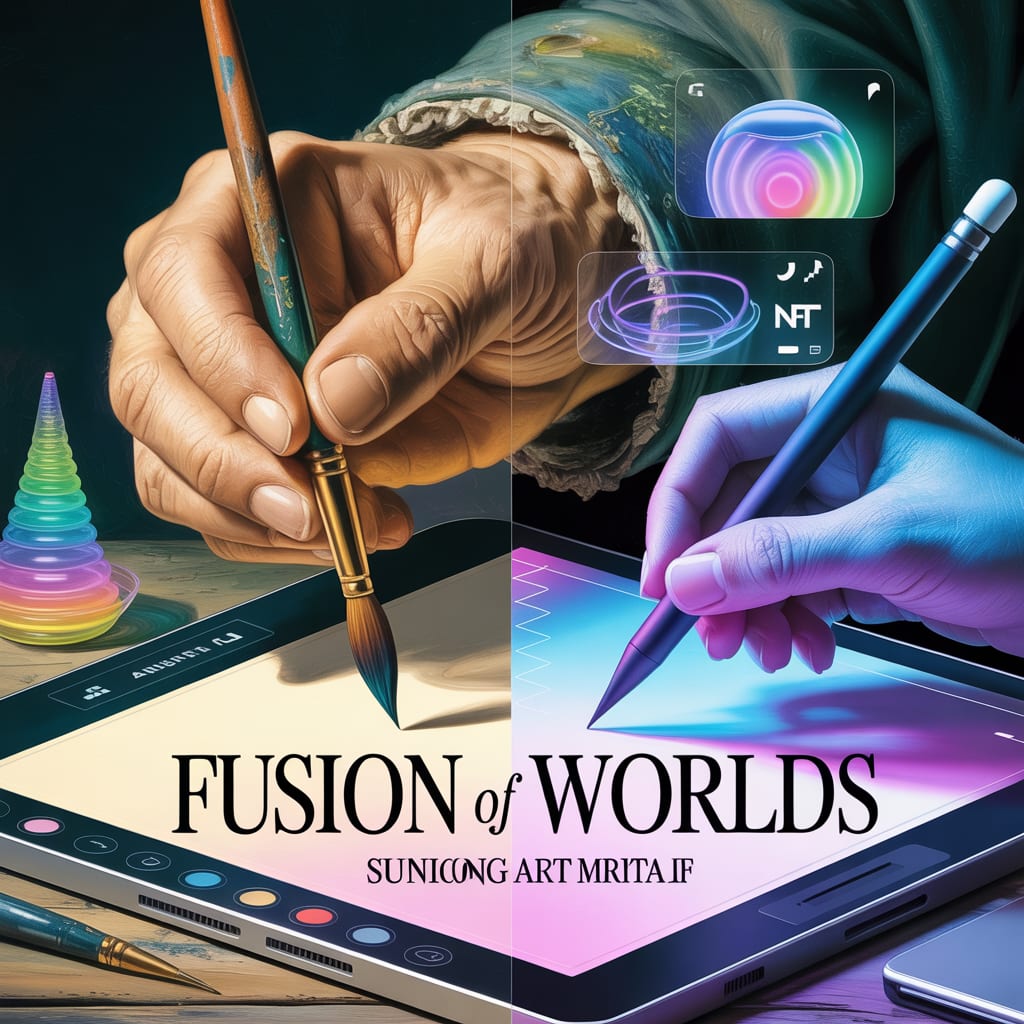
Art has always evolved alongside human civilization. From the cave paintings of early humans to the intricate oil works of the Renaissance, each era’s innovations have shaped the way artists create and audiences experience art. In the 21st century, technology has emerged as a transformative force, redefining the boundaries of artistic expression. From digital canvases to AI-generated pieces, modern art is undergoing a revolution — one that blends creativity with code.
The Digital Canvas
The rise of digital art tools has expanded the artist’s toolkit beyond traditional brushes and paint. Software such as Adobe Photoshop, Corel Painter, and Procreate allow artists to experiment with textures, layers, and effects that would be difficult or impossible with physical media. Tablets and styluses provide the tactile experience of drawing while adding the flexibility of undo buttons and infinite canvases.
Artists no longer need to rent studio spaces or purchase expensive supplies; a laptop and stylus can now serve as a full-fledged art studio. This democratization has opened the doors to aspiring creators around the world, allowing talent to flourish regardless of geographic or economic barriers.
Artificial Intelligence as the New Collaborator
One of the most exciting — and controversial — developments in modern art is the use of artificial intelligence (AI). Tools like DALL·E, Midjourney, and DeepArt use algorithms to generate visual works based on prompts or existing images. Some artists view AI as a collaborator, using it to enhance their creative vision or explore new styles.
Critics argue that AI-generated art lacks the human touch — the emotional nuance and lived experience that traditional artists bring to their work. However, others contend that AI is simply another tool, like a camera or a paintbrush. What matters, they say, is the intention and interpretation behind the piece.
Virtual and Augmented Realities
Virtual reality (VR) and augmented reality (AR) are pushing the limits of how art is experienced. In VR galleries, viewers can “walk” through exhibitions from their living rooms, experiencing art in immersive, interactive environments. Artists can create entire virtual worlds, manipulating space and perception in ways that were previously unimaginable.
Meanwhile, AR allows for art to be superimposed onto the real world via smartphones or smart glasses. Murals can come to life with animation, and sculptures can be interacted with digitally. These technologies make art more engaging and accessible, inviting audiences to participate rather than passively observe.
The NFT Boom and Digital Ownership
Blockchain technology has introduced the concept of non-fungible tokens (NFTs), which verify the ownership and authenticity of digital artworks. This has sparked a new market for digital art, where pieces can sell for millions of dollars. While the NFT trend has faced criticism for its environmental impact and speculative nature, it has undeniably changed how digital art is valued and sold.
For artists, NFTs offer a way to monetize their work directly and receive royalties from secondary sales. It also provides a means of provenance in the digital space, where duplication is effortless and widespread.
Challenges and Ethical Considerations
While technology opens new doors, it also presents challenges. The ease of copying and distributing digital art raises questions about intellectual property and fair compensation. The use of AI in art creation can blur the line between original and derivative work. Moreover, the rapid pace of change makes it difficult for institutions and educators to keep up.
There is also a cultural debate around what constitutes “real” art. Traditionalists may dismiss digital works as lacking craftsmanship or depth, while digital artists argue that creativity is not confined to a specific medium.
Conclusion
Technology is not replacing traditional art; it is expanding it. Just as the camera changed painting but did not eliminate it, digital tools are offering artists new ways to express themselves and reach audiences. The essence of art — to inspire, challenge, and communicate — remains unchanged, even as the medium evolves.
In the ever-shifting landscape of modern art, one thing is clear: the fusion of technology and creativity is not a passing trend, but the new canvas of our time.
About the Creator
'Till Death We Do Art
There would be nothing divine in this world without art. Nature may surpass the divine to all intents and purposes, but like everything it absorbs and is absorbed by, it remains here, stuck on the surface of this world, ever-present, physically bound to the universe.
By Avocado Nunzella BSc (Psych) -- M.A.P 23 days ago in Art
Genesis Code (2025) Review: Andreas Szakacs Explores AI and Human Consciousness
In an age where artificial intelligence is evolving faster than ever, cinema has begun reflecting humanity’s growing curiosity—and concern—about technology. Genesis Code (2025) is one such film that dives into this modern dilemma. Directed by filmmaker Andreas Szakacs, the movie presents an experimental narrative that explores the intersection of artificial intelligence, digital identity, and human consciousness.
By Andreas Szakacs7 days ago in Art
📢 Raise Your Voice Thread: 03/05/2026
Our “Raise Your Voice Threads” are hosted most alternating Thursdays at 12PM ET to offer creators more avenues to uncover exceptional stories on Vocal. As we are continuously searching for fresh creators and inspiring stories, this thread provides an opportunity to exchange and discuss the stories that have moved and motivated us on Vocal.
By Raise Your Voice by Vocal7 days ago in Resources

Comments
There are no comments for this story
Be the first to respond and start the conversation.