
Fine Art Sculpture – The Timeless Beauty of Artistic Expression in Three Dimensions
From ancient statues to contemporary masterpieces, fine art sculpture has been a powerful medium for human expression throughout history.
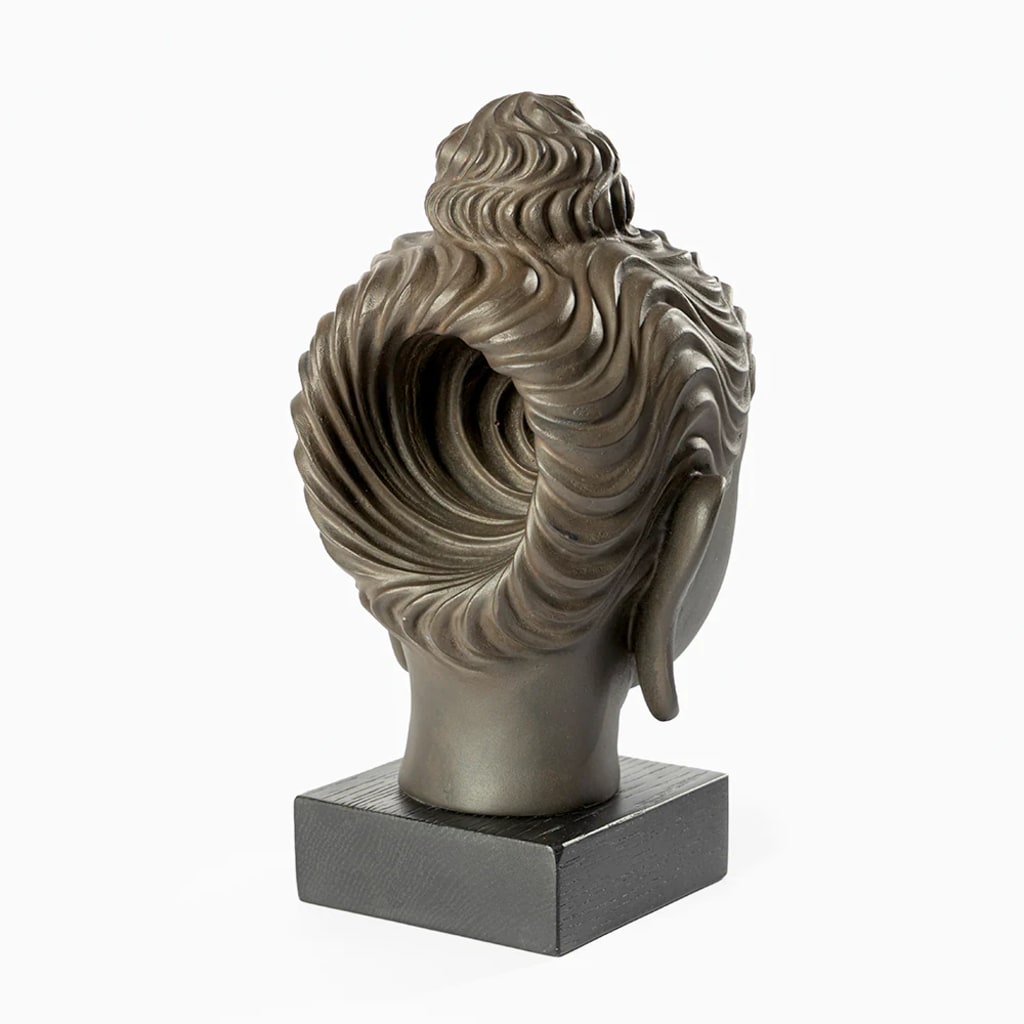
From ancient statues to contemporary masterpieces, Fine Art Sculpture has been a powerful medium for human expression throughout history. Unlike paintings or drawings, sculpture brings art into the third dimension, allowing viewers to engage with form, space, and texture in a tangible way. These three-dimensional artworks are not just visual experiences—they invite touch, movement, and emotion, making them a vital component of the art world.
What Is Fine Art Sculpture?
Fine art sculpture refers to the creation of three-dimensional works of art designed for aesthetic or conceptual purposes rather than functional use. These sculptures may be representational—depicting figures, animals, or scenes—or abstract, emphasizing shapes, forms, and emotional depth.
Fine art sculptures are created using a wide variety of materials such as:
Marble
Bronze
Clay
Wood
Glass
Stone
Modern materials like resin, steel, and mixed media
A Brief History of Fine Art Sculpture
Sculpture is one of the oldest forms of artistic expression:
Ancient Times: Civilizations such as Egypt, Greece, and Rome produced iconic sculptures of gods, emperors, and mythical creatures.
Renaissance Era: Masters like Michelangelo, Donatello, and Bernini brought unprecedented realism and emotion to sculpture.
Modern Period: Artists like Auguste Rodin, Constantin Brâncuși, and Henry Moore began experimenting with abstraction and minimalism.
Contemporary Sculpture: Today, fine art sculpture incorporates diverse styles and materials, exploring themes of identity, politics, nature, and technology.
Characteristics of Fine Art Sculpture
Three-Dimensionality
Unlike flat artwork, sculpture occupies physical space and can be viewed from multiple angles.
Materiality
The choice of material often influences the meaning, durability, and aesthetic of the piece.
Technique
Common techniques include carving, modeling, casting, and assembling.
Conceptual Depth
Many sculptures go beyond beauty, provoking thought and exploring complex ideas.
Interactivity
Some sculptures encourage physical interaction or are designed to change based on light, movement, or environment.
Types of Fine Art Sculpture
Figurative Sculpture: Represents real-life figures with realistic detail and anatomy.
Abstract Sculpture: Uses shapes and forms to express emotion or ideas without literal representation.
Kinetic Sculpture: Incorporates movement, often powered by motors, air, or viewer interaction.
Environmental Sculpture: Large-scale works integrated into outdoor landscapes or architectural settings.
Installation Art: Immersive sculptural experiences that often include sound, light, or multimedia elements.
The Role of Sculpture in Contemporary Art and Design
In modern times, fine art sculpture is found not just in museums and galleries but also in:
Public Spaces: Parks, city centers, and universities often feature outdoor sculptures that contribute to cultural identity.
Corporate Environments: Sculptures in offices and lobbies create a sophisticated, inspiring atmosphere.
Home Interiors: Collectors and enthusiasts use sculpture to personalize and elevate their living spaces.
Collecting Fine Art Sculpture
For collectors, owning a fine art sculpture is both a personal and cultural investment. When choosing a piece:
Consider the artist's reputation and body of work.
Ensure the piece fits the space and complements existing décor.
Look for authenticity certificates and provenance records.
Invest in proper lighting and display to highlight the sculpture’s form and texture.
Conclusion
Fine art sculpture is a celebration of human creativity that transcends time, culture, and medium. Whether carved from stone, cast in bronze, or assembled from mixed materials, each piece tells a story and engages viewers in a uniquely physical and emotional way. For artists, collectors, and admirers alike, sculpture remains one of the most profound and enduring forms of artistic expression.
About the Creator
Keep reading
More stories from Studio Renaissance and writers in Art and other communities.
Shiv Murti Statue: A Symbol of Devotion and Spiritual Grandeur
The Shiv Murti (Shiva Statue) is more than just a sculpture—it's a powerful emblem of faith, culture, and divine strength. Depicting Lord Shiva, one of the principal deities in Hinduism, Shiv Murti Statues can be found across temples, spiritual sites, and even home altars, offering a visual connection to the Supreme Destroyer and Transformer in the Hindu trinity.
By Studio Renaissance10 months ago in Art
A Matter of Coincidence
Tuesday, 3 September 2024 Ayesha Fareed Ahmed, Mirpur Khas Sheeda was a simple and innocent man. One day, he was going to his wife’s village to bring her back. On the way, he saw some donkeys grazing on grass at a certain place. Eventually, he reached his in-laws’ house. His wife’s brother asked him to sit in the guest room.
By Sudais Zakwan2 days ago in Art
What Fine Line Tattoo Excellence Looks Like in Professional Practice
When you sit in the chair of one of the best fine line tattoo artists, you feel it straight away. The calm, the care, the way they handle your skin and your nerves at the same time. Fine line work looks light and effortless from the outside, but real excellence is anything but casual.
By Tools of Trade Studios7 days ago in Art
The Devil's Cut
“Comrade, finally you’re awake.” The voice was smooth, sensual. A flickering incandescent bar was all that lit the white, sterile room. All Vladimir remembered was everything going black. He tried to move his arms and found them strapped to the gurney.
By Matthew J. Fromm6 days ago in Fiction




Comments (1)
Hello, just wanna let you know that according to Vocal's Community Guidelines, we have to choose the AI-Generated tag before publishing when we use AI 😊