
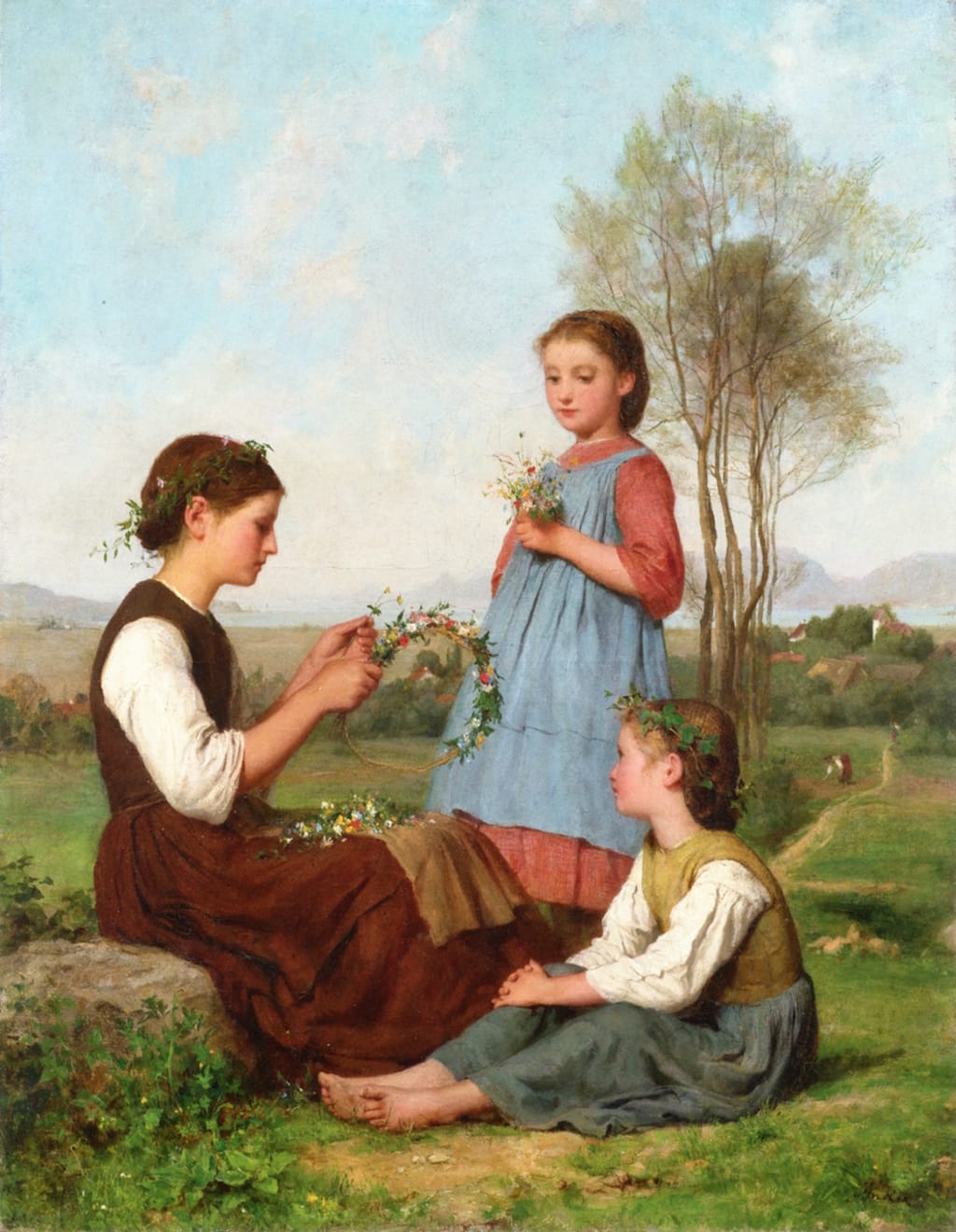
Swiss artist and illustrator Albert Anker became the “national painter” of Switzerland for his endearing depictions of life in a Swiss village in the 19th century. He took drawing lessons with painter Louis Wallinger and later attended the Gymnasium Kirchenfeld in Bern. At the University of Halle in Germany, the artist was inspired by art collections and decided to pursue a career in art. In Paris, he attended the Ecole des Beaux-Arts. His artworks include a series of pieces with Biblical and historical themes.
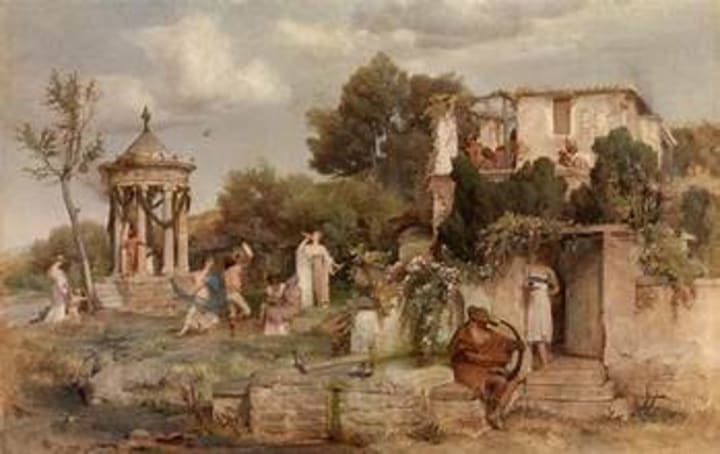
Swiss artist Arnold Bocklin studied at the Dusseldorf School of Painting under German landscape artist Johann Wilhelm Schirmer. Recognizing his talent. Schirmer sent Böcklin to Belgium to copy the artworks of Flemish and Dutch masters. In Paris, he worked at the Louvre painting landscapes. After time in the army, he went to Rome and was influenced by allegorical and mythological figures. Among his most notable paintings is A Roman Wine Tavern.
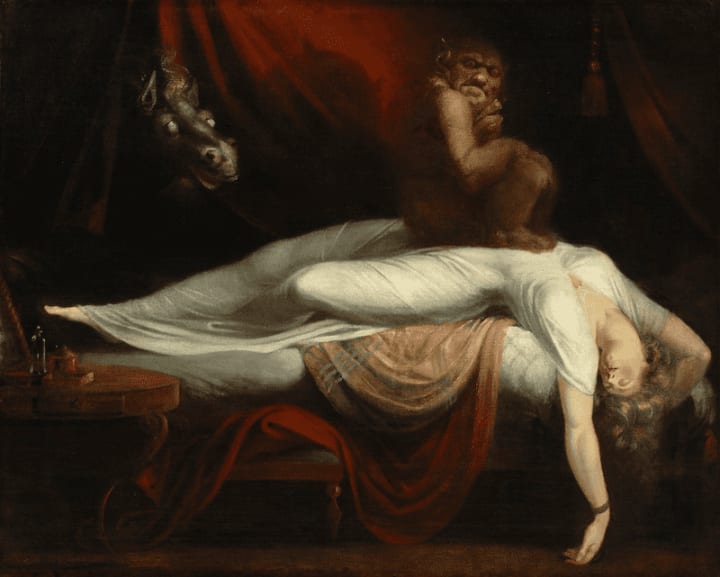
Swiss artist, draftsman, and art writer Henry Fuseli spent most of his life in Britain. He became the leading artist of the Romantic movement and created such impressionable artworks as his painting Nightmare, depicting the darker side of the human mind. The artist drew inspiration from literary sources such as Shakespeare, Milton, and Dante.
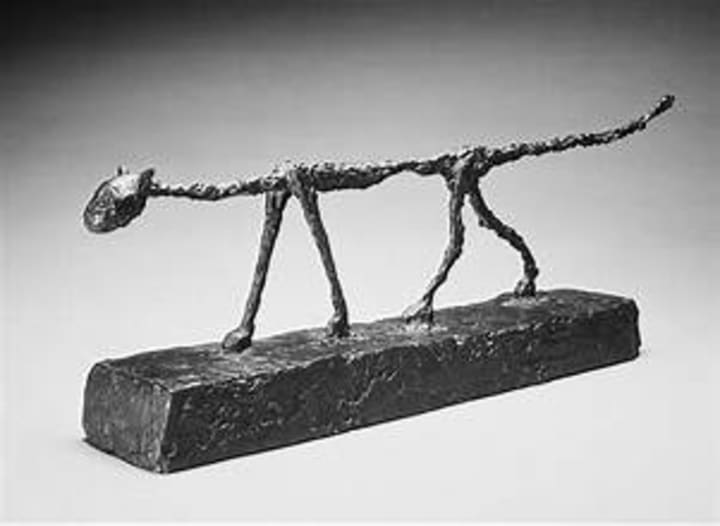
Swiss artist and sculptor Alberto Giacometti lived and worked in Paris, France, beginning in 1922. His main art form was sculpting, and he became one of the most notable sculptors of the 20th century. He was influenced by the surrealism and cubism art styles.
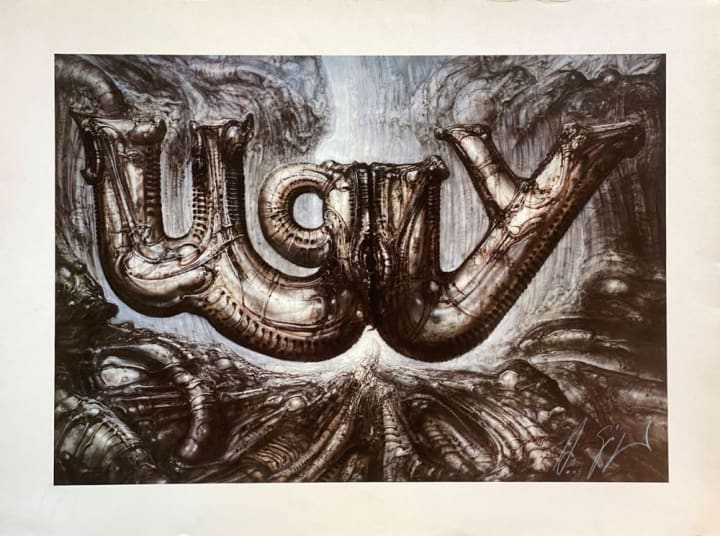
Swiss artist H. R. Giger attended the School of Applied Arts in Zurich to study architecture and industrial design. He developed a technique known as “biomechanical” involving airbrushing images of humans intertwined with machines. The artist was known for working on a special effects team for the 1979 film “Alien.” The team won an Academy Award for their work. Later Giger changed styles and worked with ink, pastels, and markers. The artist’s contributions to the world of art include artwork on several posters, music albums, books of paintings, and art published in Omni magazine. Giger acquired the Saint-Germain Castle in Gruyères, Switzerland, which is today home to the H. R. Giger Museum.
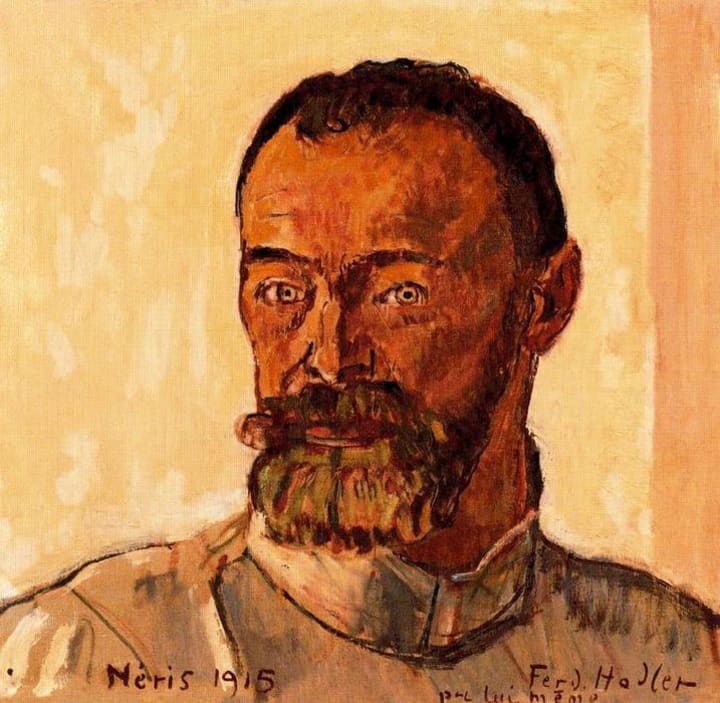
Swiss artist Ferdinand Hodler was one of the most popular Swiss painters during the 19th century. He created portraits and landscapes in a realistic style. The artist created a personal form of symbolism known as “parallelism.” After the death of his mother from TB, Hodler was sent to Thun to work as an apprentice for a local painter. There he learned to pain Alpine landscapes. At the age of 18 he walked to Geneva to take up his painting career. Among his best-known works of art is Self-Portrait, The Angry One.
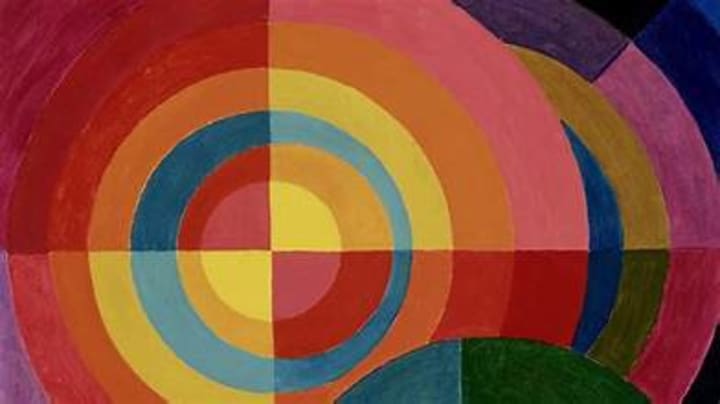
Swiss artist Johannes Itten was a Swiss expressionist painter, designer, teacher, and writer. He is best known for his seven color theories: contrasts of hue, value, temperature, elements, contrasts by complements, simultaneous contrast, contrast by saturation, and contrast by extension. He attended the Ecole des Beaux-Arts in Geneva. His color studies influenced the world of Op Art.
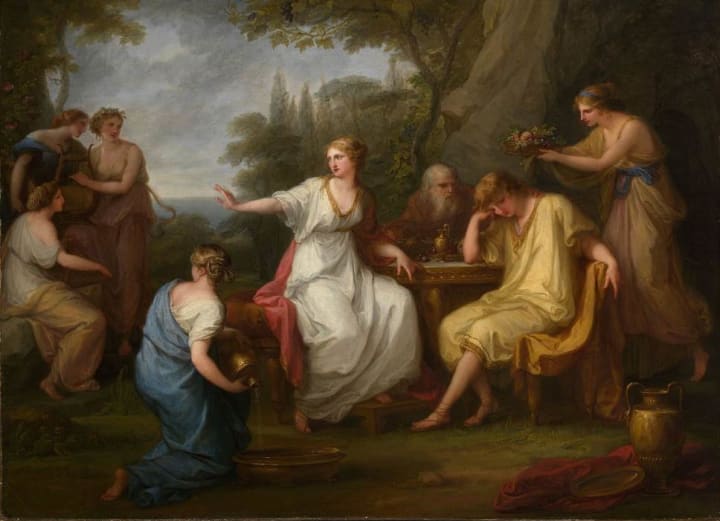
Swiss Neoclassical artist Angelica Kauffman was born in Switzerland, but her family later moved to Austria and then to Italy. In Florence, Italy, Kauffman was influenced by the Neoclassical art style. She became a popular portraitist for British travelers in Rome. Persuaded to go to London, the artist painted portraits of British society and nobility. Later she spent time in Ireland creating portraits of several Irish notables.
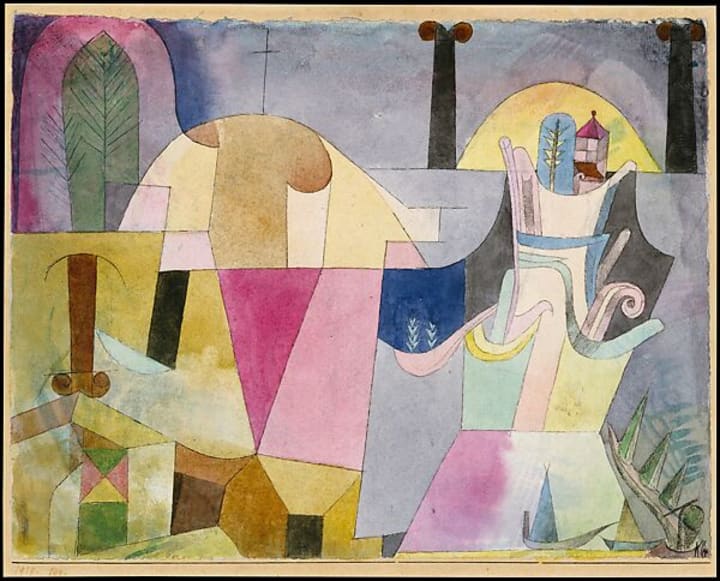
Swiss-German artist Paul Klee was known as “the father of abstract art.” His artistic style was influenced by the expressionism, cubism, and surrealism art movements. The artist was originally part of the German Expressionist group Der Blaue Reiter. Klee enjoyed experimenting with a variety of media, including watercolor, oil, and ink.He was a teacher at the German art school Staatliches Bauhaus. When he died in 1940, the artist had created 9,000 artworks.
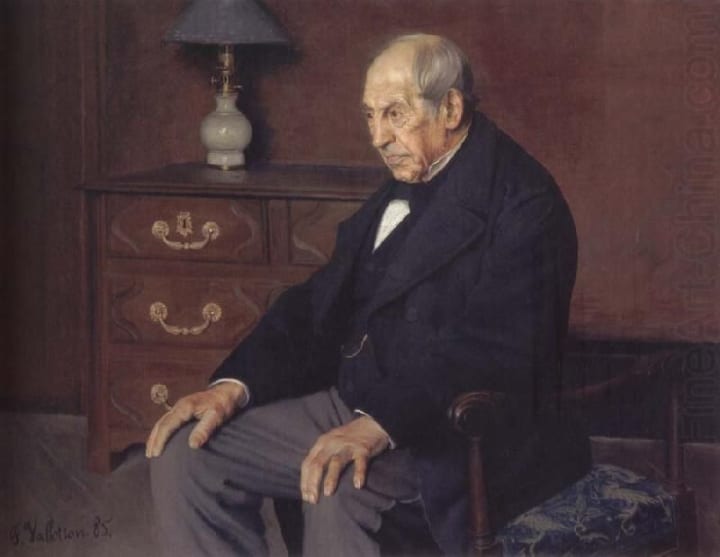
Swiss artist Felix Vallotton moved to Paris to take up his artistic career. He studied at the Académie Julian and studied the works of art at the Louvre. Among his most notable paintings is the Ingresque Portrait of Monsieur Ursenbach. The artist was also a writer, and after he died in 1925, his novel “La Vie Meurtrière” (The Murderous Life) was published posthumously.
About the Creator
Rasma Raisters
My passions are writing and creating poetry. I write for several sites online and have four themed blogs on Wordpress. Please follow me on Twitter.
Keep reading
More stories from Rasma Raisters and writers in Art and other communities.
Famous Austrian Artists
Austrian artist Friedrich von Amerling was one of the most important Austrian painters. He attended the Academy of Fine Arts Vienna. He was inspired by portrait painter Sir Thomas Lawrence and became renowned for his portraits of the aristocracy and courtly life. Among his best-known artworks is Lost in Dreams, featuring a young girl lost in her thoughts, which demonstrates the artist’s ability to capture the subject’s emotions and inner world.
By Rasma Raisters7 months ago in Art
'Till Death We Do Art
There would be nothing divine in this world without art. Nature may surpass the divine to all intents and purposes, but like everything it absorbs and is absorbed by, it remains here, stuck on the surface of this world, ever-present, physically bound to the universe.
By Avocado Nunzella BSc (Psych) -- M.A.P 25 days ago in Art
The Rise of Decentralized Social Media and What It Means for Content Creators
For most of the past two decades, a small number of centralized platforms have dominated the social media landscape. Companies like Facebook, Instagram, X (formerly Twitter), and TikTok built massive ecosystems that attracted billions of users, but they did so under a model where the platform holds ultimate control over content, data, and revenue distribution. Creators who poured time and energy into building audiences on these platforms often found themselves at the mercy of opaque algorithms, sudden policy changes, and revenue-sharing structures that heavily favored the platform itself.
By Chaturbateme3 days ago in Art
Thief In The Night
To the thief in the night that took and replicated what once was mine: Honestly, I feel kind of bad for you. It’s funny, because we hardly know each other. I only know of you through the magazines you’ve written and the broadcasts you have televised in the past — as well as through the public mentions of you from your show business connections there.
By Snarky Lisa6 days ago in Humans



Comments
There are no comments for this story
Be the first to respond and start the conversation.