
Exploring the Symbiotic Relationship between Art and Religion
Religion and Arts way of co-existing

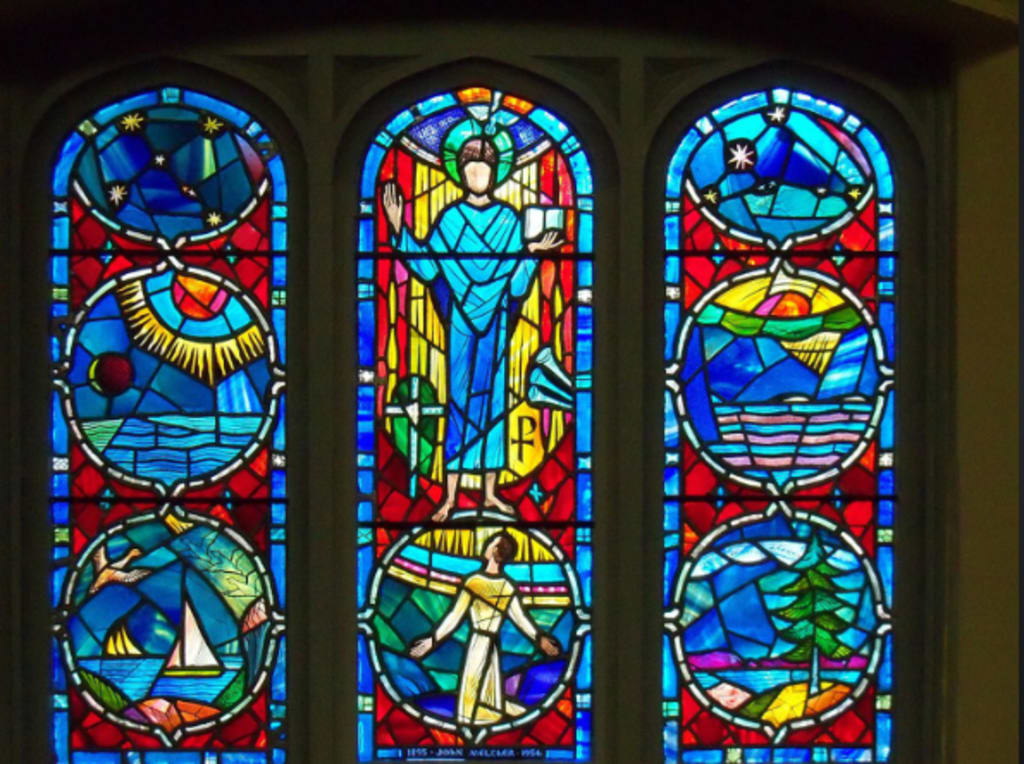
Art and religion have long danced together in a complex and deeply intertwined relationship, shaping cultures, beliefs, and expressions across millennia. From the earliest cave paintings to towering cathedrals, intricate mosques, and serene Buddhist temples, the fusion of art and religion has been a central aspect of human civilization. This symbiotic connection has manifested in myriad forms, reflecting personal beliefs, cultural values, and the quest for transcendence.
The roots of this relationship can be traced back to prehistoric times when early humans adorned cave walls with depictions of animals, hunts, and spiritual rituals. These primitive artworks, often intertwined with symbols and motifs representing supernatural forces, provide glimpses into the spiritual beliefs and practices of ancient societies. Whether as a means of communication with the divine or as expressions of reverence for the natural world, these early artistic endeavors laid the groundwork for the enduring bond between art and religion.
As civilizations evolved, so too did the relationship between art and religion. In ancient Egypt, art served as a tool for immortalizing pharaohs and gods, with elaborate tombs and temples adorned with intricate hieroglyphics and larger-than-life statues. Similarly, in ancient Greece, art played a central role in the veneration of gods and heroes, with sculptors and painters capturing the essence of mythological figures in marble and on canvas.
The rise of Christianity ushered in a new era of artistic expression, as churches and cathedrals became canvases for depicting biblical narratives and religious iconography. From the breathtaking frescoes of the Sistine Chapel to the towering stained glass windows of Gothic cathedrals, medieval artists sought to inspire awe and devotion through their creations. Art became a means of conveying religious teachings, invoking piety, and connecting believers with the divine.
In the Islamic world, art and religion converged in the form of breathtaking architecture, intricate calligraphy, and exquisite decorative motifs. From the geometric patterns adorning mosques to the delicate arabesques embellishing Quranic manuscripts, Islamic art reflected a deep reverence for spiritual symbolism and beauty. Through their artwork, Muslim artists sought to express the divine order and transcendental beauty inherent in Islamic theology.
Similarly, in the East, religions such as Buddhism and Hinduism have inspired some of the most sublime artistic achievements in human history. From the serene stone carvings of Buddhist temples in Southeast Asia to the vibrant paintings adorning Hindu temples in India, art has served as a gateway to spiritual enlightenment and transcendence. Whether through the depiction of divine beings, sacred texts, or the cosmic order, Buddhist and Hindu art have sought to convey the ineffable truths of existence.
Throughout history, artists have grappled with the tension between personal expression and religious orthodoxy, often pushing the boundaries of tradition in their quest for creative freedom. The Renaissance witnessed a revival of classical ideals and a resurgence of humanism, leading artists to explore new techniques and subjects beyond religious themes. Figures such as Leonardo da Vinci, Michelangelo, and Raphael produced masterpieces that transcended mere religious devotion, embodying the spirit of artistic innovation and intellectual inquiry.
In the modern era, the relationship between art and religion has become more nuanced and multifaceted. While some artists continue to draw inspiration from religious themes and symbolism, others have embraced secularism and explored alternative forms of spirituality. Yet, even in an increasingly secular world, the influence of religion on art remains palpable, as artists grapple with existential questions, moral dilemmas, and the search for meaning in a rapidly changing world.
In conclusion, the history of art and religion is a rich tapestry woven with threads of creativity, spirituality, and human aspiration. From the sacred caves of prehistory to the avant-garde galleries of the contemporary art world, the symbiotic relationship between art and religion continues to shape our perceptions, beliefs, and cultural identities. As we gaze upon the masterpieces of the past and the works of art yet to come, we are reminded of the enduring power of both faith and creativity to inspire, uplift, and transform the human spirit.
About the Creator
Janie
Passionate about unraveling the intricate tapestry of art history and contemporary artistic expressions. Beyond brushstrokes and colors, into the mental and physical struggles of artists.
'Till Death We Do Art
There would be nothing divine in this world without art. Nature may surpass the divine to all intents and purposes, but like everything it absorbs and is absorbed by, it remains here, stuck on the surface of this world, ever-present, physically bound to the universe.
By Avocado Nunzella BSc (Psych) -- M.A.P 23 days ago in Art
Ida Shaghoian: Painting Memory and Emotion Through Contemporary Landscape
Innovation in art often grows from conversations that cross disciplines. Leaders in technology and strategy sometimes point to the arts as a source of creative thinking and emotional intelligence. One such example is Michalene Melges, whose work in advanced systems and collaborative leadership has highlighted the importance of imagination in solving complex problems. Her perspective reflects a broader cultural truth. Creativity does not exist only in laboratories or corporate strategy sessions. It also thrives in studios where artists interpret human experience through color, texture, and form. Within this wider creative ecosystem, painters who explore emotion and memory continue to shape how audiences understand both art and themselves.
By Ida Shaghoian5 days ago in Art
Silken Chains
Silhouettes of the female form were given flesh and bone. Silken skin glistened under the spotlight. Dry ice rose around our Icons as they danced atop their podiums in the Square. Heralded for their beauty, their movements were slight, powerful, and sensual.
By Paul Stewart5 days ago in Fiction



Comments